The Moluccan Goshawk: A Rare Avian Predator of the Indonesian Archipelago
The Moluccan Goshawk (Tachyspiza henicogramma) is a fascinating raptor species endemic to the Moluccan Islands in Indonesia. Known for its elusive nature and distinctive appearance, this bird of prey is a subject of interest for ornithologists and bird enthusiasts alike. This article delves into the biology, habitat, behavior, and conservation status of the Moluccan Goshawk, highlighting the significance of preserving this remarkable bird.
Taxonomy and Description
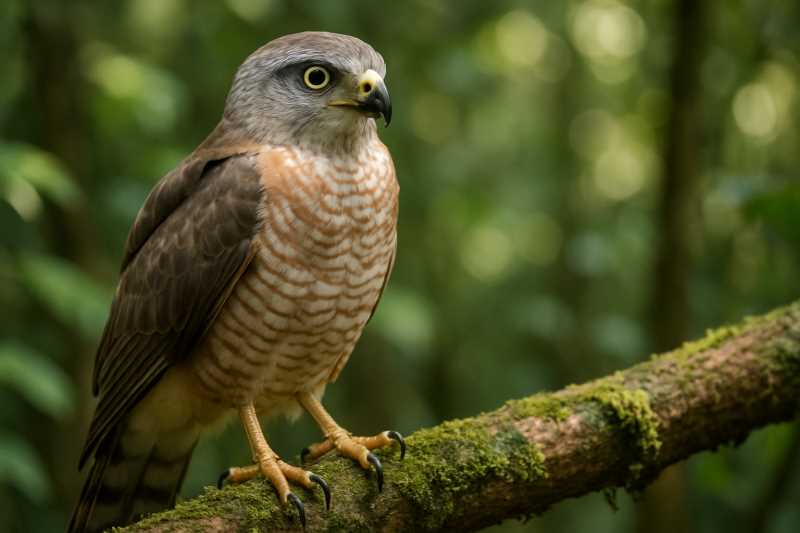
The Moluccan Goshawk belongs to the family Accipitridae, which includes other birds of prey such as eagles, hawks, and kites. Classified under the genus Tachyspiza, this species is notable for its striking plumage and agile flight. Adult Moluccan Goshawks typically exhibit a grey-brown coloration on their upperparts with a paler underside, often adorned with fine barring. Their eyes are a piercing yellow, providing a sharp contrast to their overall muted tones.
Physically, the Moluccan Goshawk is medium-sized, with a wingspan ranging from 70 to 90 cm, and a body length of approximately 40 to 50 cm. Its wings are broad and rounded, aiding in maneuverability through dense forest canopies, while its tail is long and fan-shaped, providing stability during flight.
Habitat and Distribution
The Moluccan Goshawk is exclusively found in the Moluccas, a group of islands in eastern Indonesia. These islands, known for their rich biodiversity, provide an ideal habitat for this avian predator. The goshawk primarily inhabits lowland and montane forests, where it can exploit the dense foliage for hunting and nesting.
Due to its limited range, the Moluccan Goshawk is rarely encountered, making it a prized sighting for birdwatchers visiting the region. Its presence is most strongly associated with primary forests, although it occasionally ventures into secondary growth and forest edges in search of prey.
Behavior and Diet
The Moluccan Goshawk is a solitary hunter, relying on its keen eyesight and swift flight to capture prey. Its diet mainly consists of small mammals, birds, and reptiles. The goshawk employs a sit-and-wait strategy, often perching quietly before launching a surprise attack on unsuspecting prey.
Breeding behavior of the Moluccan Goshawk is not extensively documented, but it is believed to follow the general patterns observed in other goshawk species. Nesting typically occurs high in the forest canopy, with both parents contributing to the care and feeding of the young.
Conservation Status
The Moluccan Goshawk is currently classified as Near Threatened on the IUCN Red List due to its restricted range and habitat loss. The primary threat to its survival is deforestation, driven by logging activities and agricultural expansion. The fragmentation of its forest habitat poses a significant risk to its population, which is estimated to be declining.
Conservation efforts are crucial to ensure the survival of the Moluccan Goshawk. Protecting the remaining primary forests in the Moluccas and promoting sustainable land-use practices are essential steps toward preserving this species. Additionally, raising awareness about the goshawk’s plight and promoting ecotourism can contribute to its conservation by highlighting the value of these birds and their habitat.
Conclusion
The Moluccan Goshawk is a symbol of the unique biodiversity found in Indonesia’s Moluccan Islands. Its elusive nature and specialized habitat requirements make it both a challenging and rewarding subject for study. Conservation efforts must be prioritized to ensure that future generations can appreciate the beauty and ecological role of this remarkable bird of prey. Protecting the Moluccan Goshawk and its habitat not only safeguards this species but also supports the broader health of the ecosystem in which it thrives, underscoring the interconnectedness of all life in the region.
In conclusion, the Moluccan Goshawk represents the intricate balance of life in Indonesia’s forests. Its survival hinges on our ability to preserve these natural habitats and address the threats they face. By fostering a deeper understanding and appreciation for this species, we can contribute to the global efforts to protect and conserve the incredible biodiversity that the Moluccas have to offer.
Related posts