The Antipodean Albatross: A Majestic Wanderer of the Southern Skies
The Antipodean Albatross (Diomedea antipodensis) stands as a symbol of grace and endurance among the avian species that grace the southern hemisphere’s expanses. Known for their remarkable wingspan and long-distance flying capabilities, these magnificent birds captivate both ornithologists and nature enthusiasts alike. This article delves into the life, habitat, and conservation challenges of this extraordinary species.
Taxonomy and Physical Characteristics
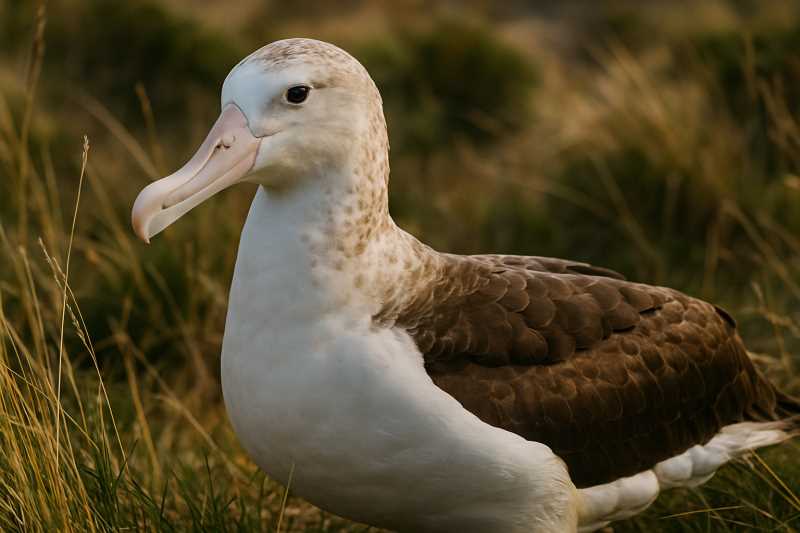
The Antipodean Albatross is a member of the Diomedeidae family, which includes some of the largest flying birds in the world. With a wingspan reaching up to 3.5 meters (approximately 11.5 feet), these albatrosses command the skies with a stately presence. Their plumage is predominantly white, with contrasting dark wings and a robust, hooked beak, which aids in their surface-skimming feeding technique.
Sexual dimorphism is evident in this species, with males typically larger than females and displaying slightly different plumage coloration. Their impressive size and striking appearance have made them a subject of fascination and study, as researchers strive to understand their behavior and ecological significance.
Habitat and Distribution
Antipodean Albatrosses are primarily found in the Southern Ocean, with breeding populations concentrated on New Zealand’s remote islands, such as Antipodes Island and Campbell Island. These isolated habitats provide a sanctuary for the birds to nest and rear their young, away from the predation pressures and human disturbances found on the mainland.
During the non-breeding season, these albatrosses embark on extensive foraging journeys, traversing vast tracts of the southern seas. Their range can extend across the Pacific Ocean, reaching as far as the coasts of South America and Australia. This extensive range highlights their adaptability to various marine environments and their reliance on the rich oceanic ecosystems for sustenance.
Feeding and Foraging Behavior
The diet of the Antipodean Albatross primarily consists of cephalopods, fish, and crustaceans. Their foraging strategy involves a combination of surface seizing and plunge diving, enabled by their keen eyesight and agility. The ability to cover large distances in search of food is crucial for their survival, as they often travel thousands of kilometers in a single foraging trip.
In recent years, satellite tracking has provided valuable insights into their foraging patterns, revealing the extensive routes they take and the environmental conditions they encounter. These studies have underscored the importance of international cooperation in managing and protecting the marine habitats that sustain them.
Reproductive Behavior
Antipodean Albatrosses are monogamous, forming long-term pair bonds that often last for life. Breeding occurs biennially, with pairs returning to their natal colonies to nest. The nesting process is a slow and meticulous endeavor, with both parents sharing the responsibilities of incubating the single egg and feeding the chick once it hatches.
The incubation period lasts approximately 11 weeks, followed by several months of chick rearing. The fledging period is critical, as the young albatross must develop the strength and skills necessary to survive its first solo journey across the ocean. Parental investment is high, with both parents diligently providing food and protection until the fledgling is ready to leave the nest.
Conservation Status and Challenges
The conservation status of the Antipodean Albatross is of significant concern. The species is classified as “Vulnerable” by the International Union for Conservation of Nature (IUCN), primarily due to threats from climate change, habitat degradation, and bycatch in fisheries.
Climate change poses a multifaceted threat, affecting both the availability of prey and the suitability of nesting sites. Rising sea levels and changing weather patterns can disrupt breeding success and reduce chick survival rates. Additionally, bycatch in longline fisheries represents a significant mortality risk, as these birds are often inadvertently caught on hooks while foraging for food.
Conservation efforts are underway to mitigate these threats, with initiatives focusing on sustainable fishing practices, habitat protection, and international agreements to safeguard migratory routes. Organizations and governments are collaborating to implement measures that reduce bycatch and protect critical breeding and foraging habitats.
Conclusion
The Antipodean Albatross is a remarkable testament to nature’s resilience and adaptability. Their majestic presence in the southern skies serves as a reminder of the intricate connections between species and ecosystems. As we continue to understand and appreciate their role in the marine environment, it is imperative to prioritize their conservation and ensure that future generations can witness the awe-inspiring sight of these magnificent birds soaring gracefully over the ocean’s vast expanse.
Protecting the Antipodean Albatross requires a concerted effort that spans nations and disciplines, emphasizing the shared responsibility we hold in preserving our planet’s biodiversity. By addressing the threats they face and fostering a deeper appreciation for their ecological importance, we can secure a future where these majestic wanderers continue to thrive.
Related posts