The Tristan Albatross: A Majestic Mariner of the Skies
The Tristan Albatross (Diomedea dabbenena) stands as one of nature’s most elegant aviators, gracing the skies with its immense wingspan and unrivaled grace. Endemic to the remote Tristan da Cunha archipelago in the South Atlantic Ocean, this awe-inspiring bird is not only a marvel of natural engineering but also a poignant symbol of the fragility of our planet’s biodiversity.
A Distinctive Profile
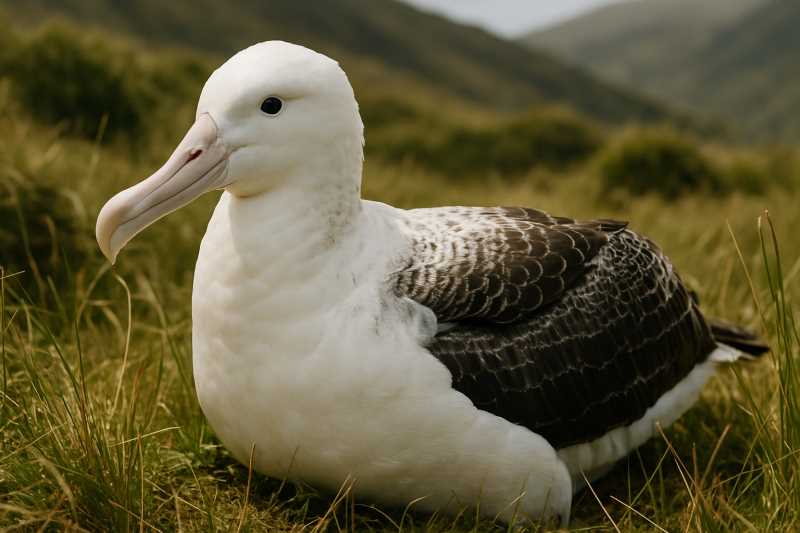
The Tristan Albatross boasts an impressive wingspan that can reach up to 3.5 meters, making it one of the largest flying birds on Earth. Its plumage is predominantly white, accented by black on the upper wings and tail, providing a striking contrast that is both elegant and commanding. The species is often mistaken for its close relative, the Wandering Albatross (Diomedea exulans), but can be distinguished by subtle differences in size and plumage pattern.
The bird’s robust, hooked beak is perfectly adapted for its piscivorous diet, allowing it to expertly snatch fish and squid from the ocean’s surface. This adaptation is crucial for survival in the harsh and often unpredictable marine environment that the Tristan Albatross calls home.
Life in the Remote Isles
Nesting primarily on Gough Island, part of the Tristan da Cunha group, the Tristan Albatross leads a life largely isolated from human interference. Gough Island itself is a UNESCO World Heritage Site, recognized for its pristine ecological conditions and unique biodiversity. The birds are monogamous, forming lifelong partnerships that are maintained over successive breeding seasons.
Breeding occurs biennially, with pairs producing a single egg that is incubated over an extended period. Both parents share the responsibility of incubation and feeding the chick once it hatches. The Tristan Albatross’s slow reproductive rate is a contributing factor to its vulnerability, as any increase in adult mortality can have significant consequences for the population’s stability.
Conservation Challenges
The Tristan Albatross is currently listed as Critically Endangered by the International Union for Conservation of Nature (IUCN). The primary threat to its survival is predation by invasive species, particularly the house mouse (Mus musculus), which was inadvertently introduced to Gough Island by human activities. These mice pose a grave threat to albatross chicks, as they attack and feed on them, leading to high mortality rates.
Efforts to mitigate this threat have been undertaken, including ambitious plans for mouse eradication. However, the logistical challenges and costs associated with such programs are significant. Conservationists are working tirelessly to implement and sustain these initiatives, recognizing the importance of preserving this iconic species.
In addition to invasive species, the Tristan Albatross faces threats from longline fishing operations. Bycatch, where birds are accidentally caught on fishing hooks, results in the deaths of many albatrosses each year. International cooperation and stricter regulations on fishing practices are vital to reducing this threat.
The Role of Global Collaboration
The conservation of the Tristan Albatross is not only a local issue but a global one, requiring cooperation across nations and disciplines. Organizations such as the Agreement on the Conservation of Albatrosses and Petrels (ACAP) play a crucial role in facilitating international collaboration and advocating for policies that protect these magnificent birds.
Research and monitoring are equally important, providing valuable data on population trends, breeding success, and threats. These efforts are often supported by collaborations between governmental bodies, NGOs, and academic institutions, highlighting the interdisciplinary approach needed to tackle conservation challenges.
The Importance of Public Awareness
Raising public awareness about the plight of the Tristan Albatross is essential in garnering support for conservation efforts. Education initiatives, documentaries, and eco-tourism can all contribute to a broader understanding of the species’ struggles and the importance of preserving their habitat.
By engaging the public, conservationists hope to foster a sense of stewardship and responsibility towards protecting our planet’s natural heritage. The Tristan Albatross, with its captivating beauty and ecological significance, serves as a powerful ambassador for the broader conservation movement.
Conclusion
The Tristan Albatross is a testament to the wonders of evolution and the intricate balance of marine ecosystems. However, its critically endangered status serves as a stark reminder of the impact that human activities can have on the natural world. Through concerted conservation efforts and global collaboration, there is hope that future generations will continue to witness the majesty of the Tristan Albatross soaring above the vast oceanic expanses.
Preserving this iconic species is not just about saving a bird; it is about maintaining the ecological integrity of the planet and ensuring that the rich tapestry of life continues to thrive in all its diversity.
Related posts