The Rufous-gorgeted Flycatcher: A Jewel of the Himalayas
The birding world is rich with vibrant species, each unique in its own right. Among these, the Rufous-gorgeted Flycatcher (Ficedula strophiata) stands out as a small yet captivating avian resident of the Asian highlands. With its vivid coloration and charming demeanor, this bird has long been a favorite among ornithologists and birdwatchers alike.
Habitat and Distribution
The Rufous-gorgeted Flycatcher is primarily found in the temperate forests of the Himalayas, ranging across countries like India, Nepal, Bhutan, Myanmar, and extending into parts of southeast China. These birds prefer altitudes between 1,500 to 3,500 meters, typically inhabiting broadleaf and mixed forests. During winter months, some populations may migrate to lower altitudes or even to subtropical forests to escape the harsh high-altitude conditions.
The bird’s habitat choice is indicative of its adaptability and resilience, thriving in varying conditions provided by the rich biodiversity of these regions. The temperate forests offer ample cover and food sources, making them ideal for the Rufous-gorgeted Flycatcher’s lifestyle.
Physical Description
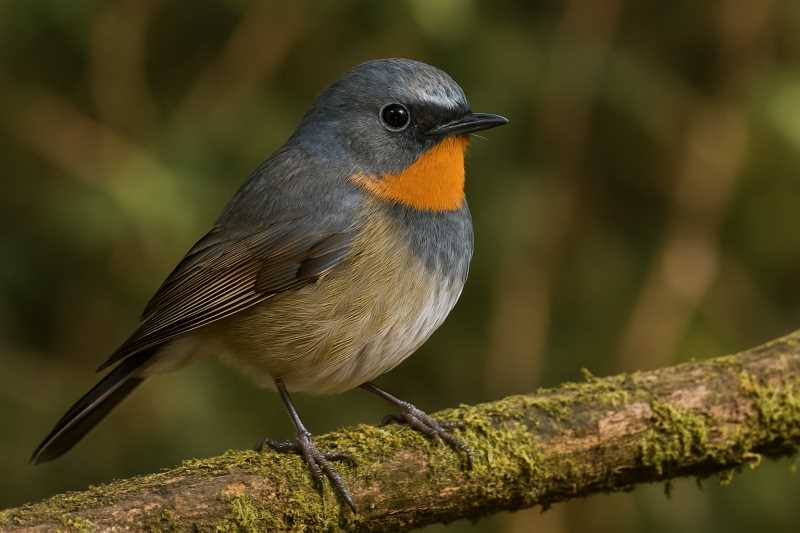
The Rufous-gorgeted Flycatcher is a small bird, measuring approximately 13 to 14 centimeters in length. Its plumage is a delightful mix of colors, with a striking rufous-colored patch on its throat, which gives the species its name. The rest of the bird’s body is mostly grayish-brown, with a lighter underbelly and a distinctive white eyebrow line that adds to its charming appearance.
Males and females exhibit similar coloring, although the males’ rufous patch tends to be more vibrant, especially during the breeding season. This dichromatic feature is believed to play a role in mating rituals, where visual cues are paramount.
Behavior and Diet
As a member of the Muscicapidae family, the Rufous-gorgeted Flycatcher is primarily insectivorous, feeding on a variety of insects and small invertebrates. The bird employs a characteristic flycatching technique, darting from perches to catch prey mid-air with remarkable agility. This hunting method is not only efficient but also a fascinating behavior to observe.
In addition to insects, these flycatchers occasionally consume berries and seeds, which supplement their diet, especially during periods when insect populations are low. This dietary flexibility is yet another testament to their adaptability.
Socially, the Rufous-gorgeted Flycatcher is a relatively solitary bird, often seen alone or in pairs. However, during the breeding season, they become more social, engaging in various courtship displays that highlight their vibrant gorget. These displays are crucial for attracting mates and establishing territories.
Breeding and Nesting
The breeding season for Rufous-gorgeted Flycatchers typically occurs from April to July, coinciding with the onset of warmer weather and increased food availability. During this time, males can be observed performing intricate displays, fluffing their feathers and showcasing their rufous throat patches to attract females.
Nesting sites are usually located in well-concealed areas, such as the lower branches of trees or shrubs, or even in crevices and holes. The female is primarily responsible for constructing the nest, which is a compact cup made of moss, grass, and leaves, lined with softer materials like feathers and hair.
A typical clutch consists of two to four eggs, which are incubated by the female for about two weeks. Once hatched, both parents partake in feeding the chicks, providing them with a steady diet of insects. Fledging occurs approximately 16 to 18 days after hatching, after which the young birds gradually gain independence.
Conservation Status
Currently, the Rufous-gorgeted Flycatcher is classified as a species of Least Concern by the IUCN Red List. While this suggests that the species is not immediately at risk, it does not imply that they are free from threats. Habitat destruction, particularly due to deforestation and human encroachment, poses a significant risk to their populations.
Conservation efforts focused on preserving their natural habitats are vital for ensuring the long-term survival of these birds. Encouraging sustainable forestry practices and protecting key areas within their range can help mitigate some of the pressures faced by these and other avian species.
Conclusion
The Rufous-gorgeted Flycatcher is a captivating species that embodies the beauty and diversity of the Himalayan birdlife. Its vivid plumage, dynamic behaviors, and adaptability make it a fascinating subject for both scientific study and casual observation. By understanding and appreciating these birds, we can better advocate for the conservation measures necessary to protect them and their habitats for future generations.
As we continue to explore and conserve the natural world, the Rufous-gorgeted Flycatcher will undoubtedly remain a cherished symbol of the intricate balance and splendor of our planet’s ecosystems.
Related posts