The Sokoke Scops Owl: A Majestic Enigma of the African Forests
In the serene and dense forests of East Africa, a diminutive yet captivating creature known as the Sokoke Scops Owl (Otus ireneae) resides. This elusive and fascinating bird, with its enigmatic presence and melodious calls, captivates ornithologists and bird enthusiasts alike. Despite its small size, the Sokoke Scops Owl plays a significant role in the ecosystem of its habitat, offering insights into the delicate balance of nature.
Habitat and Distribution
The Sokoke Scops Owl is primarily found in the lowland coastal forests of Kenya and Tanzania, with the Arabuko-Sokoke Forest being its most notable habitat. This forest, a biodiversity hotspot, serves as a critical refuge for the owl, which relies on the dense canopy and understory for protection and sustenance. The bird’s preference for such habitats underscores the importance of forest conservation efforts in preserving not only the Sokoke Scops Owl but the myriad of species that share its environment.
Physical Characteristics and Behavior
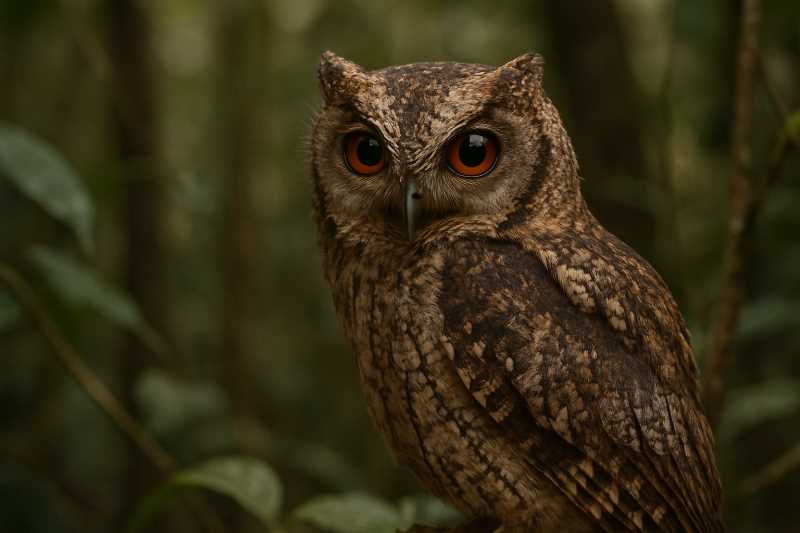
Measuring about 17-20 cm in length, the Sokoke Scops Owl is a small bird with striking features. Its plumage, which ranges from brown to grey, provides excellent camouflage against the bark of trees, a crucial adaptation for avoiding predators. The owl’s large, expressive eyes are adapted for night vision, aiding its nocturnal lifestyle.
The Sokoke Scops Owl is primarily insectivorous, feeding on a diet of insects and small invertebrates. It employs a sit-and-wait hunting strategy, perching silently before swooping down on unsuspecting prey. This hunting technique highlights the owl’s patience and precision, traits that have enabled it to thrive in its environment.
Vocalization and Communication
One of the most enchanting aspects of the Sokoke Scops Owl is its vocal repertoire. The owl’s call, a distinctive ‘po-po’ sound, is often heard at dusk and serves multiple purposes. These vocalizations are crucial for territory establishment and mate attraction. The male and female owls engage in duets, strengthening pair bonds and coordinating parenting efforts. Understanding these vocal patterns offers valuable insights into the social structure and behavior of these owls.
Conservation Status and Challenges
The Sokoke Scops Owl is currently classified as “Vulnerable” on the IUCN Red List, primarily due to habitat loss. Deforestation and human encroachment into forested areas pose significant threats to its survival. As its natural habitat diminishes, the owl faces increased competition for resources, making conservation efforts imperative.
Various organizations and local communities are actively engaged in initiatives to protect the Arabuko-Sokoke Forest and its inhabitants. Conservation strategies include habitat restoration, legal protection of forested areas, and community education programs aimed at promoting sustainable living practices. These efforts are vital not only for the Sokoke Scops Owl but for the overall health of the ecosystem.
The Role of Ecotourism
Ecotourism presents a promising avenue for the conservation of the Sokoke Scops Owl. By promoting responsible tourism, local communities can benefit economically while fostering a culture of conservation. Birdwatching tours, guided by knowledgeable locals, provide visitors with the opportunity to observe these owls in their natural habitat, raising awareness and appreciation for their plight.
Conclusion
The Sokoke Scops Owl, with its captivating presence and critical ecological role, serves as a symbol of the rich biodiversity found in the coastal forests of East Africa. Its survival is intricately linked to the health of its habitat, underscoring the need for concerted conservation efforts. As we continue to unravel the mysteries of this remarkable bird, it becomes increasingly clear that protecting the Sokoke Scops Owl is not just about saving a species, but preserving the intricate tapestry of life that it represents.
In the face of mounting environmental challenges, the story of the Sokoke Scops Owl is a poignant reminder of nature’s beauty and fragility. By safeguarding the future of this enigmatic owl, we take a step towards ensuring a sustainable and harmonious existence for all the inhabitants of our planet.
Related posts