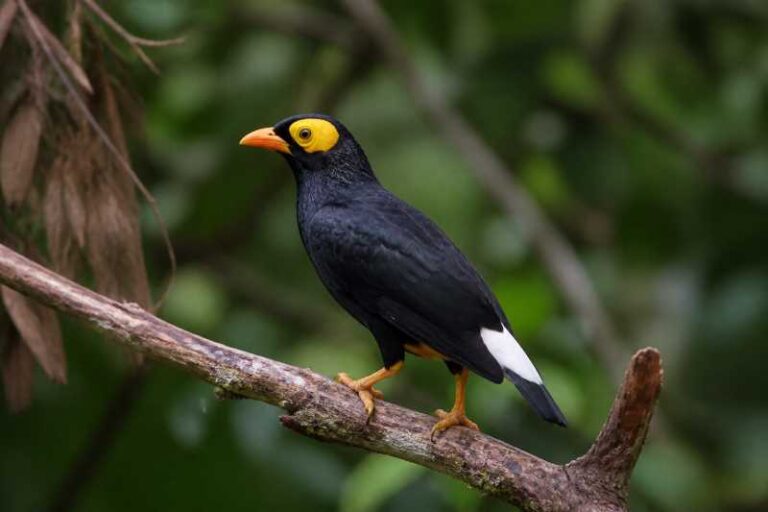
The Amazonian Pygmy Owl: A Small Wonder of the Amazon Rainforest
The Amazonian Pygmy Owl (Glaucidium hardyi) is a remarkable, albeit lesser-known, avian species that calls the vast and biodiverse Amazon rainforest its home. This petite yet fierce bird of prey is a testament to the incredible diversity of life found within one of the world’‘s most complex ecosystems. Despite its small stature, the Amazonian Pygmy Owl plays a critical role in maintaining the ecological balance of its habitat. This article delves into the fascinating life of this diminutive owl, its habitat, behavior, and the conservation efforts essential to its survival.
A Closer Look at the Amazonian Pygmy Owl
The Amazonian Pygmy Owl is a member of the Strigidae family, known for its small size and distinctive appearance. Averaging about 15 centimeters in length, this owl is characterized by its round head, prominent facial disc, and piercing yellow eyes. Its plumage is primarily brown with white spots, providing excellent camouflage amidst the dense foliage of the rainforest.
Unlike many owl species, the Amazonian Pygmy Owl is diurnal, meaning it is active during the day. This unique adaptation allows it to exploit a different ecological niche than its nocturnal counterparts. During the day, it can often be observed perched on branches, vigilantly scanning its surroundings for prey.
Habitat and Distribution
The Amazonian Pygmy Owl is native to the Amazon Basin, an area that spans across several South American countries, including Brazil, Peru, Ecuador, Colombia, and Bolivia. This region is renowned for its unparalleled biodiversity and complex ecosystems. The owl inhabits a variety of forested environments, from lowland rainforests to higher-altitude cloud forests.
These owls are typically found in areas with dense vegetation, which provides ample cover and an abundant supply of prey. Their habitat choice is closely linked to the availability of food and suitable nesting sites. Despite their adaptability, the Amazonian Pygmy Owl’‘s range is increasingly threatened by habitat destruction and deforestation, making conservation efforts more crucial than ever.
Behavior and Diet
The Amazonian Pygmy Owl is a skilled hunter, primarily feeding on insects, small mammals, and birds. Its hunting strategy involves perching silently and using its exceptional vision and hearing to detect prey. Once a target is identified, the owl launches a swift and precise attack.
These owls are known for their territorial behavior, often defending their home range fiercely against intruders. Their vocalizations, a series of high-pitched whistles, serve as both a territorial call and a means of communication with potential mates. During the breeding season, which varies slightly depending on the region, these calls become more frequent and can be heard echoing through the forest.
Reproduction and Lifespan
The breeding season of the Amazonian Pygmy Owl typically coincides with the start of the rainy season, when food is most abundant. The owls are cavity nesters, often using abandoned woodpecker holes or natural tree cavities to lay their eggs. A typical clutch consists of 2-4 eggs, which are incubated by the female while the male provides food.
Once hatched, the young owlets remain in the nest for several weeks until they are capable of flight. During this time, both parents participate in feeding and protecting the chicks. The lifespan of the Amazonian Pygmy Owl in the wild is not well-documented, but like many small owl species, it is likely to be around 5-10 years.
Conservation Status and Efforts
The Amazonian Pygmy Owl is currently listed as a species of Least Concern by the International Union for Conservation of Nature (IUCN). However, this status does not imply that the species is free from threats. Deforestation, driven by logging, agriculture, and infrastructure development, poses the greatest risk to their habitat.
Conservation efforts are vital to ensuring the survival of the Amazonian Pygmy Owl. Initiatives focused on preserving large tracts of rainforest, promoting sustainable land use practices, and raising awareness about the importance of biodiversity in the Amazon are crucial. Additionally, research and monitoring programs are essential to better understand the species’‘ ecology and adapt conservation strategies effectively.
Conclusion
The Amazonian Pygmy Owl, with its unique traits and integral role in the ecosystem, is a small yet significant component of the Amazon rainforest. Protecting this species requires a concerted effort to preserve its natural habitat and mitigate the impacts of human activity. As we continue to unravel the mysteries of the Amazon, the Amazonian Pygmy Owl serves as a reminder of the delicate balance that sustains life in one of the world’‘s most vital ecosystems.
Related posts