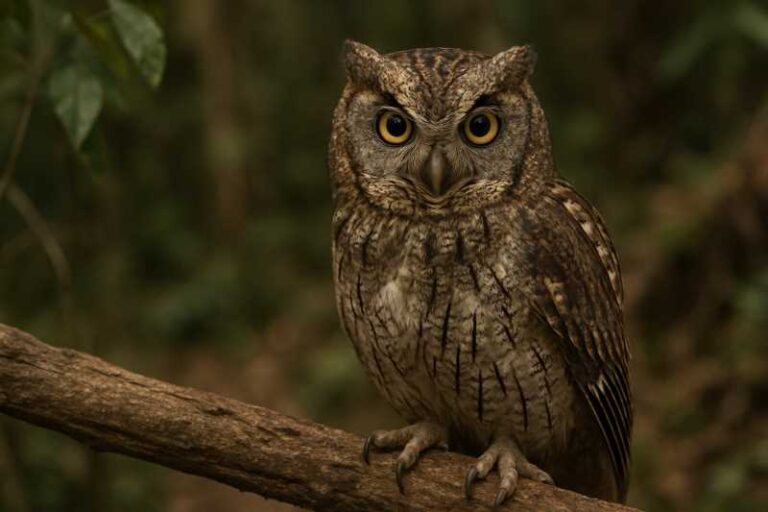
The Melanesian Megapode: Nature’s Ingenious Incubator
In the lush, verdant landscapes of Melanesia, an extraordinary bird known as the Melanesian Megapode (Megapodius eremita) flourishes. This bird, with its remarkable reproductive strategy and unique ecological niche, is a fascinating subject of study for ornithologists and nature enthusiasts alike. The Melanesian Megapode is not just an avian wonder but also an ecological engineer, contributing significantly to the ecosystems it inhabits.
Physical Characteristics and Habitat
The Melanesian Megapode is a medium-sized bird, measuring approximately 28-31 centimeters in length. It possesses a sturdy build with strong legs, well-adapted for its terrestrial lifestyle. Its plumage is predominantly a mix of browns and grays, providing excellent camouflage against the forest floor. The bird’s red facial skin and yellow legs are distinct features that set it apart from other megapodes.
This species is primarily found in the lowland and hill forests of Melanesia, which includes the Admiralty Islands, Solomon Islands, and parts of Papua New Guinea. These areas provide the perfect environment for the Melanesian Megapode, offering abundant leaf litter and rich volcanic soils for its nesting activities.
Unique Reproductive Strategy
The Melanesian Megapode’s most fascinating aspect is its reproductive strategy. Unlike most birds that incubate their eggs using body heat, the Melanesian Megapode relies on environmental heat sources. This unique adaptation is a result of the bird’s evolutionary strategy to exploit the natural geothermal activity prevalent in its habitat.
During the breeding season, which typically occurs from September to March, the Megapode constructs large nesting mounds using soil, leaf litter, and other organic material. These mounds can reach heights of up to 1.5 meters and diameters exceeding 4 meters. The bird uses its strong legs to scrape and pile up the material, creating a self-regulating incubator.
Inside the mound, the decomposition of organic material generates heat, maintaining a stable temperature ideal for egg incubation. The female Megapode lays her eggs deep within this mound, where they remain insulated and protected. This natural incubation method allows the adults to spend less time guarding the eggs and more time foraging for food.
Ecological Role and Conservation
The nesting behavior of the Melanesian Megapode plays a crucial role in the ecosystem. The construction and maintenance of nesting mounds contribute to soil turnover and nutrient recycling, enhancing soil fertility. This activity also supports a variety of plant and animal life that thrive in nutrient-rich environments.
Despite its ecological importance, the Melanesian Megapode faces several threats. Habitat destruction due to logging and agriculture, along with predation by introduced species, poses significant challenges to its survival. Conservation efforts are imperative to ensure the continued existence of this remarkable species.
Organizations and local communities are working together to implement conservation strategies, such as habitat protection and restoration projects. Public awareness campaigns are also crucial in educating local populations about the Megapode’s ecological value and the importance of preserving its habitat.
Cultural Significance
The Melanesian Megapode holds cultural significance for many indigenous communities in Melanesia. The bird is often featured in local folklore and is considered a symbol of fertility and resilience. Its unique reproductive strategy is sometimes mirrored in traditional narratives, highlighting the community’s deep connection to their natural environment.
In some regions, the eggs of the Megapode are considered a delicacy, which has led to sustainable harvesting practices being developed in collaboration with conservation efforts. These practices aim to protect the species while respecting cultural traditions.
Future Prospects
The future of the Melanesian Megapode depends on the balance between conservation efforts and sustainable development in its habitat. Continued research is essential to understanding the ecological dynamics of this species and its role in the forest ecosystems of Melanesia.
Collaborative efforts between governments, non-governmental organizations, and local communities are vital to ensure that the Melanesian Megapode thrives. By protecting its habitat and addressing the threats it faces, we can preserve not only a unique avian species but also the rich biodiversity and cultural heritage of Melanesia.
In conclusion, the Melanesian Megapode is more than just a bird; it is a testament to nature’s ingenuity and adaptability. Its survival is emblematic of the broader challenges and opportunities facing conservation efforts in the region. By fostering a deeper understanding and appreciation of this remarkable species, we can contribute to a sustainable future for both the Melanesian Megapode and the ecosystems it supports.
Related posts