The Enigmatic Brown-winged Kingfisher: A Jewel of Mangrove Ecosystems
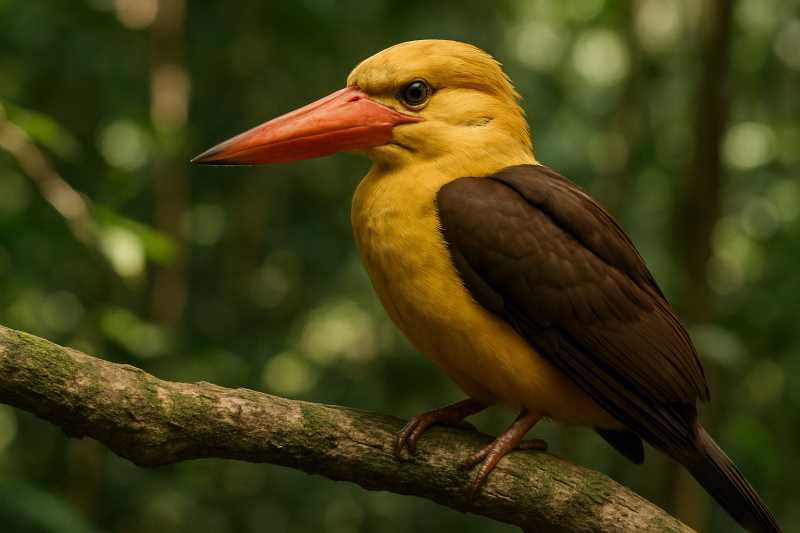
The Brown-winged Kingfisher (Pelargopsis amauroptera) is a captivating avian species that graces the mangrove forests of Southeast Asia with its vibrant plumage and elusive nature. This kingfisher, distinguished by its striking brown wings and vivid blue back, is a testament to nature’s artistry and is an integral component of its ecosystem. As we delve into the world of the Brown-winged Kingfisher, we uncover the complexities of its habitat, behavior, and conservation status.
Habitat and Distribution
The Brown-winged Kingfisher is predominantly found in the coastal regions of South and Southeast Asia, with a range extending from the eastern coast of India through Bangladesh and Myanmar, and into the western parts of Thailand. These birds are inextricably linked to mangrove ecosystems, thriving in areas where freshwater and saltwater meet. Mangroves provide an ideal habitat, offering both abundant food resources and suitable nesting sites.
The kingfisher’s preference for mangroves is not merely a matter of convenience but a crucial aspect of its survival. Mangrove forests are known for their rich biodiversity and complex ecosystems, providing the kingfisher with a steady diet of fish, crabs, and other small aquatic creatures. These coastal forests also offer vital protection from predators and human disturbances, making them an indispensable haven for the Brown-winged Kingfisher.
Physical Characteristics and Behavior
The Brown-winged Kingfisher is a medium-sized bird, measuring approximately 35 to 38 centimeters in length. Its distinctive appearance is marked by a robust bill, a bright blue back, and rich brown wings, which contrast with its white throat and underparts. The bird’s vivid colors not only serve as a visual delight but also play a role in communication and mating displays.
Kingfishers are known for their exceptional hunting skills, and the Brown-winged Kingfisher is no exception. It employs a sit-and-wait strategy, perching silently on branches overlooking water bodies, waiting patiently to spot its prey. Once a target is identified, the kingfisher dives with remarkable precision and speed, capturing its meal with its powerful bill.
In terms of vocalization, the Brown-winged Kingfisher is relatively reserved compared to other kingfisher species. Its calls are typically short and sharp, serving as a means of communication among individuals, especially during the breeding season.
Reproduction and Lifespan
The breeding season of the Brown-winged Kingfisher varies slightly across its range but generally occurs between March and June. During this time, pairs engage in elaborate courtship displays, showcasing their vibrant plumage and vocal abilities to attract mates. Nesting typically takes place in burrows excavated within riverbanks or sandy cliffs, a testament to the species’ adaptability to its environment.
A typical clutch consists of two to five eggs, with both parents sharing the responsibilities of incubation and feeding the chicks. The young fledge in approximately four weeks, but they remain dependent on their parents for several weeks thereafter, honing their hunting skills and learning to navigate their complex habitat.
Conservation Status and Threats
The International Union for Conservation of Nature (IUCN) currently lists the Brown-winged Kingfisher as Near Threatened. The primary threats facing this species are habitat destruction and degradation, particularly the loss of mangrove forests due to coastal development, aquaculture, and climate change.
Mangroves are disappearing at an alarming rate, and with them, the Brown-winged Kingfisher’s habitat is shrinking. Conservation efforts are crucial to ensure the survival of this species, focusing on protecting and restoring mangrove ecosystems. Initiatives that engage local communities in conservation activities, promote sustainable land-use practices, and bolster legal protection for critical habitats are essential in safeguarding the future of the Brown-winged Kingfisher.
The Role of the Brown-winged Kingfisher in Ecosystems
Beyond its inherent beauty, the Brown-winged Kingfisher plays a pivotal role in maintaining the health of mangrove ecosystems. As both predator and prey, it contributes to the regulation of aquatic and terrestrial populations, ensuring a balanced ecosystem. Moreover, the presence of this kingfisher serves as an indicator of environmental health, reflecting the overall condition of its habitat.
In conclusion, the Brown-winged Kingfisher is more than just an avian wonder; it is a crucial component of the intricate web of life found in mangrove forests. Protecting this species requires a concerted effort to conserve its habitat and address the challenges posed by human activities and environmental change. By valuing and safeguarding the Brown-winged Kingfisher, we contribute to the preservation of the diverse and vital ecosystems it calls home.
Related posts