The Spotted Owlet: A Comprehensive Exploration of Athene brama
The Spotted Owlet (Athene brama) is a captivating species of owl found across the Indian subcontinent. Known for its distinctive appearance and adaptive behaviors, this small owl has garnered significant attention from ornithologists and bird enthusiasts alike. This article delves into the characteristics, habitat, behavior, and conservation status of the Spotted Owlet, providing a comprehensive understanding of this fascinating bird.
Physical Characteristics
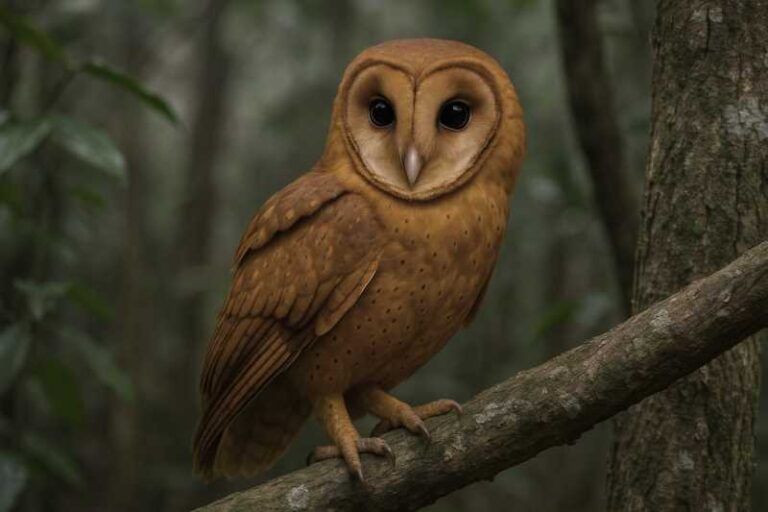
The Spotted Owlet is a small bird, measuring about 21 centimeters in length, with a wingspan ranging between 53 and 61 centimeters. Its plumage is predominantly brown with white spots scattered across its head, back, and wings, which gives the bird its common name. The facial disc is pale, and the eyes are strikingly yellow, surrounded by white eyebrows that give it an expressive appearance. The beak is short and hooked, adapted for hunting and consuming prey.
Habitat and Distribution
Spotted Owlets are highly adaptable and can thrive in a variety of environments. They are commonly found in open habitats like farmlands, savannas, and urban areas, often making their homes in tree cavities, crevices in buildings, or even human-made structures like ventilators and chimneys. Their range spans across the Indian subcontinent, including India, Pakistan, Nepal, Bangladesh, and Sri Lanka, with some populations extending to Southeast Asia.
Behavior and Diet
These owls are primarily nocturnal, although they can occasionally be seen during the day. They are known for their distinctive call—a series of harsh, raspy notes that can often be heard at dusk and dawn. Spotted Owlets are territorial birds, often seen in pairs or small groups, and they exhibit a range of vocalizations as part of their communication.
The diet of the Spotted Owlet is diverse, encompassing insects, small mammals, reptiles, and birds. They are skilled hunters, using their sharp talons and beak to catch and kill their prey. Their hunting strategy is typically to perch silently and swoop down on unsuspecting prey.
Reproduction and Lifespan
Spotted Owlets are monogamous, forming long-term pair bonds. The breeding season varies across their range but generally occurs from November to April. They nest in tree cavities or crevices, where the female lays a clutch of 3 to 5 eggs. Both parents are involved in raising the young, with the male primarily responsible for hunting and the female for incubating the eggs and caring for the chicks. The chicks fledge about four weeks after hatching, but they continue to rely on their parents for food for several weeks thereafter.
Conservation Status and Threats
The International Union for Conservation of Nature (IUCN) lists the Spotted Owlet as a species of “Least Concern,” indicating that it currently faces no significant threats to its population. However, habitat loss due to urbanization and agricultural expansion poses potential risks. Additionally, the use of pesticides in farmlands can affect their food supply and health.
Conservation efforts for the Spotted Owlet focus on habitat preservation and promoting awareness about the importance of biodiversity. Encouraging the planting of native trees and creating nesting sites can help support local populations.
Conclusion
The Spotted Owlet is a remarkable example of nature’s adaptability and resilience. Its ability to thrive in diverse environments and maintain stable populations despite human encroachment is a testament to its tenacity. As urban areas continue to expand, it is crucial to foster coexistence between humans and wildlife, ensuring that species like the Spotted Owlet continue to flourish for generations to come.
Through continued research and conservation efforts, we can better understand and protect these intriguing birds, securing their place in the natural world and enriching our own lives with their presence.
Related posts