The Northern Silvery Kingfisher: A Glimpse into the Enigmatic Jewel of the Philippines
The Northern Silvery Kingfisher, scientifically known as Ceyx flumenicola, is a mesmerizing yet elusive bird species native to the lush landscapes of the Philippines. Its vibrant plumage and distinctive features make it a subject of fascination for ornithologists and bird enthusiasts alike. This article delves into the captivating world of the Northern Silvery Kingfisher, exploring its habitat, behavior, and the conservation challenges it faces.
Habitat and Distribution
The Northern Silvery Kingfisher inhabits the riverine forests of the islands of Mindanao and Samar in the Philippines. It thrives in lowland freshwater ecosystems, particularly favoring clear, slow-moving streams and rivers with overhanging vegetation. These habitats provide the perfect environment for this species to hunt and thrive, offering an abundance of small fish and aquatic insects, which form the core of its diet.
Despite its relatively limited range, the Northern Silvery Kingfisher has adapted well to its specific ecological niche. However, the ongoing degradation of its habitat due to deforestation and human encroachment poses a significant threat to its survival.
Physical Characteristics
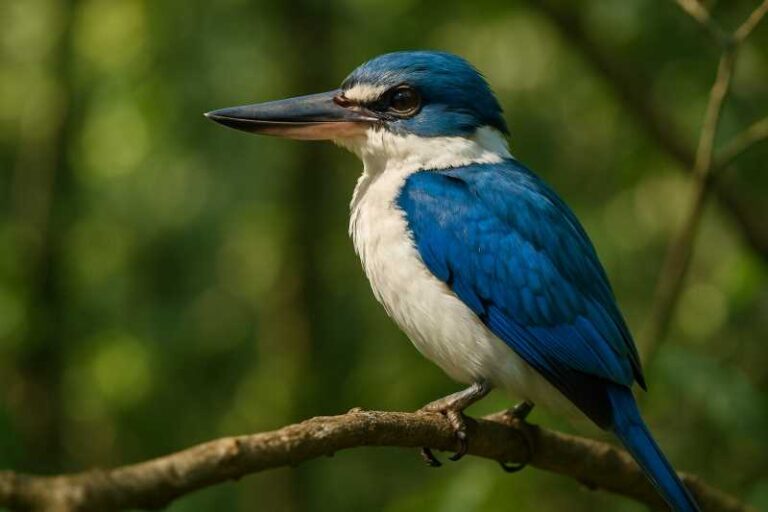
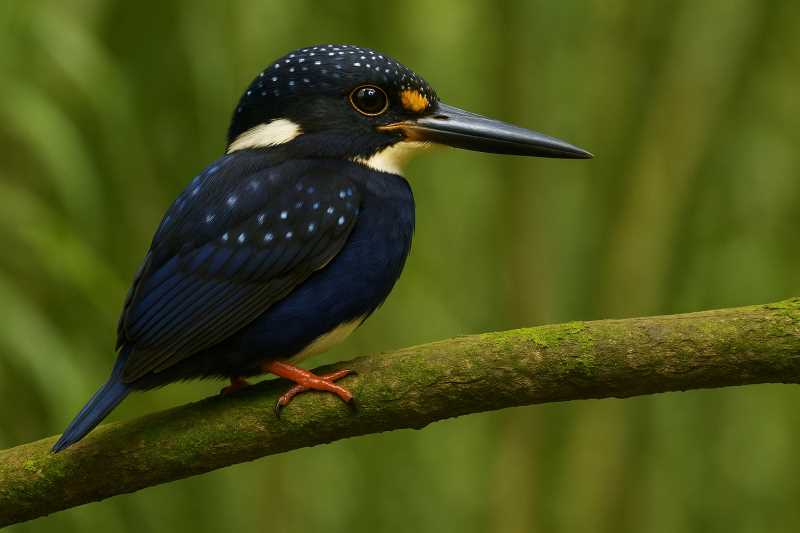
The Northern Silvery Kingfisher is renowned for its striking appearance. Measuring approximately 14 cm in length, it is a diminutive bird with a robust, compact body. Its plumage is a stunning blend of iridescent blues and silvers. The head and nape are adorned with a shimmering silvery-blue hue, while its back and wings display a deeper blue coloration. The bird’s underparts are primarily white, providing a stark contrast to its vibrant upper body. Its bill is short and robust, perfectly adapted for catching slippery prey in the water.
The species exhibits no significant sexual dimorphism, meaning males and females are similar in appearance. This uniformity adds to the challenge of studying and monitoring their populations in the wild.
Behavior and Ecology
The Northern Silvery Kingfisher is a solitary and secretive bird, often seen perching quietly on low branches or rocks near water. It employs a sit-and-wait hunting strategy, patiently scanning the water for movement before diving swiftly to capture its prey with remarkable precision.
This kingfisher’s diet primarily consists of small fish, aquatic insects, and crustaceans. Its hunting prowess is supported by its keen eyesight, which allows it to detect minute movements in the water from a distance.
Breeding occurs during the dry season, when water levels are lower, and food is more abundant. The Northern Silvery Kingfisher typically nests in burrows excavated in riverbanks. These burrows provide a safe haven for incubating eggs and raising chicks, away from the prying eyes of predators.
Conservation Challenges
The Northern Silvery Kingfisher is currently classified as Near Threatened on the IUCN Red List. The primary threat to its existence is habitat loss, driven by deforestation, mining activities, and agricultural expansion. The degradation of riverine habitats not only reduces available feeding grounds but also impacts breeding success, as suitable nesting sites become scarcer.
Conservation efforts are crucial to ensuring the survival of this captivating species. Initiatives aimed at protecting and restoring riverine habitats, coupled with local awareness campaigns, are essential steps in safeguarding the Northern Silvery Kingfisher’s future.
The Road Ahead
The Northern Silvery Kingfisher serves as a poignant reminder of the rich biodiversity found in the Philippines and the urgent need to protect these fragile ecosystems. Collaborative efforts between government agencies, non-governmental organizations, and local communities are vital to addressing the challenges faced by this species.
In conclusion, the Northern Silvery Kingfisher is more than just a bird; it is a symbol of the natural beauty and ecological intricacy of the Philippines. By prioritizing its conservation, we not only preserve a unique part of our natural heritage but also contribute to the broader goal of biodiversity conservation on a global scale.
References
– BirdLife International. (2021). “Ceyx flumenicola.” IUCN Red List of Threatened Species.
– del Hoyo, J., Elliott, A., & Sargatal, J. (eds.). (1996). Handbook of the Birds of the World. Volume 3.
– Collar, N.J., Mallari, N.A.D., and Tabaranza, B.R. (1999). Threatened Birds of the Philippines. Manila: Bookmark, Inc.
Related posts