Tamron 28-200 F/2.8-5.6 Di III RXD: A Bird Enthusiast’s Perspective
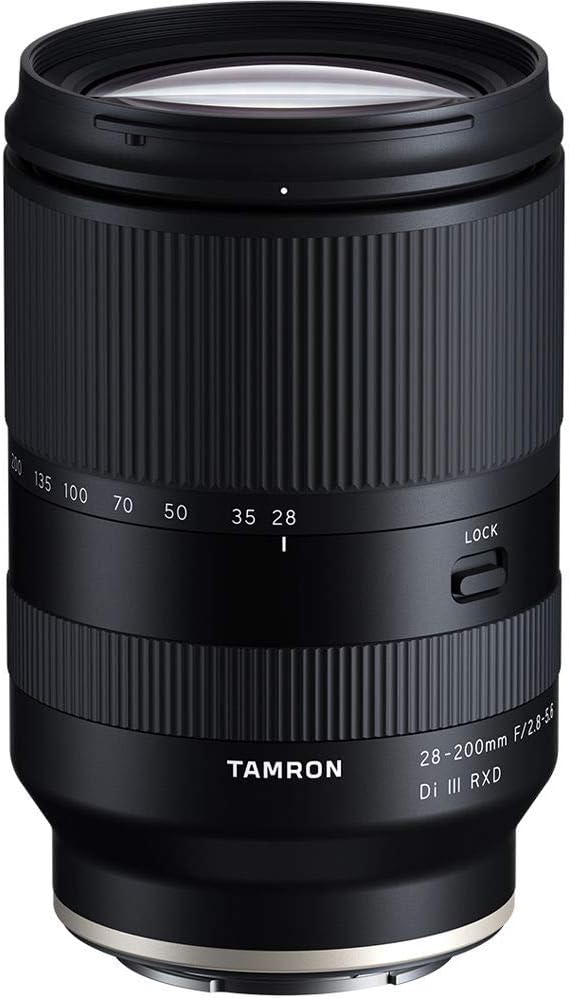
For bird enthusiasts, capturing the fleeting moments of avian life requires a lens that balances versatility, performance, and portability. The Tamron 28-200mm F/2.8-5.6 Di III RXD, designed for Sony E-mount cameras, promises to deliver on these fronts. This all-in-one zoom lens has gained popularity among photographers who appreciate its broad focal range, but how well does it cater to the specific needs of bird photographers? Let’s explore the strengths and weaknesses of this lens in the context of birding.
The Positives: What Makes the Tamron 28-200mm Stand Out?
1. Versatility Across Focal Lengths
One of the standout features of the Tamron 28-200mm is its extensive focal range. Covering wide-angle to telephoto, this lens allows bird photographers to adapt to various shooting scenarios without needing to change lenses. Whether you’re capturing a wide shot of a flock in flight or zooming in on a single perched bird, the 28-200mm range offers the flexibility to achieve both.
2. Lightweight and Portable
Bird photography often requires long hours in the field, making the weight and size of gear a crucial consideration. The Tamron 28-200mm weighs only 575 grams (approximately 1.27 pounds), making it one of the lightest lenses in its class. Its compact design ensures that photographers can easily carry it around without fatigue, an invaluable feature for those who spend extended periods exploring nature.
3. Fast Aperture at Wide Angle
The F/2.8 maximum aperture at the 28mm end of the lens provides excellent low-light performance and depth of field control. While this feature is more advantageous for landscape and low-light shots than direct bird photography, it offers creative flexibility when framing birds within broader environmental contexts.
4. Reliable Autofocus
Equipped with the RXD (Rapid eXtra-silent stepping Drive) motor, the lens boasts fast and quiet autofocus performance. This is particularly beneficial for bird photographers, as it minimizes disturbance, helping photographers capture candid moments without startling their subjects.
5. Weather-Sealed Design
Outdoor photography is subject to unpredictable weather conditions. Fortunately, the Tamron 28-200mm features a weather-sealed construction, providing protection against moisture and dust. This durability ensures that photographers can continue their work in various environments without concern for lens damage.
The Drawbacks: Limitations in Bird Photography
1. Limited Telephoto Reach
While the 200mm focal length is sufficient for many types of photography, it might fall short for dedicated bird photographers who often require longer focal lengths to photograph distant subjects. This limitation means that for serious bird photography, especially with smaller or skittish birds, a lens with a longer reach might be preferred.
2. Variable Aperture
The variable maximum aperture of F/2.8-5.6 means that as you zoom in, the lens becomes slower, affecting low-light performance and depth of field options. This can be a drawback in challenging lighting conditions, such as early mornings or late afternoons when birds are most active.
3. Lack of Image Stabilization
Unlike some competing lenses, the Tamron 28-200mm does not have built-in image stabilization. This absence can be a significant disadvantage for bird photographers who often work with hand-held shots in dynamic environments. Relying solely on the camera’s stabilization system might not be sufficient in all scenarios, potentially leading to motion blur.
4. Chromatic Aberration and Distortion
Some users have reported noticeable chromatic aberration and distortion, particularly at the wide and telephoto ends of the zoom range. While these can often be corrected in post-processing, they may require additional time and effort, especially for photographers who aim for the highest image quality straight out of the camera.
Conclusion: A Balanced Choice for Bird Enthusiasts
The Tamron 28-200mm F/2.8-5.6 Di III RXD offers a compelling mix of features for bird enthusiasts, particularly for those who prioritize portability and versatility. Its lightweight design, fast autofocus, and weather-sealed construction make it a reliable companion for excursions into the natural world.
However, the lens’s limited telephoto reach and lack of image stabilization might be significant considerations for those who aim for specialized bird photography. For enthusiasts who seek a balance between general photography needs and occasional bird capturing, this lens presents a solid option. Yet, for professional bird photographers, complementing this lens with a longer telephoto lens might be necessary to cover all bases.
Ultimately, the choice of lens will depend on individual priorities and shooting styles. For those who appreciate the convenience of a single-lens solution, the Tamron 28-200mm F/2.8-5.6 Di III RXD remains a versatile and efficient choice in the world of bird photography.
We are affiliated with Amazon and make a small royalty at no extra cost to you, so by using the links below to purchase your next birding gear you can help us to maintain Simply Birding and continue to bring great content:
Buy the Tamron 28-200 F/2.8-5.6 Di III RXD on Amazon now
Related posts