The Malabar Lark: A Unique Avian Jewel of the Indian Subcontinent
The Malabar Lark, scientifically known as *Galerida malabarica*, is a fascinating bird species endemic to the Indian subcontinent. It is a part of the Alaudidae family, which encompasses various lark species known for their elaborate songs and aerial displays. Despite its relatively inconspicuous appearance, the Malabar Lark is a remarkable bird with distinct features and behaviors that are worth exploring.
Habitat and Distribution
The Malabar Lark is primarily found in the peninsular regions of India, with a range that extends from the western to the central parts of the country. It is notably abundant in the Malabar region of southwestern India, which has given the species its common name. The bird thrives in open country habitats, favoring grasslands, scrublands, and cultivated areas. Its presence in agricultural fields often brings it into contact with human activities, yet it generally remains elusive and prefers undisturbed areas.
Physical Characteristics
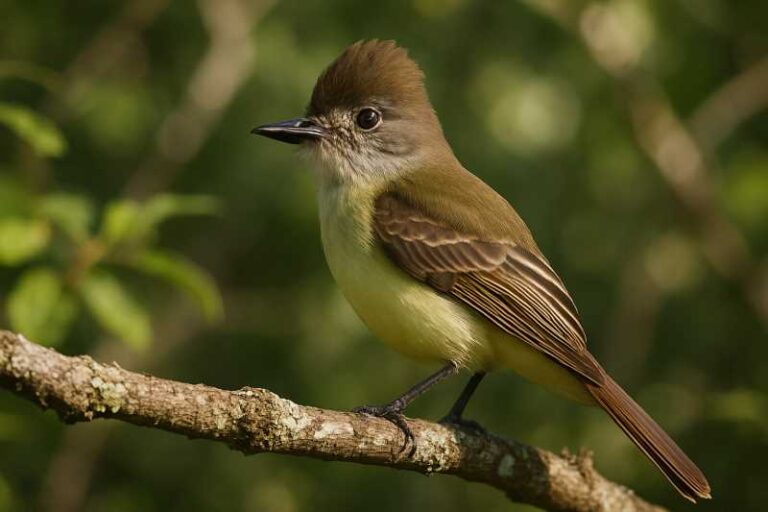
The Malabar Lark is a small bird, measuring approximately 15 centimeters in length, with a wingspan of about 25 centimeters. Its plumage is predominantly brown, providing excellent camouflage against the earthy tones of its habitat. The bird’s upperparts are streaked with dark brown, while its underparts are paler with a buffy wash. One of the distinguishing features of the Malabar Lark is its crest, which it raises when alert or displaying. This crest, combined with its robust build and strong legs, gives it a distinctive profile among other lark species.
Behavior and Ecology
The Malabar Lark is a ground-dwelling bird that exhibits fascinating behavior both in its foraging and breeding practices. It primarily feeds on seeds and insects, employing a methodical approach as it walks or hops along the ground. Its diet varies with the seasons, with a greater emphasis on insects during the breeding season to provide protein-rich nourishment for its chicks.
Breeding for the Malabar Lark typically occurs during the monsoon season, which offers abundant food supply and ideal nesting conditions. The male lark is known for its melodious song, which it delivers from a perch or during flight displays to attract a mate. The song is a complex series of trills and whistles, showcasing the bird’s vocal aptitude.
Nesting takes place on the ground, where the female constructs a simple grass-lined cup nest. Clutches generally consist of two to four eggs, which are well-camouflaged to avoid predation. Both parents share the responsibility of incubating the eggs and feeding the fledglings once they hatch.
Conservation Status
Currently, the Malabar Lark is classified as a species of Least Concern by the International Union for Conservation of Nature (IUCN). Its widespread distribution and stable population numbers contribute to this status. However, like many grassland and scrubland species, the Malabar Lark faces threats from habitat loss due to agricultural expansion, urbanization, and environmental changes. Conservation efforts aimed at preserving its natural habitat are essential to ensure the continued survival of this species.
Cultural Significance
The Malabar Lark holds a subtle yet significant place in the cultural tapestry of the regions it inhabits. It is often mentioned in local folklore and songs, symbolizing the beauty of nature and the joy of the monsoon season. Birdwatchers and naturalists in India and beyond admire the Malabar Lark for its remarkable adaptability and its role in the ecological balance of its habitat.
Conclusion
The Malabar Lark is a testament to the rich avian diversity of the Indian subcontinent. Its distinct characteristics, melodic song, and ecological role make it a species worth appreciating and protecting. While it currently enjoys a stable population, ongoing conservation efforts are crucial to mitigate potential threats and to preserve the natural landscapes that support its life cycle. As we continue to explore and understand the complexities of birdlife, the Malabar Lark serves as a reminder of the intricate connections between species and their environments.
By fostering awareness and appreciation for such species, we can contribute to their conservation and ensure that future generations can enjoy the beauty and song of the Malabar Lark in the wild.
Related posts