Nikon Z 50 II: A Bird Enthusiast’s Perspective
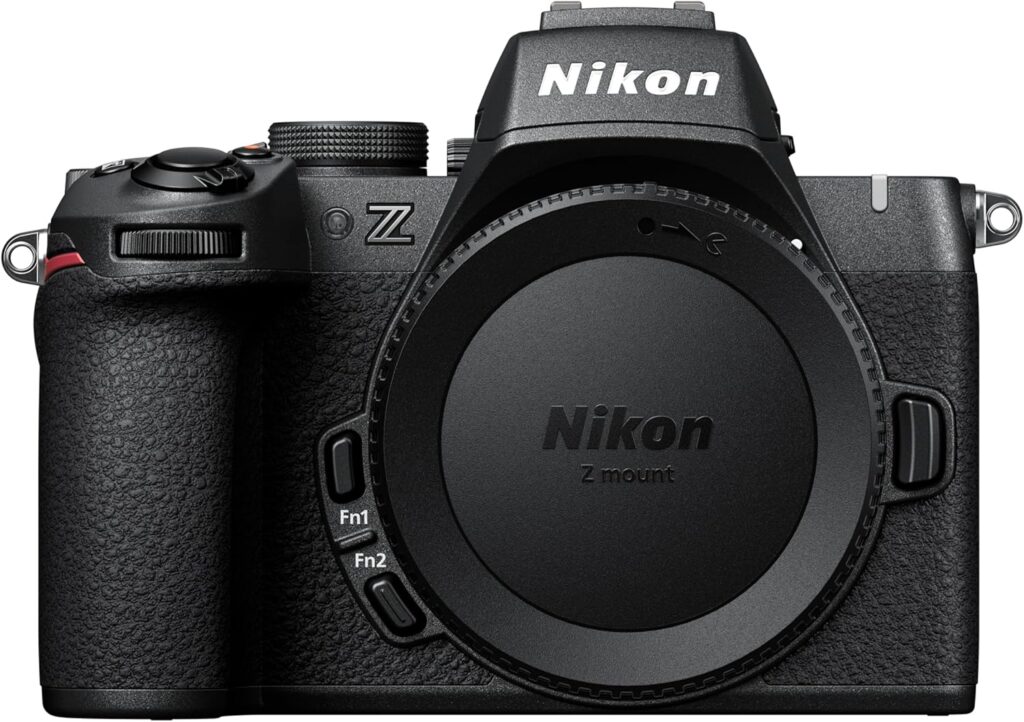
Bird photography is a realm that requires patience, precision, and the right equipment. As technology advances, the tools available to photographers evolve, offering new features and capabilities to capture even the most elusive avian subjects. For bird enthusiasts, the Nikon Z 50 II presents itself as a compelling option, blending portability with performance. In this article, we delve into the features of the Nikon Z 50 II, discussing its strengths and potential drawbacks for those passionate about bird photography.
The Lightweight Companion
One of the standout features of the Nikon Z 50 II is its compact and lightweight design. Weighing approximately 450 grams, this mirrorless camera is ideal for bird photographers who often trek through challenging terrains. The Z 50 II‘s portability means it can be carried easily, reducing the fatigue often associated with long hours of shooting in the wild. Its small form factor does not compromise on ergonomics, as the camera boasts a well-designed grip that feels secure in hand, even when fitted with larger telephoto lenses, which are essential for bird photography.
Image Quality and Performance
The camera features a 20.9-megapixel DX-format CMOS sensor, which strikes a balance between resolution and low-light performance. For bird enthusiasts, this is crucial, as many species are most active during dawn and dusk when lighting conditions can be challenging. The sensor, combined with the EXPEED 6 image processor, ensures that images come out crisp and vibrant, capturing the subtle details of feathers and the play of light in a bird’s eye.
The Z 50 II supports an ISO range of 100 to 51,200, extendable up to 204,800, allowing photographers to shoot in a variety of lighting conditions without sacrificing image quality. For those who enjoy capturing birds in flight, the camera offers continuous shooting at up to 11 frames per second with full autofocus, a feature that ensures you don’t miss the perfect moment.
Autofocus Capabilities
Autofocus is a critical feature for bird photographers, and the Z 50 II delivers a robust performance in this regard. Equipped with a 209-point hybrid autofocus system, the camera excels in tracking fast-moving subjects, a common challenge when photographing birds. The eye-detection AF, although primarily designed for human subjects, can also be beneficial in locking onto a bird’s eye, ensuring sharp focus where it matters most.
However, the Z 50 II does face challenges with smaller or more camouflaged birds in dense foliage. In such scenarios, the autofocus can occasionally struggle, requiring manual intervention from the photographer.
Video Capabilities
For those who enjoy capturing motion, the Nikon Z 50 II offers 4K UHD video recording without a crop, a significant advantage for maintaining the field of view, which is particularly useful for documenting bird behavior. The camera also supports a range of frame rates, including slow-motion options, allowing photographers to capture stunning sequences of birds in flight or interacting in their natural habitat.
Connectivity and Usability
The Z 50 II is equipped with built-in Wi-Fi and Bluetooth capabilities, facilitating seamless sharing of images and videos. This feature is particularly useful for bird enthusiasts who wish to share their captures in real-time with fellow photographers or on social media platforms.
The camera’s user interface is intuitive, with a touchscreen that makes navigating settings a breeze, even for those new to the mirrorless system. The electronic viewfinder provides a clear, bright display, although some users might find it slightly less effective in extremely bright conditions.
Battery Life and Limitations
One area where the Nikon Z 50 II could improve is battery life. While it offers a respectable number of shots per charge, extended excursions in remote locations might necessitate carrying extra batteries. Given the demands of bird photography, which often involves long waiting periods and bursts of activity, a longer battery life would be beneficial.
Additionally, while the Z 50 II does support external microphones for video recording, it lacks a headphone jack, which could be a drawback for enthusiasts who wish to monitor audio quality during filming.
Conclusion
The Nikon Z 50 II is a versatile tool for bird photographers, offering a blend of performance, portability, and ease of use. Its strengths lie in its compact design, impressive image quality, and robust autofocus system, making it a reliable companion for capturing the beauty of avian life. While it does have areas that could see improvement, such as battery life and certain autofocus challenges, the overall package presents a strong proposition for bird enthusiasts looking to explore the world of mirrorless photography.
For those keen on capturing the wonders of the avian world, the Nikon Z 50 II is indeed worth considering, offering a balance of features that cater to both amateur and seasoned photographers.
Related posts