Nikon Z 30: A Compact Marvel for Bird Enthusiasts
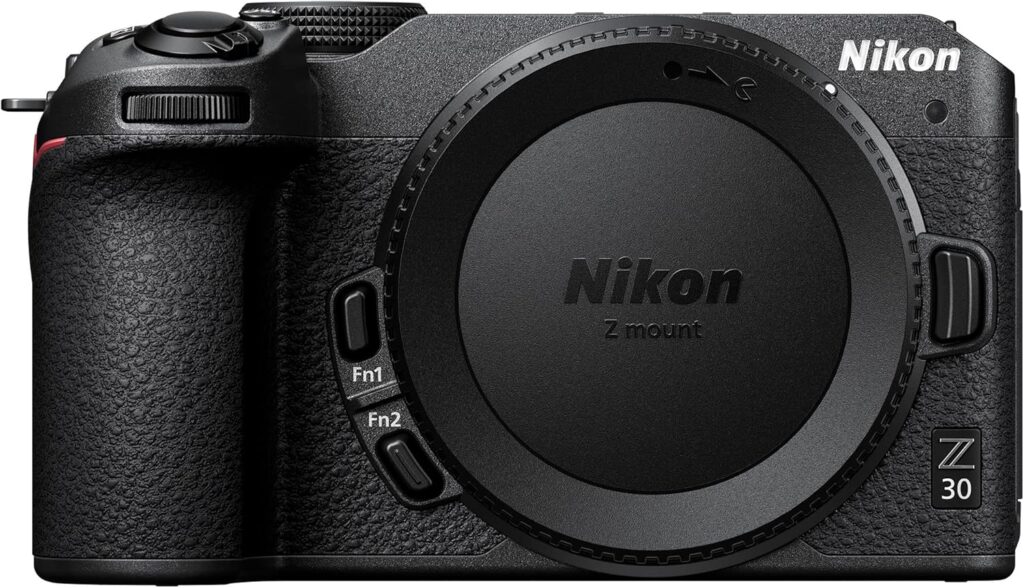
In the realm of wildlife photography, capturing the fleeting elegance of birds requires a camera that’s both agile and powerful. Nikon, a stalwart in the world of photography, has introduced the Nikon Z 30—a mirrorless camera that’s making waves among bird enthusiasts. Designed for content creators, vloggers, and photographers, the Z 30 is a testament to Nikon’s commitment to innovation and accessibility. This article delves into the features that make the Nikon Z 30 a compelling choice for bird photographers, while also acknowledging areas where it might not quite meet the mark.
Compact Design and Portability
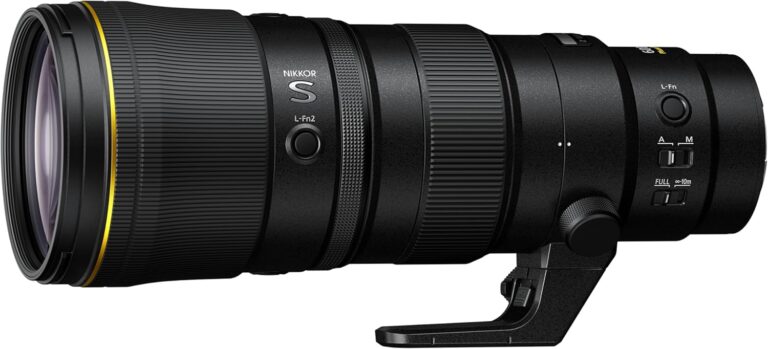
One of the standout features of the Nikon Z 30 is its compact design. Weighing in at just 405 grams (body only), it is remarkably lightweight, making it an excellent choice for bird enthusiasts who often embark on long treks to capture that perfect shot. The camera’s small size does not compromise its sturdiness, and it can be easily paired with a range of lenses, including telephoto options which are essential for bird photography.
For bird photographers, the ability to move quickly and quietly is crucial, and the Z 30‘s ergonomic design ensures that it can be comfortably held for extended periods without causing fatigue. This is a significant advantage when tracking birds or waiting for the perfect moment to capture a shot.
Impressive Image Quality
The Nikon Z 30 boasts a 20.9-megapixel APS-C sensor, delivering vibrant and detailed images. For bird enthusiasts, capturing the intricate details of plumage and the subtle hues of a bird’s environment is paramount, and the Z 30 does not disappoint. The camera’s sensor, paired with Nikon’s EXPEED 6 image-processing engine, ensures excellent low-light performance, which is particularly beneficial for early morning or late afternoon shooting sessions when birds are most active.
Fast Autofocus and Continuous Shooting
Bird photography often involves capturing subjects in motion, and the Z 30‘s autofocus system rises to the challenge. With 209 focus points and eye-detection capability, it excels in tracking subjects, ensuring that birds in flight are captured with precision. The camera’s ability to shoot at 11 frames per second in continuous mode is a boon for capturing fast-moving subjects, allowing photographers to select the best shot from a series of rapid captures.
4K Video Capabilities
For those who wish to capture video footage of birds, the Nikon Z 30 offers 4K video recording at up to 30p. This feature is particularly appealing to bird enthusiasts who want to document behaviors or create detailed video content. The camera also supports external microphones, which is ideal for capturing the intricate sounds of bird calls without the interference of ambient noise.
Room for Improvement
While the Nikon Z 30 presents a robust set of features, there are areas where it could improve. Firstly, the absence of an electronic viewfinder (EVF) might be a drawback for some photographers, especially those accustomed to composing their shots through a viewfinder rather than the LCD screen. This can be challenging in bright sunlight, where screen glare can obscure visibility.
Additionally, the Z 30‘s battery life, rated at approximately 330 shots per charge, might be limiting for those planning extended shooting sessions in remote locations. Bird photographers often find themselves in settings where recharging options are limited, and carrying multiple spare batteries becomes a necessity.
Limited Weather Sealing
Another aspect to consider is the camera’s weather sealing. The Nikon Z 30 does not offer the same level of protection against the elements as some of Nikon’s more advanced models. For bird enthusiasts who venture into diverse environments, from humid rainforests to arid deserts, this could be a point of concern.
Versatile Lens Options
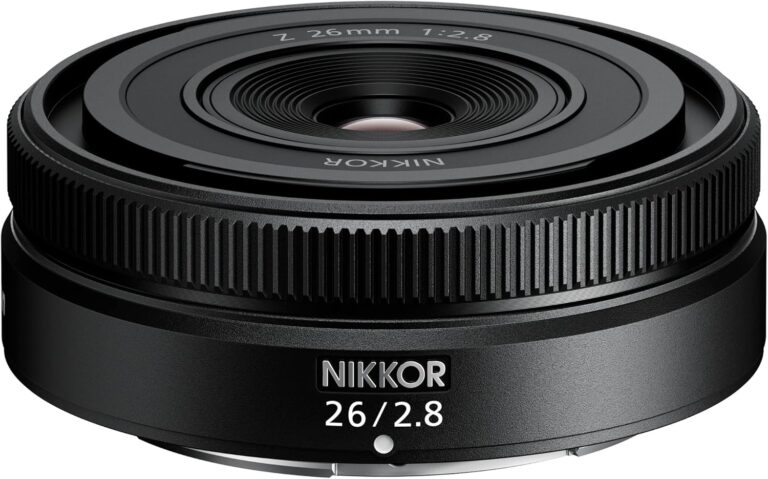
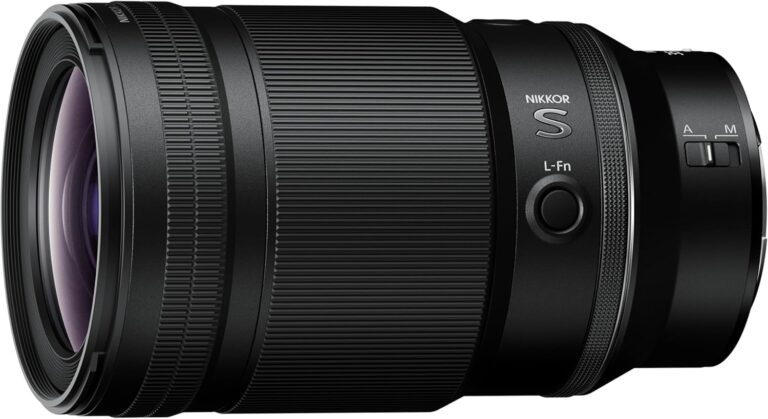
Despite these limitations, the versatility of lens options available for the Z 30 is a significant advantage. The camera supports Nikon’s Z-mount lenses, which include a range of telephoto lenses ideal for bird photography. The range of lenses allows photographers to experiment with different focal lengths and apertures, ensuring they have the right tool for any situation.
Conclusion
In conclusion, the Nikon Z 30 is a compelling option for bird enthusiasts seeking a lightweight, capable camera that can be easily carried into the field. Its compact design, impressive image quality, and fast autofocus make it a strong contender in the realm of wildlife photography. While it may fall short in terms of battery life, EVF availability, and weather sealing, its strengths in portability and versatility make it a valuable addition to a bird photographer’s toolkit.
For those who are willing to work around its limitations, the Nikon Z 30 offers an excellent balance of performance and convenience, making it a worthy companion for capturing the beauty and grace of avian life.
Related posts