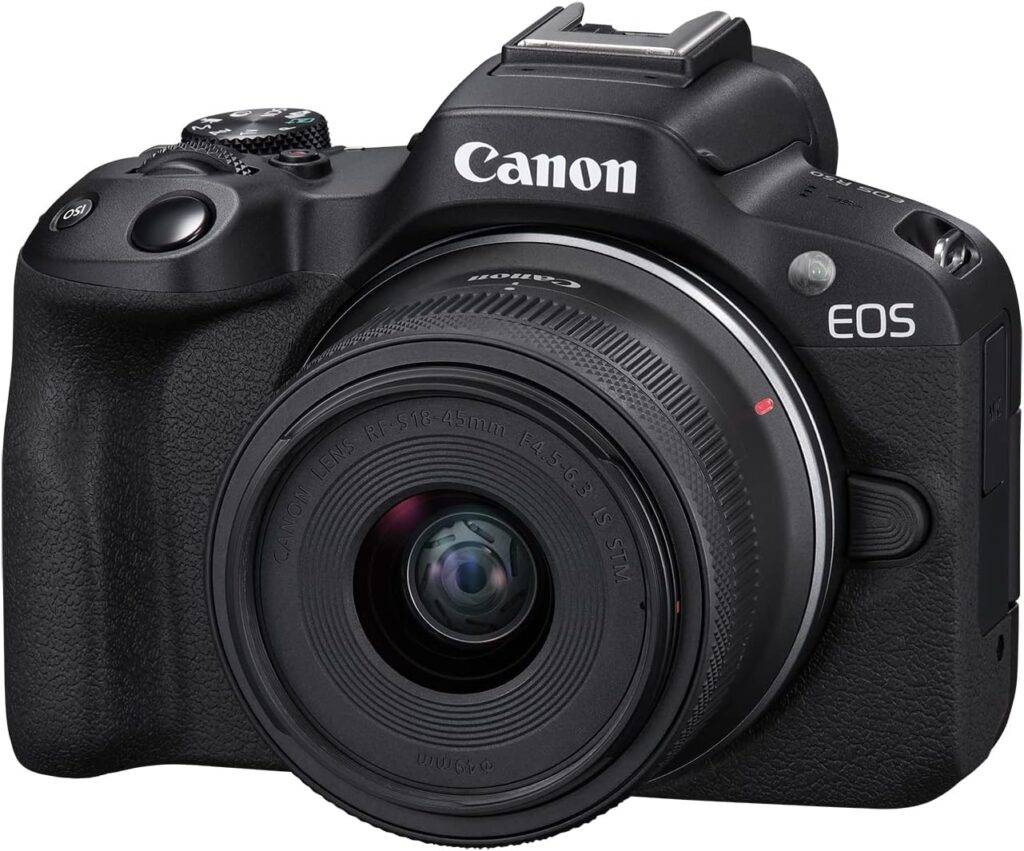
Canon EOS R50: A Bird Watcher’s Perspective
In the ever-evolving world of wildlife photography, bird enthusiasts are constantly on the hunt for the perfect camera that merges technology with usability. Enter the Canon EOS R50, a mirrorless camera that promises to cater to the needs of photographers who revel in capturing the intricate details of avian species. With its compact design and innovative features, the EOS R50 has piqued the interest of many bird watchers. However, like any piece of technology, it comes with its own set of strengths and weaknesses.
A Compact Companion
One of the standout features of the Canon EOS R50 is its compact size. For bird enthusiasts who often find themselves trekking through diverse terrains, from dense forests to expansive wetlands, the light and portable design of the R50 is a significant advantage. Weighing just under 500 grams, this camera ensures that photographers can carry it comfortably for extended periods without succumbing to fatigue.
Moreover, its ergonomic design allows for easy handling, even when you’re perched precariously trying to capture that elusive bird in flight. The intuitive button placement ensures that all essential functions are within easy reach, allowing for quick adjustments without taking your eyes off the subject.
Picture Perfect
The Canon EOS R50 boasts a 24.1-megapixel APS-C sensor, which is particularly adept at capturing rich details and vibrant colors, a crucial aspect when photographing birds. This high-resolution sensor ensures that even when cropping images to focus on distant subjects, the photo quality remains intact.
For bird enthusiasts, capturing fast-moving subjects is often a challenge. The EOS R50‘s Dual Pixel CMOS AF II system, with its swift and accurate autofocus capabilities, is a game-changer. It excels in tracking moving subjects, ensuring that your feathered friends are always in sharp focus, even against complex backgrounds.
Additionally, the camera’s impressive ISO range (100-25,600, expandable to 51,200) allows for exceptional performance in varying lighting conditions, making it perfect for early morning or late afternoon shoots when birds are most active.
Video Capabilities
The Canon EOS R50 is not just a still photography powerhouse; it also shines in video production. It supports 4K video recording at 30fps, providing bird watchers with the opportunity to capture stunning motion footage of their subjects. Whether it’s the graceful glide of an eagle or the erratic movement of a hummingbird, the R50 ensures smooth and detailed video quality.
Connectivity and Usability
In today’s digital age, the ability to share your work quickly is crucial. The EOS R50‘s built-in Wi-Fi and Bluetooth connectivity make transferring files to other devices or social media platforms a breeze. For bird enthusiasts, this means sharing your latest avian discoveries with fellow enthusiasts or online communities has never been easier.
The camera’s compatibility with Canon’s extensive range of RF lenses is another noteworthy feature. This flexibility allows photographers to choose the perfect lens for their bird photography needs, whether that be a wide-angle lens for capturing birds in their natural habitat or a telephoto lens for close-up shots.
The Drawbacks
Despite its impressive array of features, the Canon EOS R50 is not without its drawbacks. One of the primary concerns for bird enthusiasts is the battery life. While the camera performs admirably in many respects, its battery life can be limiting, especially for those planning to spend entire days in the field. Carrying spare batteries is almost a necessity to ensure you don’t miss out on capturing rare moments.
Furthermore, while the R50’s autofocus system is generally reliable, it can occasionally struggle in extremely low-light situations. Although this is a common issue among many cameras in this range, bird photographers who often work in dimly lit environments may find this a slight inconvenience.
Lastly, while the camera’s compact size is generally an asset, it does limit the size of the available buttons and dials. Photographers with larger hands may find the controls a bit cramped, potentially hindering quick adjustments in high-pressure situations.
Conclusion
In conclusion, the Canon EOS R50 is a formidable tool for bird enthusiasts looking to capture the beauty and diversity of avian life. Its compact size, high-resolution sensor, and advanced autofocus system make it a compelling choice for both amateur and professional photographers. However, prospective buyers should be mindful of its battery limitations and the potential challenges posed by its compact controls.
For those willing to work around these minor inconveniences, the EOS R50 offers a versatile and powerful photography experience that can significantly enhance your bird-watching endeavors. Whether you’re a seasoned bird photographer or a newcomer eager to explore the world of avian photography, the Canon EOS R50 is a worthy companion on your adventures.
Related posts