The Remarkable Black-capped Kingfisher: A Jewel of Avian Diversity
The Black-capped Kingfisher (Halcyon pileata) is a striking species that captivates bird enthusiasts and ornithologists alike. Known for its vibrant plumage and dynamic presence in diverse habitats, this bird is a symbol of the richness and complexity of avian life. In this article, we explore the characteristics, habitat, behavior, and conservation status of this extraordinary bird.
Characteristics and Appearance
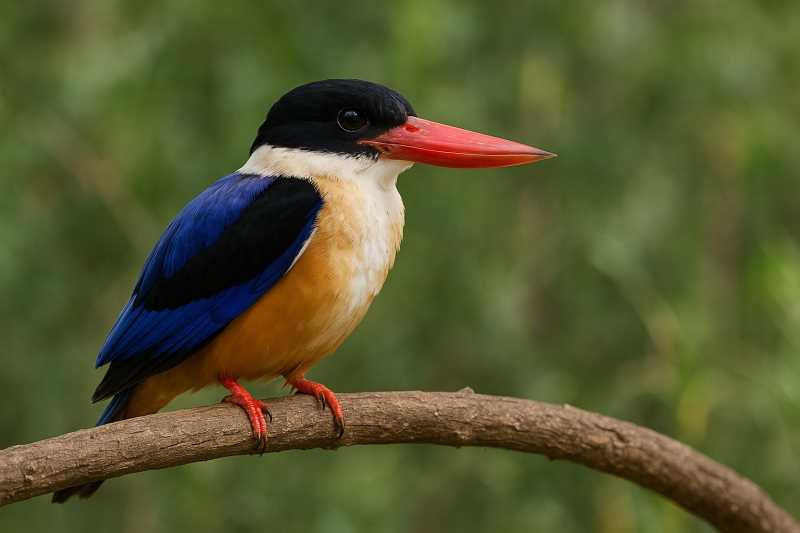
The Black-capped Kingfisher is a medium-sized bird, measuring approximately 28 cm in length, with a wingspan of about 45 cm. Its most distinctive feature is its black crown, which contrasts sharply with its white throat and collar. The bird’s back and wings are a brilliant blue, while its underparts are a rich chestnut. The sharp contrast in colors makes this kingfisher particularly eye-catching.
Additionally, the bird’s bill is long and bright red, a tool perfectly adapted for its feeding habits. Its legs and feet are also red, complementing its overall vivid appearance. The combination of colors not only serves as a visual delight but also plays a role in its behavioral displays, especially during mating season.
Habitat and Distribution
The Black-capped Kingfisher is predominantly found in South and Southeast Asia, with its range extending from India and China down to Indonesia and the Philippines. It thrives in a variety of habitats, including coastal regions, mangroves, riverbanks, and even urban areas where water bodies are present.
This adaptability to different environments highlights the species’ resilience and versatility. However, like many bird species, it prefers habitats that offer rich biodiversity and ample food supply. Its presence is often an indicator of a healthy ecosystem, as it relies on clean water and abundant prey, such as fish, small crustaceans, and insects.
Feeding Habits and Behavior
The Black-capped Kingfisher is a skilled hunter, utilizing its keen eyesight and agile flight to catch prey. It typically hunts from a perch, scanning the water below for movement, before diving swiftly to capture its meal. This precision makes it a formidable predator in its habitat.
In terms of behavior, the Black-capped Kingfisher is known for its loud, rattling call, which can be heard over long distances. This call is primarily used for communication between mates and to establish territory. During the breeding season, males perform elaborate displays, showcasing their vibrant plumage to attract females.
Reproduction and Lifecycle
The breeding season for the Black-capped Kingfisher varies across its range but generally occurs during the warmer months when food is abundant. The nest is typically a burrow dug into a riverbank or a sandy coastal area, where the female lays a clutch of 3-5 eggs.
Both parents are involved in incubating the eggs and feeding the chicks once they hatch. The young are altricial, meaning they are born helpless and require significant parental care. This family-oriented behavior ensures a higher survival rate for the offspring, contributing to the species’ overall stability.
Conservation Status and Challenges
Currently, the Black-capped Kingfisher is listed as a species of Least Concern by the International Union for Conservation of Nature (IUCN). However, this status does not mean the species is free from threats. Habitat destruction, particularly in coastal and riverine areas, poses a significant risk. Pollution and climate change also impact their habitats, potentially reducing the availability of food sources.
Conservation efforts are crucial to maintaining the populations of this kingfisher. Protecting wetlands, enforcing pollution controls, and preserving natural landscapes are essential strategies. Additionally, raising awareness about the ecological importance of the Black-capped Kingfisher can garner support for conservation initiatives.
Conclusion
The Black-capped Kingfisher is a testament to the beauty and diversity of bird life. Its vivid colors, dynamic behavior, and adaptability make it a fascinating subject of study and admiration. As we continue to navigate environmental challenges, the conservation of such species becomes increasingly important. By understanding and protecting the Black-capped Kingfisher, we not only preserve a unique part of our natural heritage but also ensure the health of the ecosystems they inhabit.
Related posts