
Understanding the Conservation Needs of Henslow’s Sparrow
The Henslow’s Sparrow (Ammodramus henslowii) is a small, elusive bird that has captured the attention of ornithologists and conservationists alike. Known for its subtle beauty and cryptic nature, this species has become a symbol of the ongoing struggle to preserve North America’s grassland habitats. Historically found across the eastern United States, the Henslow’s Sparrow has faced significant challenges due to habitat loss and fragmentation, underscoring the urgent need for targeted conservation efforts.
Physical Characteristics and Habitat
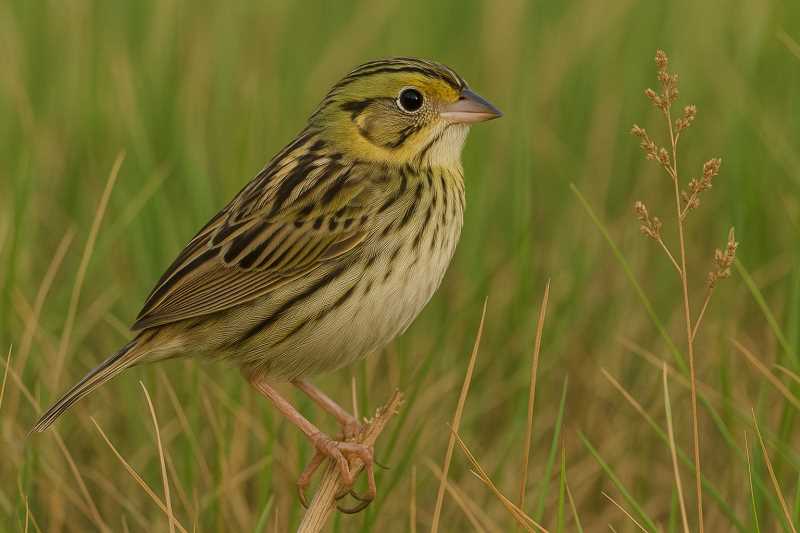
Henslow’s Sparrow is a small bird, measuring approximately 5 inches in length with a wingspan of about 7 inches. Its plumage is characterized by olive-brown upperparts with black streaks, a green-tinged head, and a distinctive flat-headed appearance. The bird’s subtle coloration and shy nature make it difficult to spot in its preferred habitat.
This sparrow thrives in open, grassy fields with tall vegetation. It prefers areas with a mixture of grasses and scattered shrubs, often in wet or poorly drained soils. Historically, these birds inhabited vast expanses of prairie grasslands. However, the conversion of these lands for agriculture and urban development has led to a significant reduction in suitable habitats.
Breeding and Behavior
The breeding season for Henslow’s Sparrow typically begins in late April and extends through August. During this time, males establish territories and attract mates with a distinctive, simple song often described as a short, insect-like trill. The nests are built close to the ground, concealed within dense grass, which provides protection from predators and harsh weather.
Henslow’s Sparrows are primarily insectivorous during the breeding season, feeding on a diet of beetles, grasshoppers, and other small invertebrates. In the fall and winter months, they shift to a diet that includes seeds and grains, reflecting the seasonal availability of food resources.
Conservation Status
The IUCN Red List categorizes Henslow’s Sparrow as Near Threatened, largely due to habitat loss and fragmentation across its range. The conversion of natural grasslands to agricultural lands, along with urban sprawl, has drastically reduced the sparrow’s available habitat. Additionally, changes in land management practices, such as early mowing and intensive grazing, have further degraded the quality of remaining habitats.
Efforts to conserve Henslow’s Sparrow focus on protecting and restoring grassland habitats. Conservation strategies include promoting land management practices that maintain or enhance grassland ecosystems, such as delayed mowing, controlled burns, and conservation easements. Partnerships between government agencies, non-profit organizations, and private landowners are crucial for implementing these strategies effectively.
The Role of Citizen Science
Citizen science initiatives have played a significant role in monitoring Henslow’s Sparrow populations and understanding their ecology. Programs like the North American Breeding Bird Survey and eBird allow bird enthusiasts and amateur ornithologists to contribute valuable data on the distribution and abundance of this species. These efforts not only enhance our understanding of Henslow’s Sparrow but also help guide conservation policies and actions.
Looking Ahead
The future of Henslow’s Sparrow depends on continued conservation efforts and public awareness. Protecting existing grasslands and restoring degraded habitats are critical steps in ensuring the survival of this species. As climate change and human development continue to impact natural ecosystems, proactive measures will be essential to safeguard the habitats that Henslow’s Sparrow and other grassland species rely on.
By fostering a deeper appreciation for this unique bird and its grassland home, we can inspire the actions needed to preserve these vital ecosystems for future generations. Through collaborative conservation efforts and ongoing research, there is hope for a brighter future for Henslow’s Sparrow and the rich biodiversity of North America’s grasslands.
Related posts


