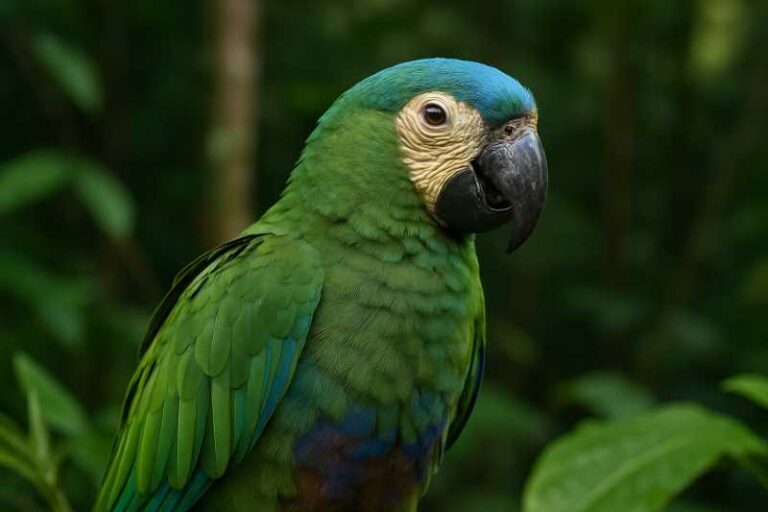
The European Goldfinch: A Jewel of the Avian World
The European Goldfinch, known scientifically as Carduelis carduelis, is a small passerine bird that is part of the finch family, Fringillidae. Renowned for its striking plumage and melodic song, the goldfinch is a symbol of beauty and joy throughout Europe and beyond. Its vibrant colors and distinct markings make it easily recognizable, even to those who are not avid birdwatchers.
Physical Characteristics
The European Goldfinch is a relatively small bird, measuring about 12 to 13.5 centimeters in length with a wingspan of 21 to 25 centimeters. The adult goldfinch boasts a distinctive red face, with a black-and-white head and a predominantly brown body. Its wings are black, adorned with bright yellow wing bars, which are particularly striking when the bird is in flight. The tail is short and notched, with white spots that add to its visual appeal. Males and females are similar in appearance, though females tend to have slightly less vibrant coloration.
Habitat and Distribution
The European Goldfinch is native to Europe, North Africa, and western and central Asia. It is highly adaptable and can be found in a variety of habitats, including open woodlands, gardens, orchards, and farmlands. The bird is also a common visitor to urban areas, where it frequents parks and gardens in search of food. During winter, goldfinches may form flocks and migrate southward to escape the harsh European winters, although many populations are resident year-round, especially in milder climates.
Diet and Feeding Behavior
Goldfinches are primarily granivorous, feeding predominantly on seeds. Their slender, pointed beaks are perfectly adapted for extracting seeds from thistles, teasels, and dandelions, which comprise a significant portion of their diet. In addition to seeds, they may also consume small insects, particularly during the breeding season when protein-rich food is essential for growing chicks.
Breeding and Nesting
The breeding season for European Goldfinches typically occurs from late spring to early summer. The male goldfinch courts the female with a display of aerial acrobatics and a sweet, warbling song. Once paired, the female constructs a neat, cup-shaped nest made from moss, lichens, and spider webs, often situated high in a tree or bush. She lays a clutch of four to six eggs, which are pale blue with light brown speckles. The female incubates the eggs for about 11-14 days, and once hatched, both parents share the responsibility of feeding the chicks.
Conservation Status
The European Goldfinch is currently listed as a species of Least Concern by the International Union for Conservation of Nature (IUCN), thanks to its widespread and abundant population. However, like many bird species, it faces threats from habitat loss, pesticide use, and climate change, which can affect food availability and breeding success. Conservation efforts focused on preserving natural habitats and promoting biodiversity-friendly practices in agriculture and urban planning can help ensure the continued survival of this charming bird.
Cultural Significance
Throughout history, the European Goldfinch has held a special place in art and culture. Its vivid colors and cheerful song have inspired countless poets, artists, and musicians. In Christian symbolism, the goldfinch is often associated with the Passion of Christ and is depicted in religious paintings as a symbol of endurance and resurrection. Its image has also been used in secular art to represent joy, beauty, and the fleeting nature of life.
In modern times, the European Goldfinch continues to captivate bird enthusiasts and nature lovers. Its presence in gardens and parks brings a touch of color and music to everyday life, reminding us of the beauty and complexity of the natural world.
In summary, the European Goldfinch is not just a bird of striking appearance but also an important part of the ecosystems it inhabits. Its adaptability and resilience are a testament to the delicate balance of nature and the interconnectedness of all living things.
Related posts