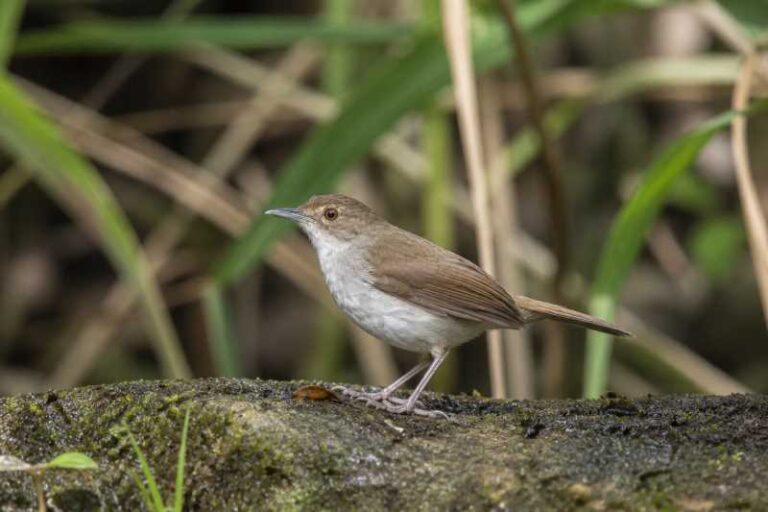
The Semipalmated Sandpiper (Calidris pusilla) is a small shorebird that is an integral part of the ecosystems it inhabits. With its striking migratory patterns and fascinating behaviors, the Semipalmated Sandpiper has captured the interest of ornithologists and bird enthusiasts alike. This article delves into the biology, migratory habits, and conservation status of this remarkable species.
Biology and Physical Description
The Semipalmated Sandpiper is a diminutive bird, measuring about 13 to 15 cm in length with a wingspan ranging from 28 to 30 cm. It is characterized by its short, straight bill and partially webbed feet, which give the species its name—’semipalmated’ refers to the partial webbing between its toes.
In terms of plumage, the Semipalmated Sandpiper exhibits a seasonal variation. During the breeding season, adults have a distinctive brownish-grey back with fine streaks on the head and neck, while the underparts remain white. In non-breeding plumage, the bird appears more plain, with a greyer overall appearance. Both sexes are similar in appearance, although females tend to be slightly larger.
Habitat and Distribution
This sandpiper breeds in the Arctic tundra, predominantly across North America, from Alaska eastward to the Hudson Bay. Nesting occurs in open areas near water, where the ground is soft enough to allow for foraging. The breeding season extends from June to July, during which time the female lays a clutch of four eggs.
Post-breeding, Semipalmated Sandpipers embark on a long southward migration to their wintering grounds. These birds are known for one of the longest migrations in the animal kingdom, traveling up to 3,000 miles to reach the coastal mudflats of South America, with stops along the eastern coast of the United States, the Caribbean, and Central America.
Behavior and Diet
Semipalmated Sandpipers are social birds, often found in large flocks, especially during migration. They exhibit a feeding behavior known as ‘probing,’ using their sensitive bills to detect prey in the mud. Their diet primarily consists of invertebrates such as insects, crustaceans, and mollusks. During migration, they may also consume plant material and seeds.
These birds are known for their synchronized flight patterns, which help protect them from predators by confusing them with the sheer number of birds moving as one. These intricate aerial displays are a spectacle for bird watchers and a testament to the sandpipers’ highly developed social behaviors.
Conservation Status
The Semipalmated Sandpiper faces several threats, primarily due to habitat loss and environmental changes. Key stopover sites along their migratory route and wintering grounds are being lost to coastal development and pollution. Climate change also poses a significant threat by altering the availability of food resources and suitable breeding habitats.
Conservation efforts are underway to protect crucial habitats and mitigate threats. Organizations such as the Western Hemisphere Shorebird Reserve Network (WHSRN) work to safeguard important stopover and wintering sites. Additionally, efforts to monitor populations and conduct research on migration patterns are critical to understanding and addressing the challenges faced by the species.
Conclusion
The Semipalmated Sandpiper is a resilient species that plays a vital role in the ecosystems it traverses. Its incredible migratory journey and adaptability are a testament to the wonders of avian life. However, the challenges it faces highlight the need for concerted conservation efforts to ensure that this remarkable bird continues to grace our shores for generations to come.
Protecting the habitats and migratory routes of the Semipalmated Sandpiper is not just about preserving a single species; it’s about maintaining the ecological balance and health of our planet’s biodiversity. As stewards of the environment, it is our responsibility to ensure that future generations can witness the awe-inspiring phenomena of these incredible birds in flight.
Related posts