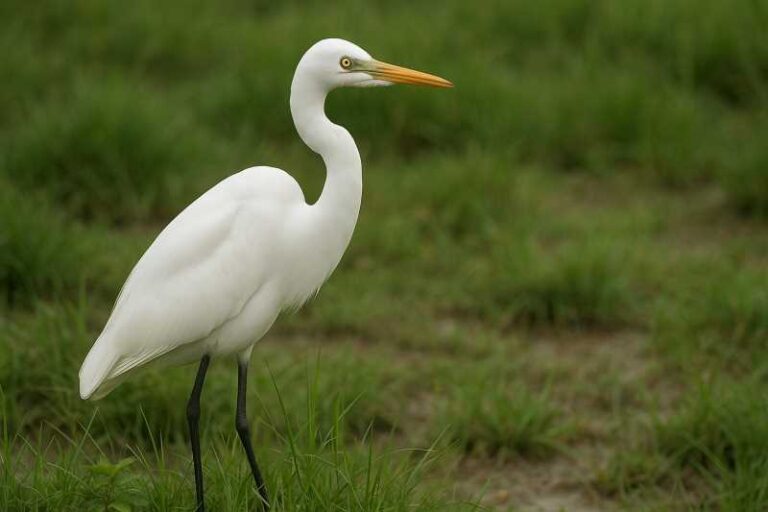
Understanding the Lesser Scaup: A Dive into the World of North America’s Diving Duck
The Lesser Scaup, scientifically known as Aythya affinis, is a fascinating species among North America’s diving ducks. These birds are part of the Anatidae family and are closely related to the Greater Scaup, with which they share many similarities. However, their unique characteristics and behaviors make them a subject of interest for ornithologists and bird enthusiasts alike.
Physical Characteristics
Lesser Scaups are medium-sized ducks, with males and females exhibiting distinct plumage. The males are easily recognizable by their glossy black heads, bright yellow eyes, and blue-gray bills. Their bodies are primarily white with a subtle vermiculation of black on their backs. During the breeding season, their heads can appear iridescent, reflecting shades of purple and green. Female Lesser Scaups, on the other hand, have a more subdued appearance, with brown bodies, a lighter face, and a characteristic white patch around the base of their bills.
Habitat and Distribution
These ducks are highly migratory, with breeding grounds spanning across the northern regions of the United States and Canada, particularly in areas with abundant wetlands and marshes. They favor freshwater lakes, ponds, and rivers during the breeding season. In the winter months, Lesser Scaups migrate to warmer climates, typically settling in coastal bays, estuaries, and inland lakes across the southern United States, Mexico, and Central America.
Diet and Feeding Behavior
As diving ducks, Lesser Scaups are adept at foraging underwater. Their diet primarily consists of aquatic invertebrates, such as insects, mollusks, and crustaceans. They also consume a variety of plant materials, including seeds and aquatic plants. Lesser Scaups exhibit remarkable adaptability in their feeding habits, often diving to depths of over six feet to reach their prey. This behavior not only provides them with a diverse diet but also plays a crucial role in maintaining the ecological balance of their habitats.
Breeding and Reproduction
The breeding season for Lesser Scaups typically begins in late spring. Males perform elaborate courtship displays to attract females, which involve head bobbing, wing flapping, and vocalizations. Once paired, the female selects a nest site, usually near water, concealed among dense vegetation. She lays a clutch of 7 to 11 eggs, which she incubates alone for about 25 to 27 days. The ducklings are precocial, meaning they are relatively mature and mobile shortly after hatching, allowing them to quickly follow their mother to water where they learn to feed themselves.
Conservation Status
Currently, the Lesser Scaup is listed as a species of least concern by the International Union for Conservation of Nature (IUCN). However, their populations have experienced fluctuations due to habitat loss, pollution, and changes in wetland ecosystems. Conservation efforts are focused on preserving wetland habitats and monitoring population trends to ensure the sustainability of this species.
Lesser Scaup in the Ecosystem
Lesser Scaups play a pivotal role in their ecosystems as both predators and prey. Their feeding habits help control invertebrate populations, contributing to the health and balance of aquatic environments. Furthermore, they provide nourishment for a variety of predators, including birds of prey, mammals, and larger fish, thus supporting the broader food web.
Conclusion
The Lesser Scaup is a remarkable example of nature’s adaptability and resilience. Despite facing numerous environmental challenges, these ducks continue to thrive across diverse habitats. Their presence enriches the biodiversity of wetland ecosystems and serves as a reminder of the intricate connections within nature. As we continue to study and protect these birds, we gain valuable insights into the health of our planet’s freshwater ecosystems and the vital role of waterfowl in maintaining ecological balance.
Related posts