The Rufous-crowned Sparrow: A Hidden Gem in Arid Landscapes
Among the diverse avian species that populate North America’s varied landscapes, the Rufous-crowned Sparrow (Aimophila ruficeps) stands out due to its subtle beauty and adaptability. Often overshadowed by its more flamboyant relatives, this sparrow thrives in the arid and semi-arid regions of the southwestern United States and parts of Mexico. It is a bird that evokes admiration from birdwatchers and ornithologists alike, not only for its striking appearance but also for its ability to survive and flourish in challenging environments.
Physical Characteristics and Identification
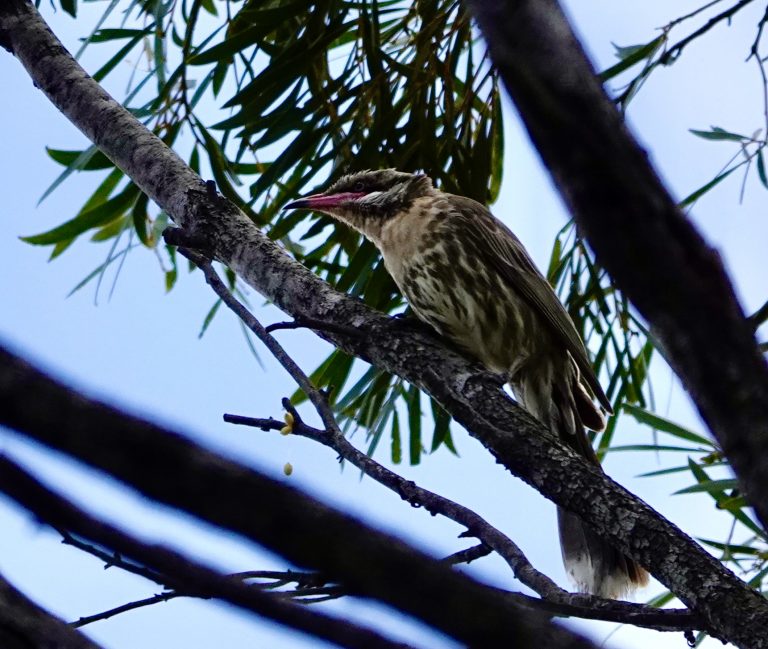
The Rufous-crowned Sparrow is a medium-sized sparrow with a body length ranging from 14 to 15 centimeters and a wingspan of approximately 19 centimeters. Its most distinctive feature is the rufous-colored crown, which contrasts beautifully with its otherwise subdued plumage. The bird’s upperparts are primarily gray-brown, with a slightly lighter underbelly, and it exhibits a subtle streaking along its flanks. Its facial features include a white eye-ring and a delicate, gray cheek patch, which together with its clear, melodic song, make it a delightful subject for bird enthusiasts and researchers.
Habitat and Distribution
This sparrow is largely found in arid to semi-arid habitats, thriving in rocky hillsides, canyons, and scrublands with scattered grasses and shrubs. Its range extends across the southwestern United States, including California, Arizona, New Mexico, and Texas, and stretches into Central Mexico. The bird’s preference for dry, rugged terrain often leads it to areas that are less impacted by human activity, providing a natural refuge from the pressures of urban development.
Behavior and Diet
The Rufous-crowned Sparrow is primarily a ground forager, adept at picking through leaf litter and sparse vegetation to find seeds, insects, and other small invertebrates. It is known for its distinctive hopping motion as it searches for food. Unlike many other sparrow species that may form large flocks, the Rufous-crowned Sparrow is typically seen alone or in pairs, especially during the breeding season.
The breeding season stretches from April to July, with the birds constructing cup-shaped nests hidden among rocks or dense shrubs to protect them from predators. Females usually lay a clutch of three to four eggs, which they incubate for about two weeks. Both parents share the responsibility of feeding the chicks once they hatch, ensuring that the young are well-nourished and able to fledge within two weeks.
Conservation Status
Currently, the Rufous-crowned Sparrow is not considered at risk of extinction. However, its reliance on specific types of habitat makes it vulnerable to environmental changes. Habitat destruction due to urban expansion, agriculture, and climate change poses potential threats. Conservation efforts aimed at preserving natural landscapes and controlling invasive plant species are crucial for maintaining the populations of this resilient bird.
Significance and Observation
For birdwatchers, the Rufous-crowned Sparrow offers a rewarding challenge. Its elusive nature and preference for remote habitats make sightings particularly special. Enthusiasts often venture into national parks and other protected areas within its range to catch a glimpse of its rust-colored crown and hear its sweet, melodious song echoing across the rocky terrain.
In conclusion, the Rufous-crowned Sparrow is a testament to the adaptability and beauty of avian life in arid environments. Its existence highlights the importance of conserving diverse habitats and recognizing the interconnectedness of ecosystems. For those fortunate enough to encounter this sparrow, it serves as a reminder of the hidden gems that nature holds and the ongoing need to protect them.
The Rufous-crowned Sparrow may not be a household name, but its role in its ecosystem and its appeal to bird lovers underscore its significance in the avian world. As we continue to study and appreciate such species, we deepen our understanding of the natural world and our place within it.
Related posts