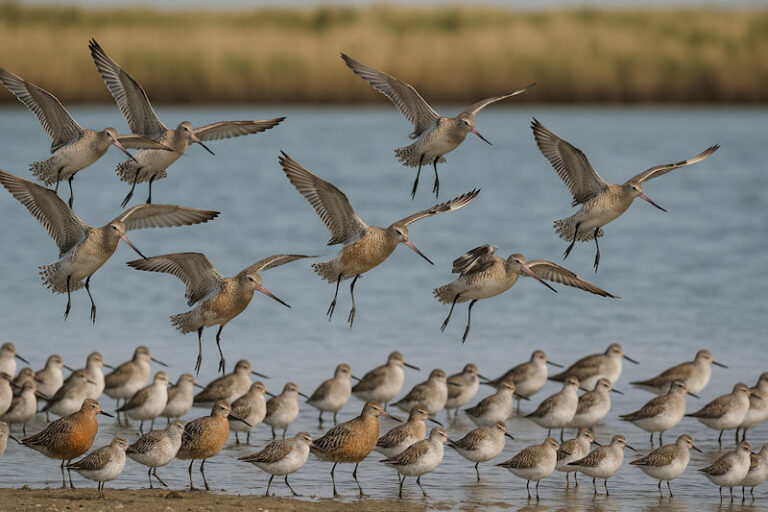
Birdwatching in dense forests offers a magical experience. From elusive ground-dwelling species to vibrant canopy birds, these habitats hold avian treasures that demand patience, precision, and the right technique. Mastering birding in such challenging environments can greatly enhance your success rate—and your enjoyment. Here are the best techniques to elevate your forest birdwatching adventures.
1. Start Early, Finish Late
In forested environments, light is a premium resource. Birds are most active during the early morning and late afternoon hours when temperatures are cooler, and light penetrates deeper into the undergrowth. Arrive before dawn to catch early singers and return in the golden hours before sunset.
2. Stay Silent and Still
Dense forests amplify sound and conceal movement. Avoid loud talking, rustling gear, or heavy footsteps. Stay still for extended periods in bird-rich areas—especially near fruiting trees or water sources. Patience often brings rare rewards.
3. Use Binoculars with Wide Field of View
In low light and narrow sightlines, high-magnification binoculars may hinder rather than help. Choose 8×42 binoculars with a wide field of view and excellent light transmission. Roof-prism designs are generally more compact and ideal for maneuvering through brush.
4. Master Bird Calls and Sounds
In dense cover, birds are often heard before they are seen. Learning to identify species by their calls and songs is essential. Use smartphone apps or portable audio devices with regional bird sound libraries. A parabolic microphone can help isolate calls in noisy forest environments.
5. Blend In with Neutral Clothing
Avoid bright colors and reflective gear. Wear greens, browns, and earth tones to minimize your presence. Camouflage patterns help, but scent and movement are even more important—stay clean, move slowly, and avoid strong-smelling repellents or colognes.
6. Track Movement Patterns
Birds in forests often move in mixed-species flocks, especially in the tropics. Listen for rustling or alarm calls, and track these flocks as they forage. Once you find a party, stay nearby and observe quietly. You’ll likely see multiple species in one encounter.
7. Use Elevated Trails and Ridges
Forest canopies can be hard to view from the ground. Look for trails that follow ridges or elevated paths, which give you a better vantage point. In rainforest regions, canopy walkways or observation towers are ideal for spotting arboreal species.
8. Employ Pishing and Playback Sparingly
Soft pishing sounds or playback of bird calls can draw curious birds closer, but use this ethically. Limit use to short bursts, avoid during nesting season, and never stress endangered or sensitive species. The goal is to observe, not disrupt.
9. Keep a Low-Tech Field Notebook
Record what you see and hear—time, weather, habitat, and behavior. This not only sharpens your skills but helps track seasonal changes and migration patterns. Your notes can be invaluable for local bird clubs and conservation efforts.
10. Join a Guided Walk
Local bird guides know where to find target species and how to navigate tricky terrain. Joining a guided forest walk can increase your success rate and offer safety, education, and camaraderie.
Final Thoughts
Dense forests may seem intimidating, but with the right preparation and respectful approach, they become one of the most rewarding places to birdwatch. Patience, silence, and a deep respect for nature will lead you to some of the world’s most beautiful and elusive avian species.
Related posts