Creating a bird-friendly backyard is not only a rewarding hobby—it’s also a powerful way to support local ecosystems. Whether you’re a nature enthusiast, an avid birdwatcher, or someone seeking a peaceful outdoor retreat, attracting native birds to your garden provides countless benefits. This guide offers practical, expert-backed tips to help transform your space into a haven for Australia’s unique birdlife.
1. Plant Native Flora
The foundation of a bird-friendly garden is native vegetation. Choose plant species indigenous to your region, as these provide food, shelter, and nesting opportunities that local birds rely on. Consider:
- Grevilleas and bottlebrushes (for nectar-feeding birds like honeyeaters)
- Acacias and wattles (for seed-eaters like finches)
- Dense shrubs and trees (for cover and nesting, e.g., lilly pillies, melaleucas)
Aim for a layered structure—ground covers, mid-level shrubs, and tall trees—to mimic natural bushland and cater to a wide variety of species.
2. Provide Clean Water
A reliable source of water is essential. Birdbaths, ponds, or shallow dishes placed in shaded areas allow birds to drink and bathe safely. For best results:
- Keep the water fresh and clean
- Elevate birdbaths to protect birds from predators
- Place near shrubs to give birds quick cover
During hot Australian summers, water becomes even more critical, so consider installing a small solar-powered fountain to keep water moving and fresh.
3. Avoid Chemicals
Pesticides, herbicides, and chemical fertilizers can harm birds directly or destroy their insect food sources. Choose organic gardening practices, mulch your garden naturally, and welcome beneficial insects like ladybirds and native bees that form part of the food web.
4. Install Nesting Boxes and Safe Habitats
Natural tree hollows are increasingly rare due to land clearing and urbanization. Installing nesting boxes provides essential breeding sites for species such as parrots, kookaburras, or pardalotes.
Tips:
- Use untreated timber
- Install boxes away from direct sun and heavy winds
- Match box dimensions to your target species
5. Offer Natural Food Sources
While it may be tempting to feed birds directly, doing so can lead to dependency and disease if not done properly. Instead, focus on growing food plants:
- Banksias and hakeas (nectar and seeds)
- Kangaroo grass (seeds for finches and doves)
- Fruit-bearing trees (like native figs for larger frugivores)
If supplementing with food, do so sparingly and hygienically, using appropriate feeders and natural ingredients.
6. Reduce Threats from Pets
Domestic cats are a major threat to bird populations. Keep cats indoors or use cat enclosures (catios) to protect both wildlife and your pet. Similarly, supervise dogs in the yard, especially if they have a high prey drive.
7. Be Patient and Observant
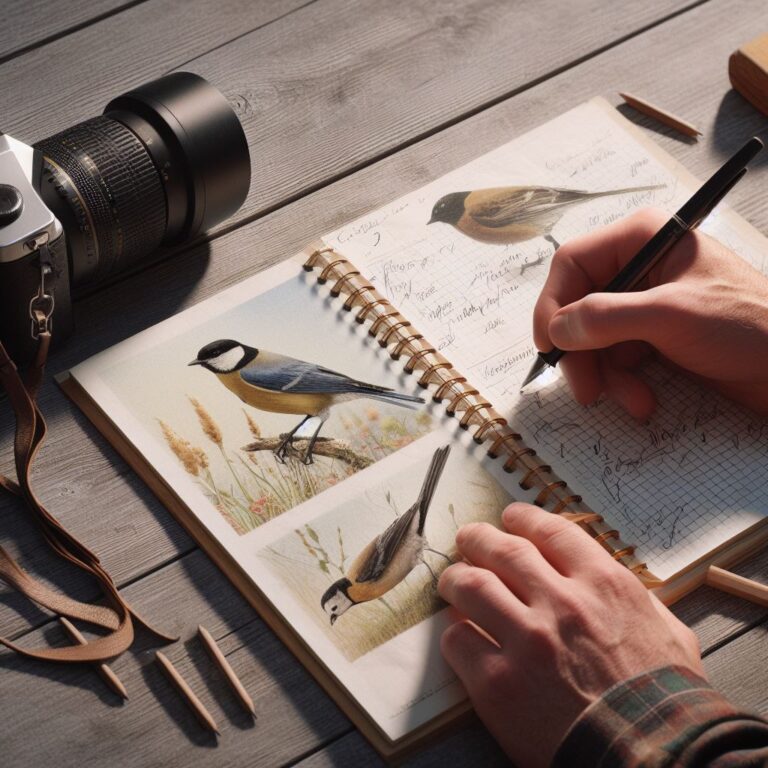
Birds are quick to discover safe, resource-rich gardens, but it may take time. Observe what species visit your area and adapt your planting or habitat features accordingly. Keep a journal or use birding apps like Merlin or Birds in Backyards to identify visitors and log sightings.
Final Thoughts
With the right balance of native plants, water, and safety, your backyard can become a vital refuge for birds—contributing to urban biodiversity while offering you the delight of daily wildlife encounters. Enhancing your garden for birds also creates a relaxing and restorative space for you and your family to enjoy year-round.
Related posts