Introduction
Dall’s porpoise, scientifically known as Phocoenoides dalli, is an intriguing marine mammal that captivates researchers and wildlife enthusiasts alike. Named after the renowned American naturalist W.H. Dall, this species is renowned for its distinct appearance and energetic behavior, making it a subject of interest in marine biology and ecology. Found primarily in the North Pacific, Dall’s porpoise is a remarkable example of adaptation to various oceanic conditions and plays a significant role in the marine ecosystem.
Dall’s porpoise is not only fascinating for its physical features but also for its elusive nature, which poses challenges and opportunities for scientific study. This article delves into various aspects of Dall’s porpoise, from its physical description and habitat to its behavior, diet, and conservation status. By understanding these elements, we can better appreciate the importance of protecting this unique species and the marine environments they inhabit.
Physical Description
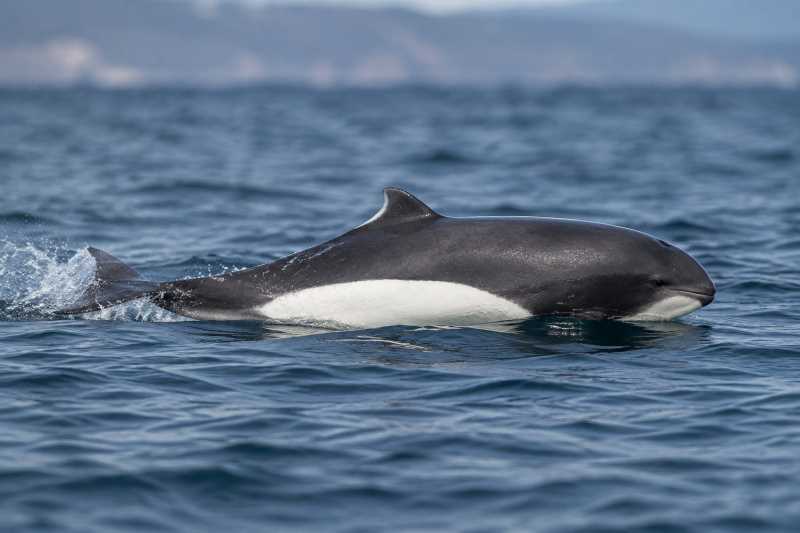
Dall’s porpoise is notable for its robust body and striking coloration. Adults typically measure between 1.8 to 2.0 meters (5.9 to 6.6 feet) in length and weigh between 130 to 220 kilograms (290 to 485 pounds). This species exhibits sexual dimorphism, with males generally being slightly larger than females. The distinctive black and white pattern of Dall’s porpoise resembles that of an orca, often leading to confusion during sightings. The body is predominantly black with white patches on the flank and belly, and a white-tipped dorsal fin and flippers.
The unique coloration serves multiple purposes, including camouflage from predators and communication with other porpoises. The dorsal fin is triangular and positioned mid-back, aiding in identification. Their small, rounded heads and lack of a pronounced beak differentiate them from dolphins. Dall’s porpoise also possesses small, spade-shaped teeth, which are adapted for their diet.
Range and Habitat
Dall’s porpoise inhabits the temperate and subarctic waters of the North Pacific Ocean. Their range extends from the southern coast of Japan and Korea in the west, across to the eastern coast of North America, including Alaska, British Columbia, and down to Baja California. They are commonly found in both offshore and coastal waters, often preferring deeper areas near continental shelves and slopes.
These porpoises thrive in cold, nutrient-rich waters, which support a diverse array of prey. Seasonal migrations are typical, with movements influenced by water temperature, prey availability, and breeding needs. In the summer months, they are often found in more northern waters, while winter may see them migrating southward.
Behavior and Diet
Dall’s porpoise is known for its energetic and playful behavior. They are fast swimmers, reaching speeds of up to 55 km/h (34 mph), and are often seen riding the bow waves of boats. This playful nature, combined with their speed, makes them a joy to observe in the wild. They are social animals, typically found in small groups, though larger aggregations may form in areas with abundant food.
Their diet primarily consists of small fish and squid, with preferences varying by region and season. Common prey includes anchovies, herring, hake, and various cephalopods. Dall’s porpoise uses echolocation to locate and capture prey, employing clicks and whistles to navigate and communicate.
Identification Tips (Field Recognition Cues)
Identifying Dall’s porpoise in the wild can be challenging due to their speed and the potential for confusion with other cetaceans. Here are some tips to help with accurate identification:
- Coloration: Look for the distinctive black and white pattern, with a striking white patch on the flank and belly.
- Dorsal Fin: Observe the triangular, white-tipped dorsal fin, which is positioned further back than in dolphins.
- Swimming Behavior: Note the high-speed swimming and tendency to ride bow waves, a behavior less common in other porpoids.
- Group Size: Dall’s porpoises are often seen in small groups of 2-10 individuals, although larger gatherings can occur.
Conservation Status (with Threats and Protections)
The conservation status of Dall’s porpoise is currently listed as Least Concern by the International Union for Conservation of Nature (IUCN). However, several threats pose challenges to their populations:
- Bycatch: Accidental capture in fishing gear, particularly in drift nets, is a significant threat.
- Pollution: Marine pollution, including plastic debris and chemical contaminants, affects their health and habitat quality.
- Climate Change: Changes in ocean temperature and prey distribution due to climate change may impact their feeding and migration patterns.
Efforts to protect Dall’s porpoise include regulations on fishing practices, marine protected areas, and international agreements to reduce bycatch. Continued research and monitoring are essential to ensure their long-term survival.
Frequently Asked Questions
What is Dall’s porpoise known for?
Dall’s porpoise is renowned for its speed and playful behavior. They are among the fastest swimmers in the cetacean family and are often seen riding the bow waves of boats, making them a favorite among marine wildlife observers.
Where can I see Dall’s porpoise?
Dall’s porpoise can be seen across the North Pacific Ocean, from the waters off Japan and Korea to the coasts of North America, including Alaska and British Columbia. They are often found in deeper waters near continental shelves.
How do Dall’s porpoises communicate?
Dall’s porpoises communicate using echolocation, which involves producing clicks and whistles to navigate, locate prey, and interact with other porpoises. This sophisticated communication system is crucial for their survival.
What threats do Dall’s porpoise face?
Major threats to Dall’s porpoise include bycatch in fishing gear, marine pollution, and the impacts of climate change on their habitat and prey availability. Conservation efforts are ongoing to mitigate these threats.
How can we help protect Dall’s porpoise?
Supporting sustainable fishing practices, reducing plastic pollution, and advocating for marine protected areas are vital actions individuals can take to help protect Dall’s porpoise and their habitat.
Related posts