Introduction
The Heart-nosed False-vampire, scientifically referred to as Cardioderma cor, is a fascinating species of bat that captivates researchers and nature enthusiasts alike. Known for its distinctively shaped nose, this mammal is an integral part of the ecosystems it inhabits. Despite its ominous name, the Heart-nosed False-vampire is not a bloodsucker but rather plays a crucial role in its habitat as a predator of insects. This article delves into the intricate details of the Heart-nosed False-vampire, exploring its physical characteristics, habitat, behavior, and more.
Physical Description
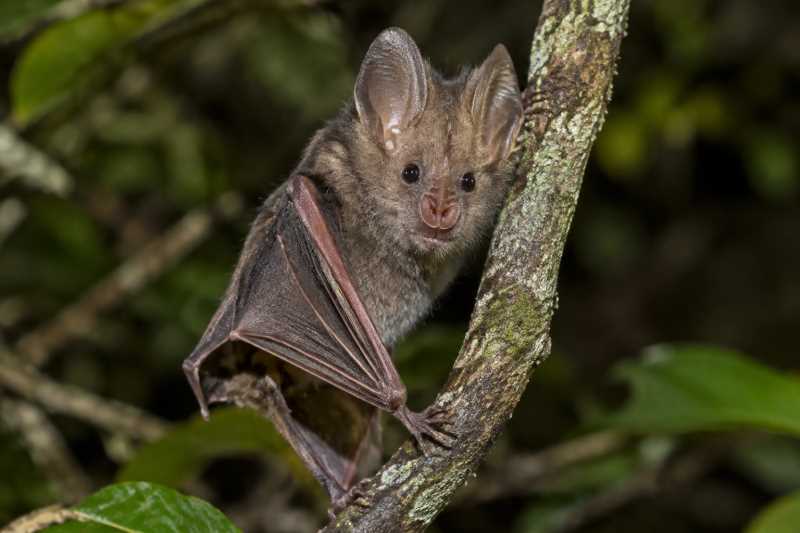
The Heart-nosed False-vampire is aptly named for its heart-shaped nose-leaf, a unique feature that sets it apart from other bat species. This nose-leaf is not merely for show; it plays a crucial role in the bat’s echolocation abilities, allowing it to navigate and hunt with precision. The bat’s fur is typically a grayish-brown color, providing camouflage against the bark of trees where it often rests. Adult Heart-nosed False-vampires have a wingspan ranging from 30 to 35 centimeters, with a body length of about 10 to 12 centimeters. Their large ears are another notable feature, contributing to their acute hearing capabilities.
Range and Habitat
The Heart-nosed False-vampire is primarily found in the eastern regions of Africa, with a range that includes countries such as Tanzania, Kenya, and Mozambique. This species inhabits a variety of environments, from dry savannahs to moist tropical forests, showcasing its adaptability. Within these habitats, the bats prefer to roost in hollow trees, caves, and occasionally abandoned buildings. Their choice of roosting sites is influenced by the availability of prey and protection from predators.
Behavior and Diet
The Heart-nosed False-vampire is a nocturnal creature, emerging at dusk to hunt for food. Unlike its namesake, this bat does not feed on blood. Instead, it has a diverse diet consisting mainly of insects and small vertebrates. Its hunting technique is a remarkable display of agility and precision, using echolocation to detect prey in complete darkness. This species is known for its solitary behavior, although it occasionally forms small groups when roosting.
Identification Tips (Field Recognition Cues)
Identifying the Heart-nosed False-vampire in the field can be challenging, but several cues can aid in recognition:
- Heart-shaped Nose-leaf: The most distinctive feature, this nose-leaf is a key identifier.
- Large Ears: Their oversized ears relative to body size are indicative of their reliance on echolocation.
- Fur Coloration: Look for the grayish-brown fur that blends with tree bark.
- Flight Pattern: Observe their agile and swift flight, often close to the ground or vegetation.
Conservation Status (With Threats and Protections)
As of the latest assessments, the Heart-nosed False-vampire is classified as "Least Concern" by the IUCN Red List. However, this does not mean the species is free from threats. Habitat destruction due to deforestation and agricultural expansion poses significant risks. Additionally, the use of pesticides reduces their prey availability. Conservation efforts are focused on habitat protection and encouraging practices that minimize human-wildlife conflict. Establishing protected areas and promoting research are vital strategies in ensuring the species’ longevity.
Frequently Asked Questions
What is the diet of the Heart-nosed False-vampire? The Heart-nosed False-vampire primarily feeds on insects and small vertebrates, using its echolocation skills to hunt at night.
Where can the Heart-nosed False-vampire be found? This species is native to eastern Africa, commonly found in Tanzania, Kenya, and Mozambique, inhabiting savannahs and tropical forests.
Why is it called a "False-vampire"? The term "False-vampire" refers to its non-bloodsucking diet, distinguishing it from true vampire bats that feed on blood.
How does the Heart-nosed False-vampire use echolocation? The bat uses echolocation by emitting sound waves through its nose-leaf and listening for the echoes to navigate and locate prey.
What conservation measures are in place for this species? Conservation efforts include habitat protection, research, and promoting sustainable agricultural practices to reduce habitat loss.
Related posts