Introduction
The Cozumelan Golden Bat, scientifically known as Mimon cozumelae, is a fascinating member of the family Phyllostomidae. This species is part of the leaf-nosed bats, which are distinguished by their unique noseleaf structure. The Cozumelan Golden Bat is primarily found in the tropical and subtropical regions of Central America. Despite its small size, this bat plays a significant role in the ecosystem as both a pollinator and a pest controller. In this article, we will explore the various facets of this intriguing mammal, from its physical characteristics to its conservation status.
Physical Description
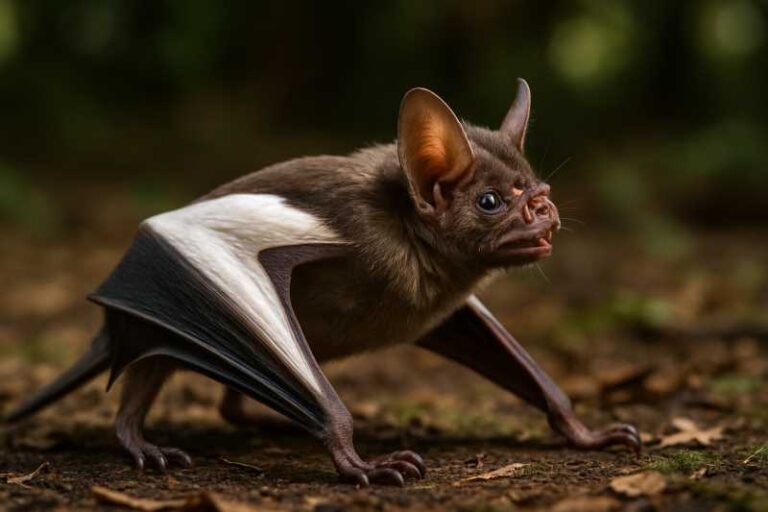
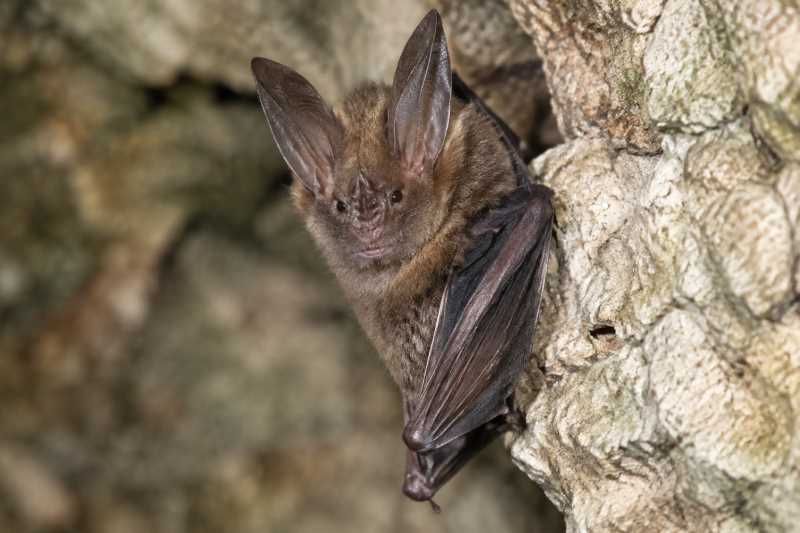
Cozumelan Golden Bats are medium-sized leaf-nosed bats, with a body length ranging between 50 to 65 mm. They weigh approximately 10 to 15 grams, making them relatively light and agile flyers. One of their most distinguishing features is their golden-brown fur, which gives them their name. The fur is denser and slightly longer around the neck and head, providing a contrast to their paler underbelly.
Their noseleaf is a prominent feature, resembling a small spearhead, which aids them in echolocation. The ears are relatively large and rounded, with a tragus that is long and pointed, contributing to their acute sense of hearing. Their wings are broad and adapted for maneuvering through dense forest canopies.
Range and Habitat
The Cozumelan Golden Bat is native to the Central American region, with its population primarily concentrated in Mexico, Belize, and parts of Guatemala and Honduras. These bats thrive in lowland tropical forests, often inhabiting areas that are rich in biodiversity. They can be found roosting in caves, hollow trees, and sometimes in man-made structures like abandoned buildings.
Their habitat preference is closely tied to areas that provide ample food resources and shelter. The proximity to water sources such as rivers and streams is crucial, as these areas tend to attract a plethora of insects, which form a significant part of their diet.
Behavior and Diet
The Cozumelan Golden Bat is nocturnal, spending its days roosting and becoming active at dusk. Their social structure is relatively complex, often forming small colonies that consist of a few dozen individuals. These bats are highly vocal, using a range of sounds for communication within their colonies.
Their diet primarily consists of insects, making them insectivorous by nature. They play a vital role in controlling insect populations, particularly mosquitoes and other flying pests. Additionally, they are known to consume small fruits and nectar, contributing to plant pollination and seed dispersal.
Identification Tips (Field Recognition Cues)
When trying to identify the Cozumelan Golden Bat in the field, there are several key features to look for:
- Fur Coloration: Look for the distinctive golden-brown fur that covers the majority of their body, with lighter tones on the underbelly.
- Noseleaf Structure: Their unique spearhead-shaped noseleaf is a crucial identification marker.
- Ear Shape: Large, rounded ears with a pointed tragus are characteristic of this species.
- Size and Weight: They are medium-sized among bats, with a body length of 50 to 65 mm and a weight of 10 to 15 grams.
- Flight Pattern: Observe their flight, which is typically swift and agile, allowing them to navigate through dense vegetation.
Conservation Status (with Threats and Protections)
The Cozumelan Golden Bat is currently listed as a species of Least Concern by the International Union for Conservation of Nature (IUCN). However, like many bat species, they face several threats that could impact their populations if not managed effectively.
Threats
- Habitat Destruction: Deforestation and land conversion for agriculture and urbanization pose significant threats to their natural habitats.
- Pollution: Pesticide use can reduce their food supply and poison individuals through the food chain.
- Climate Change: Alterations in climate can affect their habitats and food availability.
Protections
Efforts to protect the Cozumelan Golden Bat involve habitat conservation and legal protections. Several Central American countries have established protected areas to conserve tropical forests. Additionally, environmental organizations are working to raise awareness about the importance of bats in ecosystems.
Frequently Asked Questions
What is the primary diet of the Cozumelan Golden Bat? The Cozumelan Golden Bat primarily feeds on insects, including mosquitoes and other flying pests, but they also consume small fruits and nectar.
Where can I find Cozumelan Golden Bats? These bats are typically found in lowland tropical forests across Central America, particularly in Mexico, Belize, and parts of Guatemala and Honduras.
How does the Cozumelan Golden Bat contribute to the ecosystem? They play a crucial role in controlling insect populations and also contribute to pollination and seed dispersal, supporting biodiversity.
What are the main threats to the Cozumelan Golden Bat? The main threats include habitat destruction, pollution from pesticides, and the impacts of climate change.
Are Cozumelan Golden Bats protected by any laws? Yes, they are protected through habitat conservation efforts and legal measures in several Central American countries.
Related posts