Kha-nyou (Laonastes aenigmamus): An Enigmatic Mammal Rediscovered
Introduction
The Kha-nyou, scientifically known as Laonastes aenigmamus, is a fascinating rodent that captured the attention of the scientific world when it was rediscovered in the early 21st century. Initially thought to be extinct for millions of years, this "living fossil" provides a unique glimpse into the evolutionary history of mammals. Native to Laos, the Kha-nyou is a member of the family Diatomyidae, a group previously known only from fossils. Its rediscovery has not only enriched our understanding of biodiversity but has also highlighted the importance of conserving lesser-known species and their habitats.
Physical Description
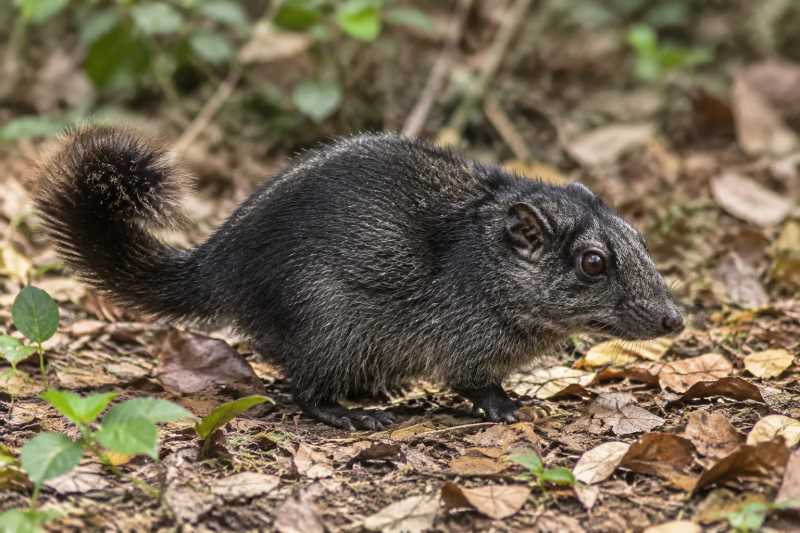
The Kha-nyou is a medium-sized rodent, characterized by its distinctive anatomical features that set it apart from other rodents. It has a long, bushy tail, similar to that of a squirrel, which aids in balance and agility. Its fur is a combination of gray and brown, providing effective camouflage against the rocky and forested environments it inhabits.
One of the most notable features of the Kha-nyou is its head structure. It possesses a long, pointed snout and large, sensitive whiskers that help it navigate its surroundings. The eyes are relatively large, suggesting that it may be adapted to nocturnal or crepuscular activity. The limbs are strong and equipped with sharp claws, which are likely used for digging and climbing.
The Kha-nyou’s dental structure is also of significant interest. Unlike most rodents, it has a unique arrangement of teeth that resemble those of early mammalian ancestors, further cementing its status as a "living fossil."
Range and Habitat
The Kha-nyou is endemic to the limestone karst regions of Laos, specifically within the Annamite Range. These rugged landscapes are characterized by steep cliffs, caves, and dense forests, providing a complex and challenging environment for the species. The karst habitat is rich in biodiversity but is also highly sensitive to environmental changes and human activities.
Within its range, the Kha-nyou prefers areas with abundant rock crevices and dense undergrowth, which offer protection from predators and harsh weather conditions. The availability of food resources, such as seeds, leaves, and small invertebrates, also plays a crucial role in determining their habitat preferences.
Behavior and Diet
The Kha-nyou is a nocturnal creature, primarily active during the night when it forages for food. Its diet is omnivorous, consisting of a variety of plant materials, such as seeds, fruits, and leaves, as well as small insects and other invertebrates. This dietary flexibility allows the Kha-nyou to adapt to the seasonal availability of resources in its environment.
Socially, the Kha-nyou is believed to be solitary or to live in small family groups. Little is known about their reproductive behavior, but it is assumed to be similar to other rodents, with a gestation period followed by the birth of altricial young. Communication between individuals likely involves vocalizations and scent marking, although further research is needed to understand these behaviors fully.
Identification Tips
Identifying the Kha-nyou in the field can be challenging due to its elusive nature and the remote regions it inhabits. However, there are several cues that can assist in recognition:
- Tail: Look for a long, bushy tail, which is a distinctive feature of the Kha-nyou.
- Fur Color: The combination of gray and brown fur provides camouflage in rocky environments.
- Snout and Whiskers: The long, pointed snout and prominent whiskers are characteristic of the species.
- Size: It is medium-sized, typically larger than a rat but smaller than a squirrel.
- Habitat: Focus on limestone karst areas with abundant crevices and forest cover.
Conservation Status
The Kha-nyou is currently classified as "Data Deficient" by the International Union for Conservation of Nature (IUCN). This classification reflects the limited information available about its population size, distribution, and ecological requirements. However, the species faces several threats that could impact its survival.
Threats
- Habitat Destruction: The limestone karst regions of Laos are threatened by deforestation, mining, and agricultural expansion, which can degrade or destroy critical habitats.
- Hunting and Trapping: Local communities may hunt or trap the Kha-nyou for food or trade, although the extent of this threat is not well-documented.
- Climate Change: Shifts in climate patterns could alter the availability of food resources and suitable habitats.
Protections
Efforts to protect the Kha-nyou and its habitat include:
- Protected Areas: Some regions within its range are designated as protected areas, offering a degree of legal protection against land conversion and hunting.
- Research Initiatives: Ongoing research aims to gather more data on the species’ ecology and behavior, which can inform conservation strategies.
- Community Engagement: Involving local communities in conservation efforts can help reduce hunting pressures and promote sustainable land use practices.
Frequently Asked Questions
What is a Kha-nyou and why is it significant?
The Kha-nyou (Laonastes aenigmamus) is a rodent species rediscovered in Laos. It is significant because it belongs to a family once thought extinct, offering insights into mammalian evolution.
Where can the Kha-nyou be found?
The Kha-nyou is found in the limestone karst regions of the Annamite Range in Laos. These areas are characterized by rugged terrain and dense forests.
How does the Kha-nyou adapt to its environment?
The Kha-nyou adapts to its environment through its nocturnal lifestyle, omnivorous diet, and physical features like a bushy tail and sharp claws for climbing and digging.
What threats does the Kha-nyou face?
Major threats to the Kha-nyou include habitat destruction due to mining and agriculture, hunting, and potential impacts of climate change.
How can the Kha-nyou be protected?
Protection efforts include establishing protected areas, conducting research to better understand its needs, and engaging local communities in conservation initiatives.
Related posts