An In-depth Look at the Black-tailed Cisticola (Cisticola melanurus)
The Black-tailed Cisticola (Cisticola melanurus) is a captivating avian species that belongs to the family Cisticolidae. Known for its distinctive tail and melodious calls, this bird is a fascinating subject for ornithologists and bird enthusiasts alike. In this article, we will explore the various aspects of the Black-tailed Cisticola, including its taxonomy, morphology, behavior, habitat, conservation status, and its significance within the ecosystem.
Taxonomy and Classification
The Black-tailed Cisticola is scientifically classified under the genus Cisticola, which comprises small passerine birds commonly referred to as cisticolas or tailorbirds. The species name "melanurus" is derived from Greek, meaning "black tail," which is a defining characteristic of this bird. The Cisticolidae family is known for its diverse range of species, with over 45 species identified within the genus Cisticola alone.
Morphological Features
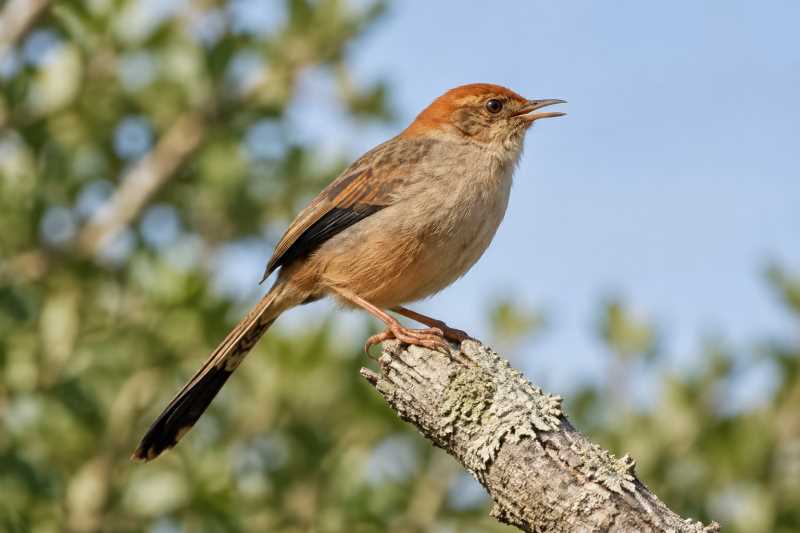
One of the most distinguishing features of the Black-tailed Cisticola is its black tail, which contrasts sharply with its otherwise brown and buff plumage. The bird has a small, round body, measuring approximately 10-12 cm in length. It boasts a fine, pointed bill adapted for its insectivorous diet. The plumage varies slightly depending on the season, with breeding individuals displaying more vibrant tones.
The wings of the Black-tailed Cisticola are short and rounded, facilitating agile flight through dense vegetation. Its legs are relatively long, enabling it to navigate through tall grasses with ease. The bird’s overall appearance provides excellent camouflage in its natural habitat, helping it avoid predators.
Behavior and Vocalization
The Black-tailed Cisticola is renowned for its vocal abilities. Its song is a series of high-pitched trills and whistles, often delivered in a repetitive pattern. During the breeding season, the male’s song becomes more pronounced and frequent as it establishes territory and attracts a mate. These vocalizations also play a crucial role in communication between individuals, especially in dense habitats where visibility is limited.
In terms of behavior, the Black-tailed Cisticola is an active and agile bird. It frequently flicks its tail, a behavior thought to be related to communication and mate attraction. These birds are typically seen in pairs or small family groups, particularly during the breeding season.
Habitat and Distribution
The Black-tailed Cisticola is primarily found in sub-Saharan Africa, where it inhabits a range of grassland ecosystems. Its preferred habitats include savannas, open fields, and marshy areas with abundant tall grasses. The bird’s distribution is widespread across the continent, with populations found in countries such as Kenya, Tanzania, South Africa, and Uganda.
Adaptability is a hallmark of the Black-tailed Cisticola, which can thrive in various environmental conditions. However, it shows a preference for areas with sufficient cover, which provide both protection from predators and ample food resources.
Diet and Feeding Habits
This species is predominantly insectivorous, feeding on a diet that includes ants, beetles, caterpillars, and other small invertebrates. The Black-tailed Cisticola uses its sharp bill to expertly extract prey from vegetation. Occasionally, it may also consume seeds and plant material, particularly during periods of food scarcity.
Foraging typically occurs close to the ground, with the bird using its agility to navigate through grasses and foliage. It employs a combination of visual cues and acute hearing to locate prey, often capturing insects in mid-flight.
Breeding and Reproduction
The breeding season of the Black-tailed Cisticola coincides with the wet season, a time when food resources are plentiful. Males engage in elaborate displays to attract females, showcasing their vocal abilities and impressive aerial maneuvers.
Nesting occurs in dense grass, where the female constructs a small, well-hidden cup-shaped nest. The nest is often intricately woven using grasses and lined with softer materials. Clutch size typically ranges from two to four eggs, which are incubated solely by the female. After hatching, both parents share the responsibility of feeding and caring for the chicks.
Conservation Status and Threats
Currently, the Black-tailed Cisticola is listed as a species of "Least Concern" by the International Union for Conservation of Nature (IUCN). This status is largely due to its wide distribution and stable population numbers. However, habitat destruction and degradation pose potential threats to the species, particularly in regions where grasslands are being converted for agricultural purposes.
Conservation efforts are essential to ensure the continued survival of the Black-tailed Cisticola and its habitat. Protecting natural grasslands and promoting sustainable land-use practices are crucial steps in preserving this species for future generations.
Ecological Significance
The Black-tailed Cisticola plays a vital role in its ecosystem, contributing to insect population control and serving as a prey species for larger predators. Its presence indicates a healthy grassland ecosystem, and its behavior and vocalizations add to the biodiversity of its habitat.
Conclusion
The Black-tailed Cisticola is a remarkable bird with unique characteristics and behaviors that make it a significant subject of study. Understanding its ecology, behavior, and conservation needs is crucial for ensuring its continued existence. As we strive to protect and preserve the world’s biodiversity, the Black-tailed Cisticola serves as a reminder of the intricate connections within our natural world.
By appreciating and conserving the habitats of species like the Black-tailed Cisticola, we can contribute to the overall health and sustainability of our planet’s ecosystems.
Related posts