Eastern Shriketit (Falcunculus frontatus): A Comprehensive Overview
Introduction
The Eastern Shriketit (Falcunculus frontatus) is a unique and fascinating bird native to Australia. Recognized for its striking appearance and distinctive vocalizations, this species plays an integral role in the ecological tapestry of its habitat. This article delves into the various aspects of the Eastern Shriketit’s life, including its taxonomy, physical characteristics, habitat, behavior, diet, and conservation status.
Taxonomy and Classification
The Eastern Shriketit belongs to the family Pachycephalidae, which includes a diverse range of songbirds. The genus Falcunculus, to which it belongs, is remarkable for its distinctive members who share a common ancestry with whistlers and shrike-thrushes. The species name ‘frontatus’ highlights the prominent forehead markings characteristic of this bird.
Physical Characteristics
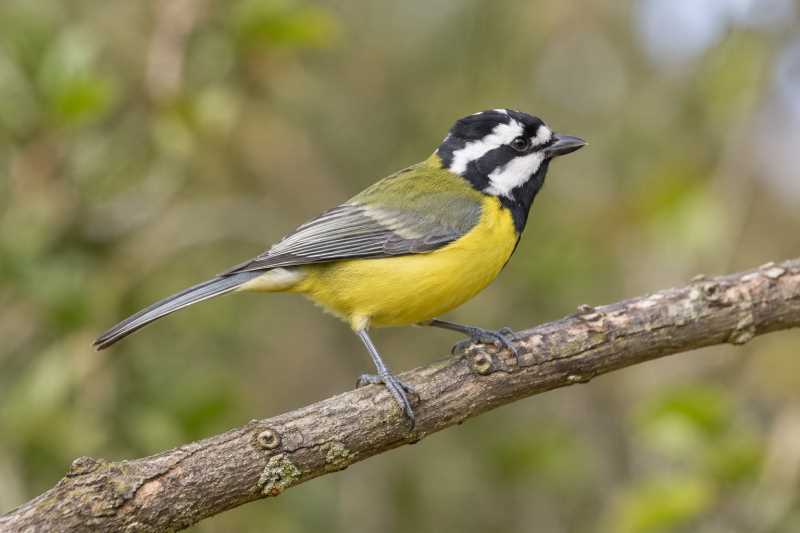
The Eastern Shriketit is renowned for its robust and compact body. It typically measures between 16 to 19 centimeters in length, with a wingspan of approximately 25 to 30 centimeters. One of the most striking features of this bird is its powerful, hooked bill, which it uses adeptly to forage for insects and other small prey. The plumage of the Eastern Shriketit is primarily olive-green with a distinctive black band across the forehead, giving it a masked appearance. Its underparts are pale, often with subtle streaks, and its wings are adorned with hints of yellow or olive.
Habitat and Distribution
The Eastern Shriketit is predominantly found in the eastern regions of Australia, ranging from Queensland to Victoria. It thrives in a variety of wooded environments, including eucalyptus forests, woodlands, and even well-vegetated suburban areas. The bird’s preference for dense foliage is linked to its feeding habits and nesting behaviors, as these environments provide ample food sources and protection from predators.
Behavior and Ecology
This species exhibits a range of intriguing behaviors. Notably, the Eastern Shriketit is a solitary bird, although it may occasionally be observed in pairs. Its foraging technique is unique; it uses its strong bill to pry bark from trees in search of insects and larvae. The bird’s vocalizations are another distinctive aspect, characterized by a series of melodious whistles and calls, which play a crucial role in territory establishment and mate attraction.
Diet and Feeding Habits
The Eastern Shriketit primarily feeds on insects, making it an essential player in controlling insect populations within its habitat. Its diet includes beetles, caterpillars, spiders, and occasionally small vertebrates. The bird’s foraging strategy involves a combination of gleaning from foliage and bark, as well as aerial sallies to capture prey in flight.
Reproductive Behavior
Breeding occurs during the spring and summer months, with the Eastern Shriketit building its nest in the fork of a tree or shrub. The nest is typically a cup-shaped structure made from bark strips, grass, and other plant materials, bound together with spider silk. Females lay a clutch of two to three eggs, which are incubated for about two weeks. Both parents participate in feeding the fledglings, ensuring a higher survival rate for the young.
Conservation and Threats
Currently, the Eastern Shriketit is not listed as endangered; however, habitat destruction poses a significant threat to its populations. Urbanization, logging, and agricultural expansion have resulted in substantial habitat loss. Conservation efforts are focused on preserving natural habitats and ensuring sustainable land use practices to protect this species and its ecosystem.
Conclusion
The Eastern Shriketit is a remarkable bird that captivates ornithologists and birdwatchers alike with its distinctive appearance and behaviors. Understanding the ecological role and challenges faced by this species is crucial for its conservation. By fostering awareness and promoting habitat preservation, we can ensure that future generations will continue to enjoy the presence of the Eastern Shriketit in Australia’s diverse avian community.
References
- Higgins, P. J., & Peter, J. M. (Eds.). (2002). Handbook of Australian, New Zealand & Antarctic Birds, Volume 6: Pardalotes to Shrike-thrushes. Oxford University Press.
- Simpson, K., & Day, N. (2010). Field Guide to the Birds of Australia. Penguin Books Australia.
- BirdLife International (2021). "Falcunculus frontatus". The IUCN Red List of Threatened Species 2021.
Related posts