The Silver-rumped Spinetail: Aerial Acrobat of the Rainforest Canopy
The Silver-rumped Spinetail (Rhaphidura leucopygialis) is a captivating bird species that graces the skies of Southeast Asia’s lush rainforests. Known for its swift flight and distinctive appearance, this bird is a fascinating subject for ornithologists and birdwatchers alike. In this article, we delve into the unique characteristics, habitat, behavior, and conservation status of this remarkable avian species.
Taxonomy and Identification
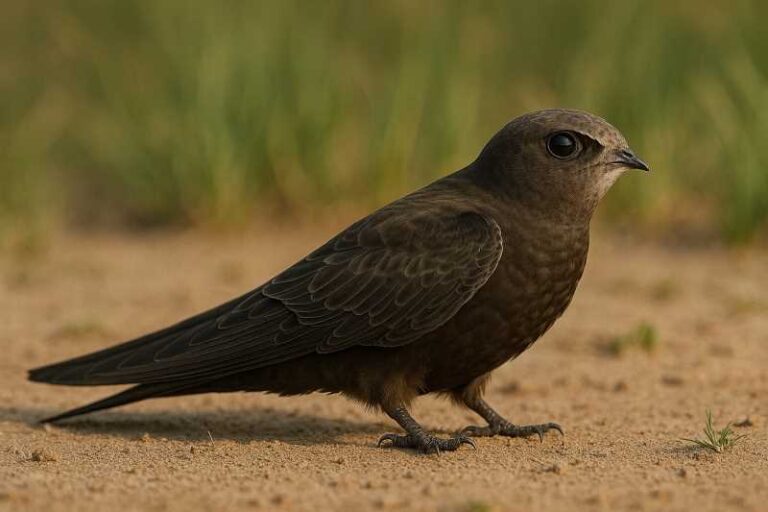
Belonging to the family Apodidae, the Silver-rumped Spinetail is a member of a group commonly known as swifts. Its binomial name, Rhaphidura leucopygialis, reflects its most striking feature—a conspicuous white rump patch that stands out against its otherwise dark plumage. This feature is particularly useful in field identification, as it makes the bird easily distinguishable from other swift species. The spinetail measures approximately 15 centimeters in length, with a wingspan ranging from 35 to 40 centimeters, making it a moderately sized swift.
The bird’s plumage is predominantly blackish-brown, with a glossy sheen that can appear iridescent in sunlight. Its wings are long and scythe-like, adapted for rapid and agile flight. The tail is short and slightly forked, a characteristic that aids in its dynamic aerial maneuvers.
Habitat and Distribution
The Silver-rumped Spinetail is primarily found in the tropical rainforests of Southeast Asia, with its range extending from southern Thailand, through Malaysia, to the islands of Borneo and Sumatra. It prefers lowland and hill forests, often near rivers and other water bodies, which provide abundant insect prey.
These birds are highly adapted to life in the canopy, where they spend most of their time on the wing. Their aerial skills allow them to navigate through the dense foliage and capture insects mid-flight, a testament to their evolutionary specialization.
Behavior and Ecology
As is typical of swifts, the Silver-rumped Spinetail is almost exclusively aerial. It feeds on a diet of flying insects, which it catches with its wide, gaping mouth. This constant flight lifestyle means the bird has evolved to have strong, efficient wings and a lightweight body, minimizing energy expenditure while maximizing speed and agility.
One of the most intriguing aspects of the Silver-rumped Spinetail’s behavior is its communal roosting habits. At dusk, these birds gather in large flocks, performing spectacular aerial displays before settling for the night. They often roost in tree hollows or caves, taking advantage of the safety these locations provide from predators.
During the breeding season, which coincides with the rainy season, pairs engage in elaborate courtship flights. Nesting typically occurs in tree cavities, where the female lays a small clutch of eggs. Both parents share the responsibilities of incubation and feeding the chicks, displaying strong parental investment.
Conservation Status and Threats
Currently, the Silver-rumped Spinetail is classified as Least Concern by the International Union for Conservation of Nature (IUCN). However, like many rainforest species, it faces threats from habitat destruction due to logging and agricultural expansion. The loss of mature forest habitats can have detrimental effects on their population, as it reduces the availability of suitable nesting and foraging sites.
Conservation efforts for the Silver-rumped Spinetail focus on preserving its natural habitat. Protected areas and national parks in regions like Borneo and Sumatra play crucial roles in safeguarding these birds. Moreover, community-based conservation initiatives that promote sustainable land use practices are essential for maintaining the ecological integrity of the rainforests.
Conclusion
The Silver-rumped Spinetail is a remarkable example of avian adaptation and specialization. Its life on the wing, characterized by swift, agile flight and communal roosting habits, makes it a unique component of the Southeast Asian rainforest ecosystem. While currently not endangered, continued efforts to protect its habitat are vital to ensure that future generations can witness the aerial acrobatics of this fascinating bird.
As we deepen our understanding of species like the Silver-rumped Spinetail, we not only enrich our knowledge of the natural world but also reinforce the importance of conserving the diverse ecosystems that support such incredible biodiversity. By prioritizing conservation, we can help ensure that these avian marvels continue to grace our skies for years to come.
Related posts