Olive-crowned Crescentchest: A Jewel of the Neotropics
Introduction
The Olive-crowned Crescentchest (Melanopareia maximiliani) is a captivating bird species that thrives in the lush thickets and scrublands of South America. Known for its striking plumage and melodious song, this bird is an emblem of the diverse avian life that flourishes in the Neotropics. Despite its modest size, the Olive-crowned Crescentchest holds significant interest for ornithologists and bird enthusiasts alike, not only for its aesthetic appeal but also for its ecological significance and the challenges it faces in its natural habitat.
Taxonomy and Nomenclature
The Olive-crowned Crescentchest belongs to the family Melanopareiidae, a group that is relatively small yet distinct in the avian world. The genus Melanopareia comprises four known species, each characterized by their unique vocalizations and habitat preferences. The species name ‘maximiliani’ honors Prince Maximilian of Wied-Neuwied, a German explorer and naturalist whose contributions to the study of South American wildlife have been invaluable.
Physical Characteristics
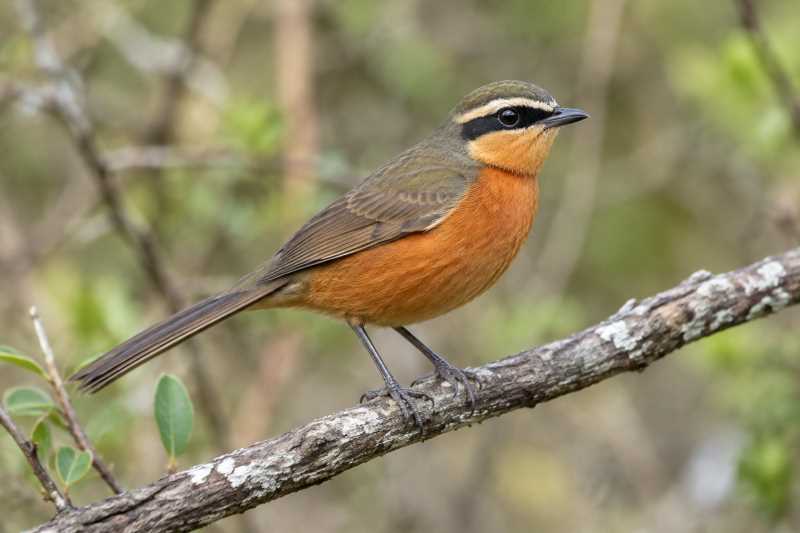
The Olive-crowned Crescentchest is a medium-sized bird, measuring approximately 15 to 18 centimeters in length. Its most distinctive feature is the crescent-shaped marking on its chest, from which it derives its common name. The bird’s plumage is a harmonious blend of olive-green and brown, with a notable olive crown that gives it a unique appearance. The subtle yet vibrant coloration provides effective camouflage against the dense vegetation of its habitat.
Vocalizations
One of the most captivating aspects of the Olive-crowned Crescentchest is its rich vocal repertoire. The bird’s song is a series of melodious whistles and trills, often described as hauntingly beautiful. These vocalizations play a crucial role in territory establishment and mate attraction, and they contribute significantly to the bird’s charm among birdwatchers and researchers.
Habitat and Distribution
The Olive-crowned Crescentchest is native to the dry forests and scrublands of South America, with its range extending across Bolivia, Brazil, and Paraguay. The bird prefers habitats characterized by dense understory vegetation, where it can forage for insects and small arthropods. This preference for specific habitat types makes the Olive-crowned Crescentchest vulnerable to habitat loss due to deforestation and agricultural expansion.
Behavior and Ecology
The Olive-crowned Crescentchest is primarily insectivorous, feeding on a diet of insects and other small invertebrates. It employs a foraging strategy that involves gleaning prey from foliage and the forest floor. The bird is generally solitary or found in pairs, and it exhibits territorial behavior, often defending its territory through vocal displays.
Breeding and Reproduction
Breeding behavior in the Olive-crowned Crescentchest is marked by elaborate courtship displays, which include vocalizations and physical displays by the male to attract a mate. Nesting typically occurs in dense shrubbery, where the female lays a clutch of two to three eggs. Both parents participate in incubating the eggs and feeding the chicks, showcasing a cooperative breeding strategy that enhances the survival chances of the offspring.
Conservation Status
The Olive-crowned Crescentchest is currently listed as Least Concern by the International Union for Conservation of Nature (IUCN). However, the species faces threats from habitat destruction and fragmentation. Conservation efforts are crucial to ensure the preservation of its natural habitats and to mitigate the impacts of human activities on its population.
The Role of the Olive-crowned Crescentchest in Ecosystems
As an insectivorous bird, the Olive-crowned Crescentchest plays a vital role in controlling insect populations, contributing to the ecological balance of its habitat. Its presence indicates healthy, biodiverse ecosystems, and serves as a bioindicator for environmental changes.
Conclusion
The Olive-crowned Crescentchest is a remarkable species that embodies the beauty and complexity of the Neotropical ecosystems. Its vibrant plumage, enchanting song, and ecological role make it a subject of fascination and importance in avian studies. Protecting this species and its habitat is essential for maintaining biodiversity and the health of the ecosystems it inhabits.
Efforts to conserve the Olive-crowned Crescentchest involve not only protecting its natural habitats but also raising awareness about the ecological significance of this and other Neotropical bird species. Through research and conservation initiatives, we can ensure that future generations will continue to experience the wonder of the Olive-crowned Crescentchest in the wild.
References
- BirdLife International (2021). "Melanopareia maximiliani". The IUCN Red List of Threatened Species 2021.
- Ridgely, R. S., & Tudor, G. (1994). "The Birds of South America: Volume 2: The Suboscine Passerines."
- Parker, T. A., Stotz, D. F., & Fitzpatrick, J. W. (1996). "Ecological and Distributional Databases of Neotropical Birds."
This article provides a comprehensive overview of the Olive-crowned Crescentchest, highlighting its physical characteristics, habitat, behavior, and conservation status. The bird’s role in the ecosystem and the importance of preserving its habitat are discussed, emphasizing the need for continued research and conservation efforts.
Related posts