The Raiatea Fruit Dove: A Jewel of the Pacific’s Avian World
Nestled among the lush landscapes of French Polynesia’s Society Islands, the Raiatea Fruit Dove, scientifically known as Ptilinopus chrysogaster, stands as an emblem of avian beauty and ecological significance. This vibrantly colored bird, with its unique presence and critical conservation status, underscores the delicate balance of island ecosystems and the ongoing efforts required to preserve them.
A Vibrant Palette of Nature
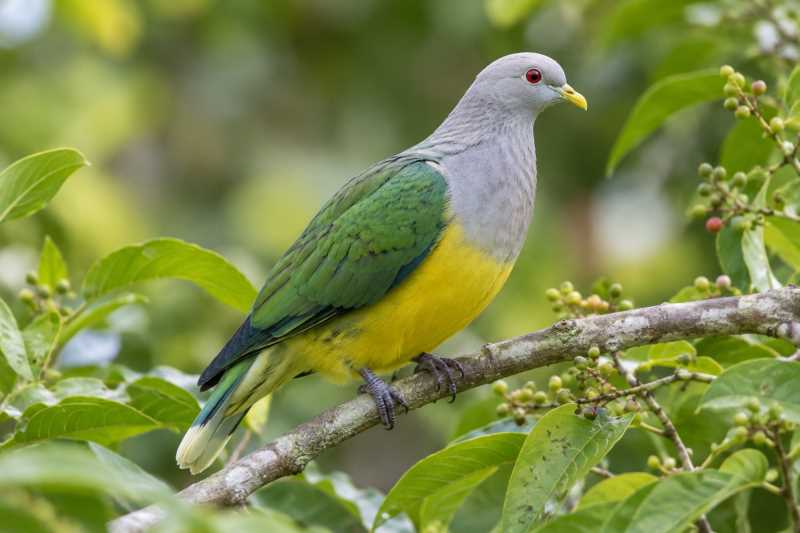
The Raiatea Fruit Dove is renowned for its striking plumage, which serves as both a marvel of nature and a testament to the island’s rich biodiversity. Its feathers display a dazzling array of colors: a predominantly olive-green body contrasted with a bright yellow belly and a striking orange cap. This colorful display not only makes it a standout among birds but also serves a practical purpose in its habitat.
These doves are frugivorous, primarily feeding on the abundant fruits available in their habitat. Their vivid coloration allows them to blend seamlessly into the canopy of fruit-laden trees, providing them with a stealthy advantage against predators while they forage.
Habitat and Distribution
Raiatea Fruit Doves are endemic to the Society Islands, with their presence predominantly recorded on Raiatea, Taha’a, and Huahine. These islands offer a mosaic of tropical forests that provide both food resources and nesting sites for the doves.
The habitat of the Raiatea Fruit Dove is primarily characterized by lowland rainforests and montane forests. These environments not only support the doves’ dietary needs but also play a significant role in the broader ecological framework, supporting a myriad of other species that contribute to the islands’ biodiversity.
A Critical Conservation Status
Despite their enchanting presence, Raiatea Fruit Doves face significant threats that have led to their classification as Near Threatened by the International Union for Conservation of Nature (IUCN). The primary challenges include habitat loss due to deforestation, invasive species, and climate change.
Deforestation, driven by agricultural expansion and urban development, has led to the fragmentation of their native habitat. This fragmentation not only reduces the available space for the doves to live and breed but also affects the availability of their food sources.
Invasive species, such as rats and feral cats, pose another significant threat. These predators are notorious for preying on the eggs and young of ground-nesting birds, leading to a decline in the dove populations.
Conservation Efforts and Future Prospects
Conservationists have recognized the urgent need to protect the Raiatea Fruit Dove and its habitat. Efforts are underway to preserve the remaining tracts of native forests on the islands. These efforts include reforestation projects, the establishment of protected areas, and the eradication of invasive species.
Community engagement is also a critical component of these conservation strategies. Local communities are encouraged to participate in conservation activities, fostering a sense of ownership and responsibility towards the conservation of their natural heritage.
Moreover, scientific research continues to play a pivotal role in understanding the ecology and behavior of the Raiatea Fruit Dove. Studies focusing on their breeding patterns, dietary preferences, and habitat use provide essential data that inform conservation strategies.
The Broader Ecological Impact
The conservation of the Raiatea Fruit Dove extends beyond preserving a single species. As an integral part of the island’s ecosystem, these doves contribute to seed dispersal, which is vital for maintaining the health and regeneration of the forests. Their decline could have cascading effects, impacting other species and the overall biodiversity of the islands.
Furthermore, the Raiatea Fruit Dove serves as an indicator species, reflecting the health of the ecosystem. Ensuring their survival implies a broader commitment to maintaining the ecological integrity of the Society Islands.
Conclusion
The Raiatea Fruit Dove is much more than a colorful inhabitant of the Pacific islands; it is a symbol of the intricate and fragile balance of island ecosystems. Protecting this species requires a concerted effort by conservationists, local communities, and governments to address the multifaceted challenges it faces.
As we strive to safeguard the future of the Raiatea Fruit Dove, we are reminded of our broader responsibility to preserve the natural world for future generations, ensuring that these vibrant jewels of the Pacific skies continue to thrive.
Related posts