Oberholser’s Fruit Dove: A Rare Jewel of the Avian World
The avian world is a rich tapestry of colors, behaviors, and ecological roles. Within this tapestry, Oberholser’s Fruit Dove (Ptilinopus gularis) emerges as a particularly striking thread, captivating ornithologists and birdwatchers alike with its vivid plumage and elusive nature. This article delves into the unique characteristics, habitat, and conservation status of this remarkable bird, offering insights into its significance within its ecosystem.
Taxonomy and Description
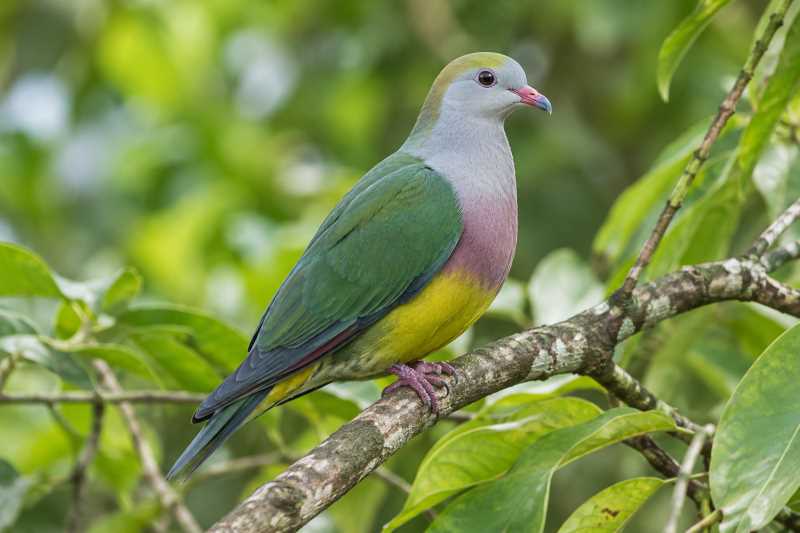
Oberholser’s Fruit Dove belongs to the family Columbidae, which encompasses doves and pigeons. The genus Ptilinopus is known for its vibrantly colored fruit doves, and Ptilinopus gularis is no exception. Named in honor of the American ornithologist Harry C. Oberholser, this species is distinguished by its striking appearance. The dove boasts a lush combination of green, yellow, and purple hues, which provide excellent camouflage in its forested habitat. The bird’s most distinctive feature is the deep crimson patch on its throat, a characteristic that aids in identification and adds to its visual allure.
Natural Habitat and Distribution
Native to the tropical and subtropical forests of the Philippines, Oberholser’s Fruit Dove is predominantly found on the islands of Luzon and Mindoro. These birds thrive in lowland and montane forests, where they can access a plentiful supply of fruits, their primary diet. The dense foliage of these habitats not only offers a rich food source but also provides essential cover from predators, allowing the doves to remain relatively undetected.
The preference for high canopy levels and the reliance on specific fruiting trees make Oberholser’s Fruit Dove highly susceptible to changes in its environment. Deforestation and habitat fragmentation pose significant threats, as these activities directly impact the availability of food and nesting sites. Consequently, the bird’s range is becoming increasingly restricted, heightening the importance of targeted conservation efforts.
Behavior and Ecology
Oberholser’s Fruit Dove plays a crucial role in its ecosystem as a seed disperser. By consuming a variety of fruits and excreting the seeds away from the parent tree, these doves help maintain the health and diversity of their forested habitats. This ecological service is vital for the regeneration of plant communities and contributes to the overall resilience of tropical ecosystems.
In terms of behavior, Oberholser’s Fruit Dove is known for its reclusive nature and preference for solitude or small groups. Unlike some other bird species that engage in elaborate displays or vocalizations, these doves are relatively quiet, with soft cooing calls that blend into the ambient sounds of the forest. Their secretive behavior, combined with their excellent camouflage, makes them a challenging subject for study, adding to their enigmatic appeal.
Conservation Status and Challenges
The conservation status of Oberholser’s Fruit Dove is currently classified as Near Threatened on the International Union for Conservation of Nature (IUCN) Red List. This designation reflects the ongoing pressures of habitat loss and fragmentation due to logging, agricultural expansion, and urbanization. In addition, the illegal wildlife trade poses a threat, as these birds are sometimes captured for the pet trade, despite legal protections.
Efforts to conserve Oberholser’s Fruit Dove involve habitat protection and restoration initiatives. Establishing and maintaining protected areas, such as national parks and wildlife sanctuaries, are crucial strategies in safeguarding the remaining forest habitats. Furthermore, engaging local communities in conservation activities and raising awareness about the importance of preserving biodiversity in the Philippines are vital components of successful conservation programs.
Conclusion
Oberholser’s Fruit Dove stands as a testament to the beauty and complexity of tropical avian species. Its vibrant plumage, ecological role, and the challenges it faces underscore the interconnectedness of species within their habitats. Protecting this dove not only ensures the survival of a single species but also contributes to the broader goal of maintaining healthy and diverse ecosystems.
As we continue to explore and understand the natural world, Oberholser’s Fruit Dove reminds us of the delicate balance that sustains life on our planet. Through concerted conservation efforts and a commitment to preserving natural habitats, we can ensure that this rare jewel of the avian world continues to thrive for generations to come.
Related posts