The Elusive Beauty of the Buru Dwarf Kingfisher: A Comprehensive Overview
The avian world is replete with remarkable species, each possessing unique characteristics that contribute to the rich tapestry of biodiversity. Among these species, the Buru Dwarf Kingfisher (Ceyx cajeli) stands out as a particularly intriguing subject for ornithologists and bird enthusiasts alike. Known for its vibrant plumage and elusive nature, this bird is native to the island of Buru in Indonesia and is a member of the Alcedinidae family, which encompasses a variety of kingfisher species.
Habitat and Distribution
The Buru Dwarf Kingfisher is endemic to Buru, one of the Maluku Islands in Indonesia. This island provides a unique habitat that supports the kingfisher’s needs. The bird thrives in subtropical or tropical moist lowland forests, which are characterized by high humidity and dense vegetation. These forests offer ample hunting grounds and nesting sites, allowing the kingfisher to maintain its population despite its limited range.
Unfortunately, the habitat of the Buru Dwarf Kingfisher is under threat due to deforestation and land conversion for agricultural purposes. This ongoing environmental degradation poses a significant risk to the species, emphasizing the need for conservation efforts to preserve these vital ecosystems.
Physical Characteristics
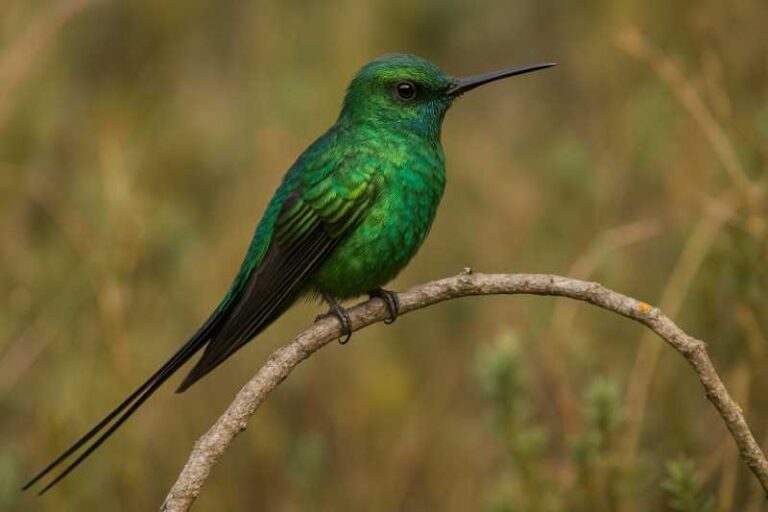
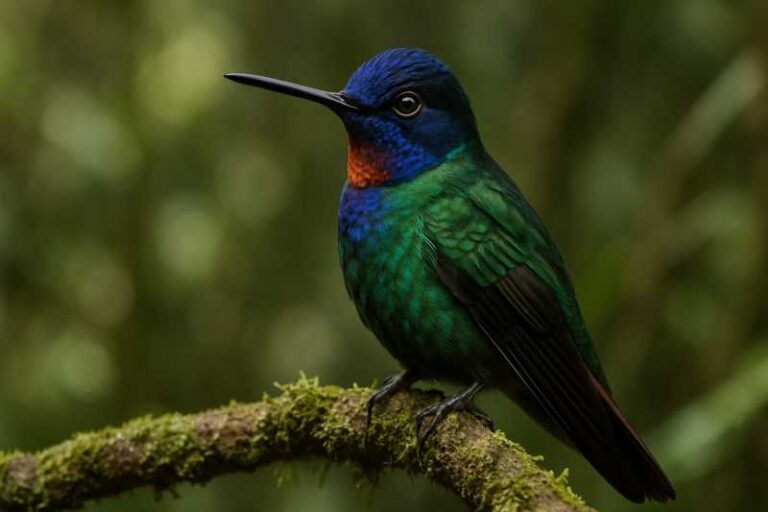
The Buru Dwarf Kingfisher is a small bird, measuring approximately 14 cm in length. Its stunning plumage is a striking blend of vibrant colors, including bright orange, blue, and white. The head and upper parts are predominantly orange, while the wings and tail exhibit a captivating blue hue. The bird’s underparts are white, providing a stark contrast to its otherwise colorful appearance. These vivid colors not only make the kingfisher a visual delight but also play a role in communication and mate attraction.
The kingfisher’s beak is long and pointed, adapted for its diet of small invertebrates and insects. Its eyes are large and well-suited for spotting prey from a distance, even in the dense foliage of its forest habitat.
Behavior and Diet
The Buru Dwarf Kingfisher is primarily insectivorous, feeding on a diet of small invertebrates and insects. It employs a sit-and-wait hunting strategy, perching quietly on branches and waiting for prey to come into view before swooping down to capture it with its sharp beak. This method of hunting is energy-efficient and well-suited to the dense forest environment where visibility can be limited.
Despite its small stature, the Buru Dwarf Kingfisher is an agile flier, capable of rapid, darting movements that allow it to navigate through the forest with ease. This agility is essential for both hunting and avoiding predators.
Breeding and Nesting
Little is known about the breeding habits of the Buru Dwarf Kingfisher, as its elusive nature makes it challenging to study in the wild. However, like other kingfishers, it is likely to nest in burrows excavated in banks or soft ground. These burrows provide a safe environment for raising young, protecting them from predators and environmental hazards.
The breeding season is thought to coincide with the rainy season, when food availability is at its peak. This timing ensures that the young have access to ample resources as they grow and develop.
Conservation Status and Efforts
The Buru Dwarf Kingfisher is currently classified as Near Threatened on the IUCN Red List of Threatened Species. The primary threat to its survival is habitat loss due to deforestation and land conversion. Without intervention, these pressures could push the species closer to extinction.
Conservation efforts are crucial to the survival of the Buru Dwarf Kingfisher. Protecting its habitat through the establishment of protected areas and promoting sustainable land use practices can help mitigate the impacts of human activities. Additionally, further research into the species’ ecology and behavior is necessary to inform effective conservation strategies.
Public awareness and education are also vital components of conservation efforts. By raising awareness of the kingfisher’s plight, conservationists can garner support for initiatives aimed at preserving the species and its habitat.
Conclusion
The Buru Dwarf Kingfisher is a testament to the incredible diversity of life found on the planet. Its vibrant plumage and elusive behavior make it a fascinating subject of study, while its restricted range and vulnerable status highlight the urgent need for conservation action. By understanding and protecting this remarkable bird, we can contribute to the preservation of the rich biodiversity that makes our world so extraordinary.
Related posts