The Enchanting World of the Madagascar Pygmy Kingfisher: An Avian Gem of the Indian Ocean
The Madagascar Pygmy Kingfisher (Corythornis madagascariensis) is a remarkable avian species that inhabits the lush landscapes of Madagascar. Known for its vibrant plumage and diminutive size, this kingfisher is a captivating subject for ornithologists and bird enthusiasts alike. Despite its small stature, the Madagascar Pygmy Kingfisher plays a significant role in the ecosystem and offers intriguing insights into the biodiversity of Madagascar.
A Jewel of the Avian World
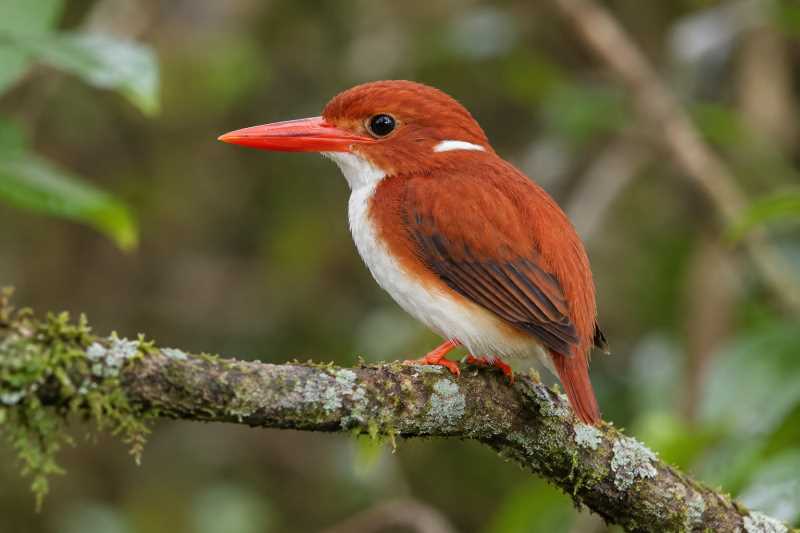
The Madagascar Pygmy Kingfisher is renowned for its striking appearance. It boasts a vivid mix of colors, including bright blues, oranges, and whites, which make it a standout among the island’s bird species. The iridescent blue wings and back contrast beautifully with its orange underparts and white throat, creating a visual spectacle that is hard to miss in the dense foliage of its habitat. This kaleidoscope of colors not only serves as a visual delight but also plays a crucial role in mating and territory defense.
Habitat and Distribution
This kingfisher is endemic to Madagascar, meaning it is found nowhere else in the world. It thrives in the island’s diverse habitats, from humid lowland forests to montane regions. The bird’s preference for dense, moist environments ensures it remains relatively elusive, often perched quietly in the understory as it surveys its surroundings. Despite this, the Madagascar Pygmy Kingfisher is not considered endangered, although habitat destruction poses a potential threat to its populations.
Adaptations and Behavior
The Madagascar Pygmy Kingfisher is a master of adaptation. Its small size, measuring about 13 cm in length, allows it to navigate the dense forest undergrowth with ease. Unlike some of its kingfisher relatives, it doesn’t primarily rely on water bodies for food. Instead, it has adapted to a diet rich in insects and small invertebrates, which it skillfully catches using its short, sharp bill.
This kingfisher is a solitary and territorial bird. It is often seen alone, fiercely defending its territory from intruders. During the breeding season, males engage in elaborate courtship displays to attract females, which include vocalizations and aerial acrobatics. Once paired, both parents actively participate in nest excavation, usually choosing a riverbank or a termite mound for their nesting site.
Conservation Status and Challenges
Currently, the Madagascar Pygmy Kingfisher is listed as Least Concern by the International Union for Conservation of Nature (IUCN). However, like many species endemic to Madagascar, it faces challenges from habitat loss and degradation. Deforestation for agriculture and logging is a significant threat, as it leads to the fragmentation of the kingfisher’s habitat.
Conservation efforts in Madagascar are crucial to maintaining the delicate balance of its ecosystems. Protecting the habitats of endemic species like the Madagascar Pygmy Kingfisher is essential not only for the bird itself but for the numerous other species that share its environment. Conservation initiatives focusing on sustainable land use and reforestation can help mitigate the impacts of habitat destruction.
The Role in Ecosystem and Cultural Significance
The Madagascar Pygmy Kingfisher plays a vital role in its ecosystem as both predator and prey. By controlling insect populations, it helps maintain the ecological balance within its habitat. Furthermore, as a prey species for larger predators, it contributes to the food web dynamics of the region.
Culturally, the Madagascar Pygmy Kingfisher may not hold the same symbolic significance as some other bird species, but its presence is a reminder of the island’s rich natural heritage. Birdwatching, particularly in Madagascar’s unique landscapes, offers economic opportunities through eco-tourism, which can be a powerful tool for conservation.
Conclusion
The Madagascar Pygmy Kingfisher is not just an avian jewel of the Indian Ocean but a symbol of the incredible biodiversity found on the island of Madagascar. Its vibrant plumage and ecological role highlight the importance of preserving its habitats for future generations. By understanding and protecting species like the Madagascar Pygmy Kingfisher, we contribute to the preservation of the unique and irreplaceable ecosystems of Madagascar.
Related posts