The Plain-breasted Hawk: A Comprehensive Overview
The Plain-breasted Hawk (Accipiter ventralis) is a fascinating bird of prey that captures the attention of ornithologists and bird enthusiasts alike. Known for its agile flight and sharp hunting skills, this raptor plays a crucial role in its ecosystem. This article delves into the various aspects of the Plain-breasted Hawk, including its habitat, behavior, diet, and conservation status.
Taxonomy and Classification
The Plain-breasted Hawk belongs to the family Accipitridae, which includes other raptors such as eagles, buzzards, and kites. It is closely related to the Sharp-shinned Hawk (Accipiter striatus) and was previously considered a subspecies. However, recent studies have led to its classification as a distinct species due to differences in size, plumage, and vocalizations.
Physical Characteristics
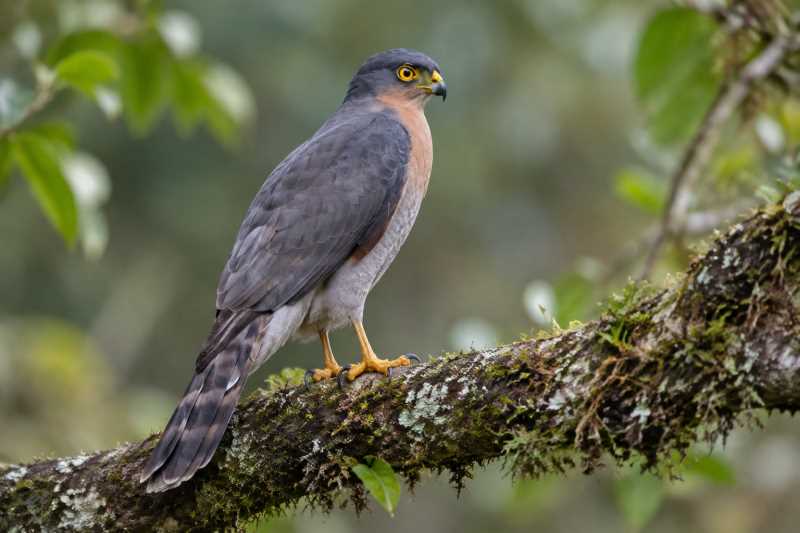
The Plain-breasted Hawk is a medium-sized raptor, with males typically measuring 30-38 cm in length and females slightly larger at 35-41 cm. One of the distinguishing features of this species is its plain, unbarred underparts, from which it derives its name. The upperparts are dark, slate-gray, and the tail is barred with black and white bands. The eyes are strikingly yellow, and the legs and cere are a vibrant yellow, which adds to its distinctive appearance.
Habitat and Distribution
This hawk is found primarily in the Andean regions of South America, with its range extending from Venezuela to northern Argentina. It inhabits a variety of forested environments, including montane cloud forests, subtropical rainforests, and secondary growth forests. The Plain-breasted Hawk is adapted to high altitudes, thriving at elevations ranging from 500 to 3,500 meters above sea level.
Behavior and Hunting Techniques
The Plain-breasted Hawk is known for its remarkable agility and speed, traits that make it an efficient hunter. It primarily preys on small birds, mammals, and insects. This raptor employs a sit-and-wait strategy, perching quietly before launching a surprise attack on unsuspecting prey. Its flight is characterized by rapid wingbeats interspersed with glides, allowing it to navigate the dense forest canopy with ease.
Breeding and Reproduction
The breeding season for the Plain-breasted Hawk varies across its range but generally occurs during the months of September to November. The species is monogamous, with pairs forming long-term bonds. Courtship involves aerial displays and vocalizations. Nests are typically constructed high in trees and are made from sticks and lined with softer materials. The female lays between 2 to 4 eggs, which she incubates for about 30-35 days while the male provides food. Both parents are involved in feeding and caring for the chicks until they fledge at around 4 to 6 weeks of age.
Conservation Status and Threats
The International Union for Conservation of Nature (IUCN) currently lists the Plain-breasted Hawk as a species of Least Concern, indicating that it is not at immediate risk of extinction. However, like many forest-dependent species, it faces threats from habitat loss and fragmentation due to deforestation and land conversion for agriculture. Conservation efforts focused on preserving natural habitats and promoting sustainable land-use practices are essential to ensure the long-term survival of this species.
Importance in the Ecosystem
As a predator, the Plain-breasted Hawk plays a vital role in maintaining the balance of its ecosystem. By controlling the populations of small mammals and birds, it helps to prevent overpopulation and the subsequent depletion of resources. This regulatory role underscores the importance of conserving raptor species as part of broader environmental conservation efforts.
Conclusion
The Plain-breasted Hawk is a remarkable bird of prey, exhibiting unique adaptations that allow it to thrive in the challenging environments of the Andean forests. Its continued survival depends on effective conservation strategies that address the challenges posed by habitat destruction and climate change. By raising awareness and promoting research, we can work towards safeguarding the future of this and other raptor species.
In summary, the Plain-breasted Hawk is a testament to the diversity and complexity of avian life, deserving of admiration and protection.
Related posts