The Enigmatic Snoring Rail: An In-Depth Exploration
Introduction
In the verdant landscapes of Indonesia, a mysterious bird known as the Snoring Rail (Aramidopsis plateni) weaves through the marshy undergrowth. This elusive bird, endemic to the islands of Sulawesi in Indonesia, is a subject of fascination for ornithologists and bird enthusiasts alike. The Snoring Rail is not just notable for its peculiar vocalizations, which resemble the sound of snoring, but also for its secretive behavior and conservation status. This article delves into the life, habitat, and conservation challenges of this intriguing species.
Taxonomy and Description
The Snoring Rail is a member of the Rallidae family, which encompasses a variety of rails, crakes, and coots. Scientifically classified as Aramidopsis plateni, this bird was first described by the German ornithologist Otto Finsch in 1880. The species name, plateni, honors Carl Constantin Platen, a German naturalist who collected specimens in Sulawesi.
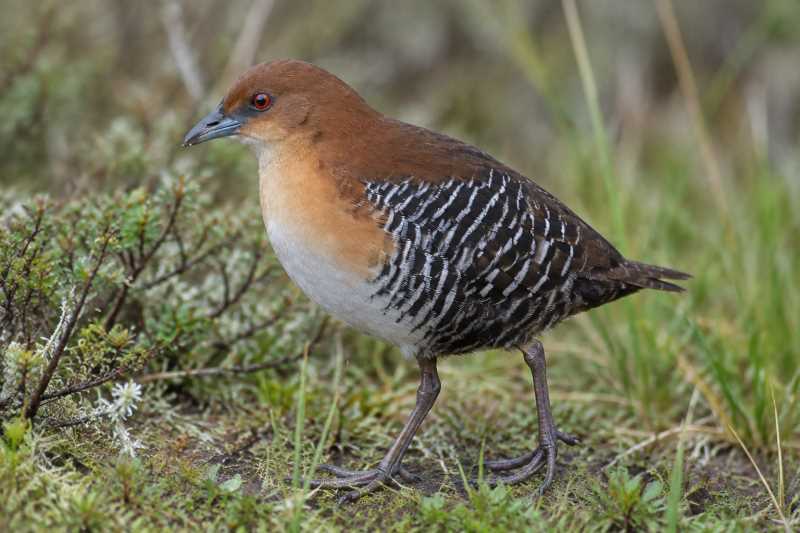
Visually, the Snoring Rail is a medium-sized bird, measuring approximately 30 cm in length. It displays a predominantly brown plumage, with a distinctive white throat and belly. Its legs are robust and adapted for navigating through dense vegetation, a characteristic trait among the Rallidae. However, what truly sets this bird apart is its vocalization. The Snoring Rail’s call is a low-pitched, rhythmic sound, reminiscent of a person snoring, which often echoes through its wetland habitat.
Habitat and Distribution
The Snoring Rail is exclusively found on the island of Sulawesi and its surrounding islets. Its preferred habitat includes lowland marshes, swamps, and dense reed beds where it can forage and nest in relative seclusion. Unfortunately, these specific habitat requirements contribute to its vulnerability, as such areas are increasingly threatened by human activities.
Sulawesi’s unique geographic and ecological context has led to high levels of endemism, and the Snoring Rail is an integral part of this biodiversity. Despite its limited range, the bird plays a crucial role in its ecosystem, participating in seed dispersal and maintaining insect populations.
Behavior and Ecology
Little is known about the behavioral patterns of the Snoring Rail, largely due to its reclusive nature. It is primarily terrestrial, spending most of its time foraging for insects, small invertebrates, and seeds on the forest floor. This bird is presumed to be monogamous, with pairs often seen together during the breeding season.
Breeding behavior in the Snoring Rail is not well-documented, but like other rails, it is likely to construct nests from grass and reeds, hidden away in dense vegetation. The species is thought to have a low reproductive rate, which further exacerbates conservation concerns.
Conservation Status
The International Union for Conservation of Nature (IUCN) currently classifies the Snoring Rail as Vulnerable. This status is primarily due to habitat destruction, which poses the most significant threat to its survival. Wetlands and marshes on Sulawesi are increasingly being drained for agricultural expansion, urban development, and infrastructure projects.
Conservation efforts for the Snoring Rail require a multifaceted approach, focusing on habitat preservation, research, and community engagement. Protected areas in Sulawesi need to be expanded and effectively managed to ensure the survival of this and other endemic species. Additionally, further research is essential to fill the gaps in knowledge about the bird’s life history and ecology.
The Role of Local Communities
Involving local communities in conservation initiatives is crucial for the long-term success of preserving the Snoring Rail. Education and awareness programs can help foster a sense of stewardship among local populations, emphasizing the importance of biodiversity and sustainable practices.
Community-based conservation projects, such as eco-tourism, can provide alternative livelihoods while promoting the protection of critical habitats. By engaging local stakeholders, conservationists can create a supportive environment for the Snoring Rail and other threatened species.
Conclusion
The Snoring Rail remains one of the lesser-known gems of Sulawesi’s avian biodiversity. Its unique characteristics and enigmatic nature make it a fascinating subject for study and conservation. However, the challenges it faces are indicative of the broader environmental issues impacting many species worldwide.
Through dedicated research, habitat protection, and community involvement, there is hope that the Snoring Rail will continue to snore through the marshes of Sulawesi for generations to come. As we advance our understanding of this rare bird, we also gain insight into the intricate web of life that sustains our planet.
Protecting the Snoring Rail is not just about saving a single species, but about preserving the rich tapestry of life on Earth and ensuring a sustainable future for all.
References
- BirdLife International (2021). Aramidopsis plateni. The IUCN Red List of Threatened Species 2021.
- Finsch, O. (1880). Description of Aramidopsis plateni.
- Sulawesi Conservation Initiatives. (2022). Community-based Conservation Programs.
Related posts