The Rufous-headed Robin: A Glimpse into a Rare Avian Jewel
The ornithological world is filled with a plethora of bird species that capture the imagination and admiration of birdwatchers and scientists alike. Among these captivating creatures is the Rufous-headed Robin (Larvivora ruficeps), a small yet extraordinary bird that has piqued the interest of many due to its rarity and unique characteristics.
A Brief Overview
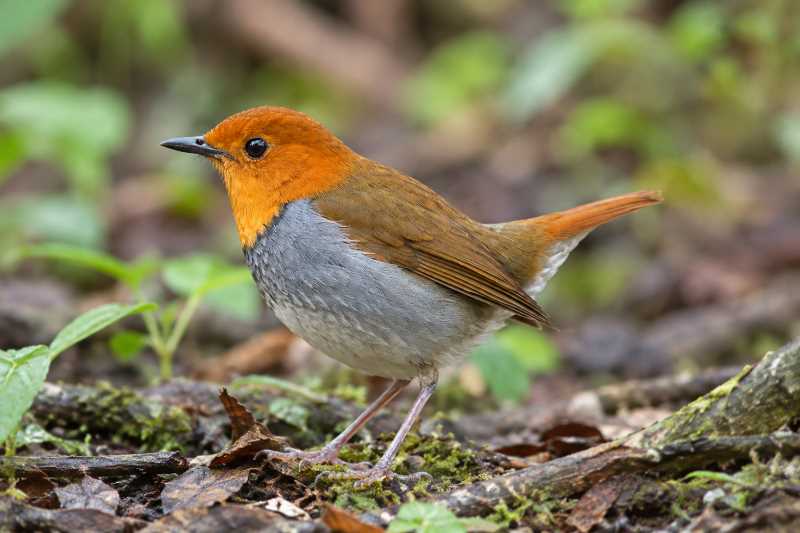
The Rufous-headed Robin is a member of the Muscicapidae family, which includes Old World flycatchers and chats. It is distinguished by its vivid rufous-colored head, which contrasts beautifully with its slate-blue upperparts and paler underparts. This striking coloration is not only eye-catching but also serves as a vital identifier for this elusive species.
First described by the noted British zoologist John Gould in 1863, the Rufous-headed Robin has since been a subject of intrigue, primarily due to its limited range and elusive nature. The bird is primarily found in the dense, temperate forests of central and western China, making it an endemic species with a restricted geographical distribution.
Habitat and Distribution
The preferred habitat of the Rufous-headed Robin consists of montane forests with dense undergrowth, often at elevations ranging from 1600 to 2500 meters. These environments provide the necessary cover and food resources for the bird, which thrives in the undergrowth of mixed coniferous and broadleaf forests.
Central and western China host the primary populations of the Rufous-headed Robin, with significant sightings reported from provinces such as Sichuan, Shaanxi, and Gansu. However, due to its elusive nature and the dense habitats it frequents, observing this bird in the wild can be a challenging endeavor.
Behavior and Diet
The Rufous-headed Robin is known for its secretive behavior, often remaining hidden within the dense vegetation of its forest home. It is a ground-dwelling bird that forages for insects and other small invertebrates, which constitute the majority of its diet. The bird’s feeding habits are typical of the Muscicapidae family, employing a "sit-and-wait" strategy to catch unsuspecting prey.
Despite its secretive tendencies, the Rufous-headed Robin is known for its melodious song. Males often sing to establish their territory and attract potential mates, especially during the breeding season. The song is a series of clear, musical notes that can cut through the dense forest vegetation, providing a rare opportunity for birdwatchers to identify the species by sound rather than sight.
Conservation Status
The Rufous-headed Robin is classified as "Near Threatened" on the IUCN Red List of Threatened Species. The primary threats to its survival include habitat loss and degradation, primarily due to agricultural expansion, logging, and infrastructure development. These activities have led to a significant reduction in the montane forests that the species calls home.
Conservation efforts are critical to ensure the survival of the Rufous-headed Robin. Protecting its habitat through the establishment of protected areas and sustainable land management practices is essential. Additionally, further research into the species’ population dynamics and ecological needs will aid in developing effective conservation strategies.
Research and Observation
Despite its elusive nature, the Rufous-headed Robin continues to be a subject of interest for ornithologists and birdwatchers. Efforts to study the species typically involve extensive fieldwork, often requiring researchers to trek into remote mountainous regions where the bird resides.
Modern technology, such as bioacoustic monitoring and remote sensing, has enhanced researchers’ ability to study the Rufous-headed Robin. These tools allow scientists to record the bird’s calls and analyze its habitat preferences without the need for direct observation, thus minimizing disturbance to the species.
The Rufous-headed Robin in Culture
In addition to its scientific significance, the Rufous-headed Robin holds cultural importance in the regions where it is found. The bird’s vibrant plumage and melodious song have inspired local folklore and artistic representations, contributing to its status as a symbol of natural beauty and ecological diversity.
Conclusion
The Rufous-headed Robin is a testament to the rich biodiversity found within China’s montane forests. While its elusive nature and limited range pose challenges to its study and conservation, ongoing efforts by scientists and conservationists offer hope for its future.
As we continue to explore and understand the complexities of avian life, the Rufous-headed Robin stands out as a reminder of the importance of preserving our planet’s natural habitats. Through concerted conservation efforts and increased awareness, we can ensure that this rare avian jewel continues to thrive for generations to come.
Related posts