The Elusive Black-faced Pitta: A Jewel of the Solomon Islands
The Black-faced Pitta (Pitta anerythra) is one of the most captivating birds native to the Solomon Islands, known for its mesmerizing plumage and elusive nature. This article delves into the bird’s unique characteristics, habitat, behavior, and the conservation challenges it faces.
Description and Characteristics
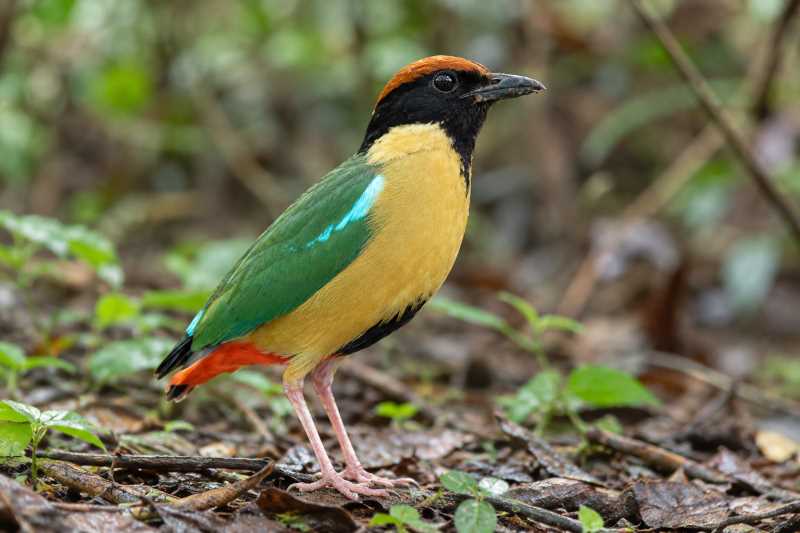
The Black-faced Pitta is a medium-sized bird distinguished by its striking color patterns. It features a vivid green body contrasted by a bold black face, which gives the bird its name. Its underparts are a warm chestnut hue, while the wings boast a blend of iridescent blues and greens, creating a dazzling display when the bird is in flight. The bill is robust and slightly curved, adapted for its omnivorous diet.
Despite its vibrant appearance, the Black-faced Pitta is elusive and often difficult to spot in its dense forest habitat. Its cryptic behavior, combined with the thick canopy of the Solomon Islands’ rainforests, provides it with excellent camouflage against predators and human observers alike.
Habitat and Distribution
The Black-faced Pitta is endemic to the Solomon Islands, a group of islands in the South Pacific. It primarily inhabits the lowland and hill rainforests, favoring areas with dense undergrowth and a closed canopy. These environments provide the bird with ample food resources and nesting sites, though they also make the bird susceptible to habitat degradation.
The bird’s distribution is limited to specific islands within the archipelago, including Bougainville and Guadalcanal. This restricted range makes the species particularly vulnerable to environmental changes and habitat loss.
Behavior and Diet
Known for its secretive nature, the Black-faced Pitta is a ground-dwelling bird that forages for food among the leaf litter. It feeds on a variety of insects, small invertebrates, and occasionally fruits and seeds. Its diet reflects its adaptability to the resources available in its environment.
The breeding behavior of the Black-faced Pitta remains somewhat enigmatic due to its elusive nature. However, it is believed to nest on the ground or in low bushes, laying a clutch of eggs that are incubated by both parents. The cooperative breeding strategy enhances the survival chances of the offspring in the challenging rainforest environment.
Conservation Status and Challenges
The Black-faced Pitta is currently classified as Near Threatened by the International Union for Conservation of Nature (IUCN). The primary threat to its survival is habitat destruction due to logging, agriculture, and infrastructure development. The Solomon Islands’ forests are being increasingly fragmented, reducing the available habitat for this and other endemic species.
Conservation efforts are crucial to preserve the Black-faced Pitta’s habitat and ensure its survival. Initiatives include establishing protected areas, promoting sustainable land-use practices, and conducting further research to better understand the bird’s ecology and behavior. Engaging local communities in conservation efforts is also essential, as they play a vital role in managing and protecting the natural resources of the Solomon Islands.
The Role of Research and Ecotourism
Continued research is vital for the conservation of the Black-faced Pitta. Studies focusing on its population size, distribution, and ecological needs can inform effective management strategies. Additionally, raising awareness about the bird through ecotourism can provide economic incentives for local communities to protect their natural heritage.
Ecotourism, when managed sustainably, can highlight the unique biodiversity of the Solomon Islands, attracting birdwatchers and nature enthusiasts from around the world. This not only fosters a greater appreciation for the Black-faced Pitta and its ecosystem but also generates revenue that can be reinvested in conservation initiatives.
Conclusion
The Black-faced Pitta is a remarkable species that represents the rich biodiversity of the Solomon Islands. Its vibrant colors and elusive nature make it a symbol of the intricate balance within rainforest ecosystems. Protecting this bird and its habitat requires concerted efforts from conservationists, researchers, and local communities.
By implementing sustainable practices and preserving the natural environment, we can ensure that the Black-faced Pitta continues to thrive, serving as a testament to the beauty and complexity of life on our planet. The journey to safeguard this avian treasure is a shared responsibility that reflects our commitment to biodiversity conservation.
In conclusion, the Black-faced Pitta is not only a symbol of natural beauty but also a reminder of the delicate balance that sustains life in the world’s rainforests. It is imperative that we take action now to protect this jewel of the Solomon Islands for future generations to admire and cherish.
Related posts