The Sangihe Scops Owl: A Glimpse into the Life of Otus collari
The Sangihe Scops Owl (Otus collari) is an elusive and captivating bird species endemic to the Sangihe Islands in Indonesia. As a member of the Strigidae family, this small owl has become a symbol of the rich biodiversity found in Southeast Asia, as well as a poignant reminder of the environmental challenges faced by many island species.
A Unique Habitat
The Sangihe Islands, located in the Sulawesi Sea, are part of the Greater Sunda Islands. They boast a unique ecosystem characterized by tropical rainforests, which provides the perfect habitat for the Sangihe Scops Owl and many other endemic species. The dense forest canopy offers necessary cover for these owls, while the diversity of insects and small mammals provides ample food sources.
These islands are also known for their frequent volcanic activity, which has shaped the landscape over millennia. The rugged terrain and the diverse flora and fauna of the Sangihe Islands create an environment where the Sangihe Scops Owl has thrived for centuries. However, this delicate balance is threatened by human activities, making conservation efforts crucial.
Distinctive Features
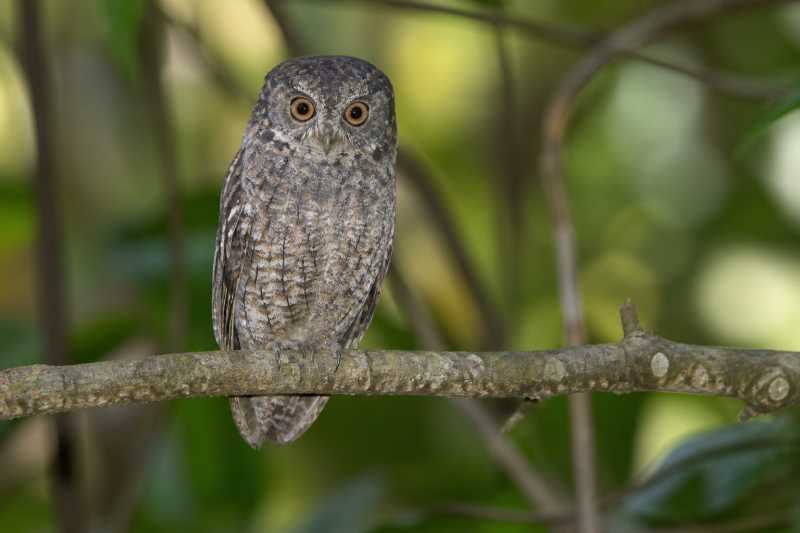
The Sangihe Scops Owl is a small bird, measuring approximately 20-25 centimeters in length. It is easily identified by its mottled brown and gray feathers, which provide excellent camouflage among the trees. The owl’s large, round eyes are adapted for nocturnal vision, allowing it to hunt effectively during the night.
One of the most distinctive features of the Sangihe Scops Owl is its call, which consists of a series of soft, low-pitched hoots. This vocalization is not only a means of communication between individuals but also plays a crucial role during the breeding season, helping to establish territories and attract mates.
Behavior and Diet
Sangihe Scops Owls are primarily nocturnal, meaning they are most active at night. They spend their days roosting quietly in the forest canopy, relying on their excellent camouflage to avoid predators. At night, they become active hunters, preying on insects, small mammals, and occasionally small reptiles.
Their hunting strategy involves a combination of keen listening and silent flight. The owl’s wings are specially adapted to minimize noise, allowing it to approach its prey stealthily. Once a suitable target is located, the owl swoops down with precision and captures its prey with sharp talons.
Reproduction and Lifespan
The breeding season for the Sangihe Scops Owl typically coincides with the onset of the rainy season, which ensures a plentiful supply of food for the growing chicks. These owls are monogamous and form long-term pair bonds. The female lays a clutch of two to three eggs, which she incubates while the male provides food.
After about four weeks, the eggs hatch, and both parents participate in feeding and caring for the chicks. The young owls fledge after approximately five weeks, although they may remain dependent on their parents for several more weeks as they learn to hunt and fend for themselves.
Conservation Concerns
Despite its fascinating biology, the Sangihe Scops Owl is currently classified as Vulnerable by the International Union for Conservation of Nature (IUCN). The primary threat to its survival is habitat loss due to deforestation. The expansion of agricultural land, logging, and infrastructure development are all contributing to the destruction of the owl’s natural habitat.
Conservation efforts are underway to protect the remaining forests of the Sangihe Islands. Local and international organizations are working together to establish protected areas and promote sustainable land-use practices. Educating local communities about the importance of biodiversity and involving them in conservation efforts are also crucial steps in ensuring the survival of the Sangihe Scops Owl.
The Importance of Preserving Biodiversity
The Sangihe Scops Owl serves as an important indicator of the overall health of its ecosystem. Protecting this species and its habitat benefits a wide range of other flora and fauna that share the same environment. Furthermore, preserving biodiversity is essential for maintaining ecological balance and ensuring the resilience of ecosystems against climate change and other environmental pressures.
In conclusion, the Sangihe Scops Owl is not only a remarkable bird species but also a vital component of the Sangihe Islands’ ecosystem. Its survival depends on our ability to balance human development with the preservation of natural habitats. Through concerted conservation efforts and increased awareness, there is hope that this enigmatic owl will continue to thrive in its native forests for generations to come.
Related posts