Introduction
The Wallace’s Three-striped Dasyure (Myoictis wallacii) is a fascinating marsupial species belonging to the order Dasyuromorphia, endemic to New Guinea. Named after the famed naturalist Alfred Russel Wallace, this small carnivorous mammal is an integral part of its ecosystem. As a lesser-known species, it holds particular interest for scientists and conservationists alike. In this article, we delve into the various aspects of the Wallace’s Three-striped Dasyure, ranging from its physical characteristics to its behavioral patterns and conservation status.
Physical Description
Wallace’s Three-striped Dasyure is a small to medium-sized marsupial, characterized by its elongated body and distinctive markings. Adults typically range in size from 20 to 30 centimeters in body length, with a tail length of approximately 15 to 25 centimeters. The average weight of this species is between 200 to 300 grams, making it a relatively lightweight mammal.
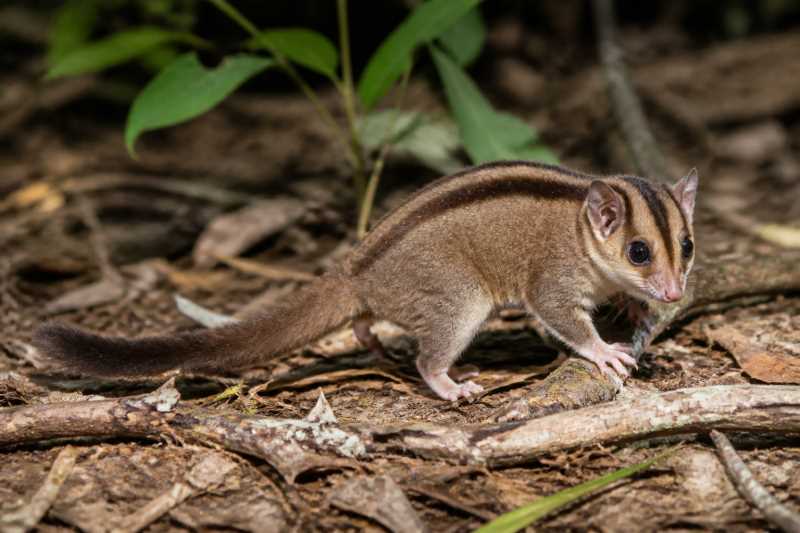
The most striking feature of the Wallace’s Three-striped Dasyure is its fur, which is adorned with three distinct dark stripes that run longitudinally along its back. These stripes are set against a backdrop of reddish-brown to gray fur, providing excellent camouflage in its natural habitat. The underbelly is generally lighter in color, ranging from pale yellow to cream, which aids in further distinguishing this species from other similar marsupials.
The head of the Wallace’s Three-striped Dasyure is pointed, with a short snout and sharp teeth indicative of its carnivorous diet. Its eyes are relatively large, facilitating better vision in low-light conditions, which is essential for its nocturnal lifestyle.
Range and Habitat
The Wallace’s Three-striped Dasyure is native to the island of New Guinea, which is politically divided between Papua New Guinea to the east and Indonesia to the west. This species is predominantly found in lowland and montane rainforests, thriving in environments that are rich in biodiversity.
Within these habitats, the Wallace’s Three-striped Dasyure occupies a range of ecological niches, from dense underbrush to the forest canopy. Its adaptability to various forest strata allows it to exploit different food resources, enhancing its survival prospects. The species is most commonly located in areas with abundant ground cover and leaf litter, which provide shelter and hunting grounds.
Behavior and Diet
Wallace’s Three-striped Dasyure is predominantly nocturnal, spending the daylight hours resting in nests made from leaves and other forest debris. As night falls, it becomes an active hunter, relying on its keen sense of smell and hearing to locate prey.
Its diet is primarily carnivorous, consisting of insects, small vertebrates, and occasionally fruits. This opportunistic feeding behavior allows it to adapt to the seasonal availability of food resources. The species is known for its agile and quick movements, which it utilizes to capture prey efficiently.
Socially, Wallace’s Three-striped Dasyure is generally solitary, with individuals coming together only during the breeding season. Mating typically occurs once a year, with females giving birth to a small litter after a gestation period of roughly 30 days. The young are then carried in the mother’s pouch until they are sufficiently developed to follow her independently.
Identification Tips
For those interested in observing Wallace’s Three-striped Dasyure in the wild, there are several key identification tips to keep in mind:
- Distinctive Stripes: Look for the three dark stripes running down the back, which are the hallmark of the species.
- Size and Shape: Note the small, elongated body and relatively short tail, which can help distinguish it from similar marsupials.
- Nocturnal Activity: Since they are primarily active at night, sightings are more likely during dusk or just after dawn.
- Habitat Preference: Focus on areas with dense foliage and ample leaf litter within lowland and montane rainforests.
Conservation Status
As of the latest assessments, Wallace’s Three-striped Dasyure is classified as Near Threatened on the IUCN Red List. The primary threats to its survival are habitat loss and fragmentation due to logging, agriculture, and infrastructure development. These activities not only reduce available habitat but also fragment populations, making it difficult for individuals to find mates and access resources.
In response to these threats, several conservation initiatives have been put in place. Protected areas within New Guinea’s rainforests provide some refuge for this species. Additionally, efforts to promote sustainable land-use practices aim to balance human activity with the preservation of critical habitats.
Continued research and monitoring are essential to accurately assess population trends and the effectiveness of conservation strategies. By raising awareness and engaging local communities in conservation efforts, there is hope for the long-term survival of Wallace’s Three-striped Dasyure.
Frequently Asked Questions
1. What is the scientific name of Wallace’s Three-striped Dasyure?
The scientific name of Wallace’s Three-striped Dasyure is Myoictis wallacii.
2. Where can Wallace’s Three-striped Dasyure be found?
This species is native to New Guinea, inhabiting lowland and montane rainforests.
3. What does Wallace’s Three-striped Dasyure eat?
Its diet is primarily carnivorous, consisting of insects, small vertebrates, and occasionally fruits.
4. Why is Wallace’s Three-striped Dasyure considered Near Threatened?
The species faces threats from habitat loss and fragmentation due to human activities such as logging and agriculture.
5. How can I identify Wallace’s Three-striped Dasyure in the wild?
Look for the three distinctive dark stripes on its back, small body size, and habit of nocturnal activity in rainforest habitats.
Related posts