The White-winged Collared Dove: A Comprehensive Exploration of Streptopelia reichenowi
The White-winged Collared Dove, scientifically known as Streptopelia reichenowi, is a captivating avian species that enchants bird enthusiasts and ornithologists alike. Found predominantly in the subtropical and tropical regions of Africa, this species offers unique insights into the ecological and behavioral adaptations of doves. This article delves into the various aspects that define the White-winged Collared Dove, from its distinct physical characteristics to its habitat, behavior, and conservation status.
Physical Characteristics
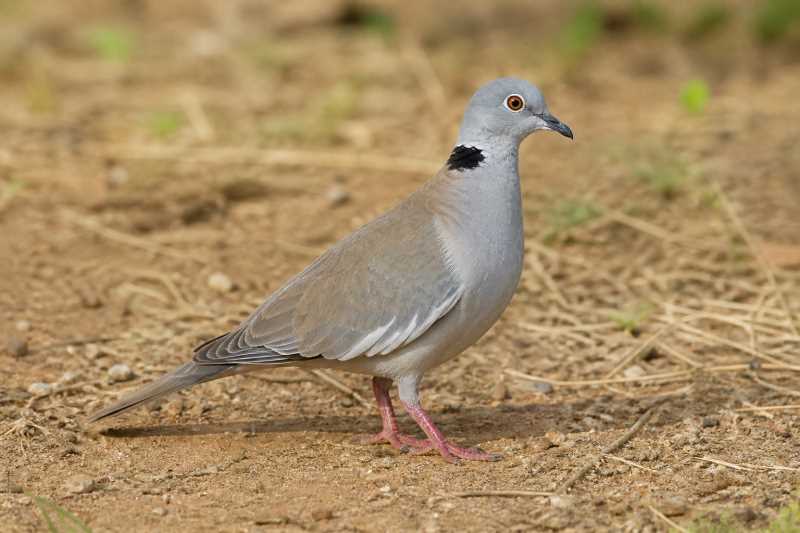
The White-winged Collared Dove is a medium-sized bird, measuring approximately 31 centimeters in length. Its most striking feature is the broad white band on its wings, which becomes distinctly visible during flight. The bird’s plumage is primarily a soft, sandy brown, providing excellent camouflage against its typical savanna and woodland habitats. The neck is adorned with a narrow black collar, giving the species part of its common name. The eyes are a deep, expressive red, contrasting sharply with its lighter plumage.
The dove’s tail is long and rounded, with a characteristic white edging that can be seen when the bird is perched. The bill is slender and slightly curved, adapted for its diet primarily composed of seeds, grains, and small fruits. The legs and feet are a pinkish hue, adding to the bird’s delicate appearance.
Habitat and Distribution
The natural habitat of the White-winged Collared Dove spans across several African countries, including Ethiopia, Kenya, and Tanzania. It thrives in dry savannas, open woodlands, and areas adjacent to human settlements, where it can often be seen foraging on the ground. The species exhibits a strong preference for areas that offer ample food supply and suitable nesting sites.
Adaptability is a hallmark of the White-winged Collared Dove. It has been observed in both rural and urban settings, demonstrating an ability to coexist with human activities. This adaptability has contributed to its relatively stable population numbers, despite the pressures of habitat degradation in some regions.
Behavior and Ecology
The White-winged Collared Dove is primarily a ground-feeding bird, often seen walking with a deliberate, bobbing gait as it searches for food. It is usually found in pairs or small flocks, especially during the breeding season, which varies according to the geographical location but generally peaks during the wetter months.
Communication among these doves is facilitated through a series of low-pitched coos, which serve multiple purposes, including mate attraction and territory defense. The call is a soft, repetitive cooing sound, which adds a melodious backdrop to the African landscapes.
Breeding involves the construction of a simple, flimsy nest of twigs, typically situated in a tree or bush. The female usually lays two eggs, which both parents incubate over a period of about two weeks. The chicks fledge approximately 16 to 18 days after hatching, although they remain dependent on their parents for food for several more weeks.
Conservation Status
Currently, the White-winged Collared Dove is classified as a species of Least Concern by the International Union for Conservation of Nature (IUCN). This status is largely due to its wide distribution and ability to thrive in a variety of environments. However, ongoing threats such as habitat loss and fragmentation, primarily due to agricultural expansion and urbanization, pose future risks to its populations.
Conservation efforts are essential to ensure the long-term survival of this species. Protecting natural habitats, promoting sustainable agricultural practices, and conducting further research into the species’ ecology and behavior are critical steps in safeguarding its future. Birdwatching communities and conservation organizations play a vital role in monitoring populations and advocating for the protection of vital ecosystems.
Conclusion
The White-winged Collared Dove stands as a testament to the resilience and adaptability of avian species in the face of environmental change. Its intriguing behaviors, striking appearance, and the gentle cooing that fills the air where it resides make it a cherished species among bird lovers and researchers. As we continue to observe and learn from Streptopelia reichenowi, it is imperative that we also take steps to protect and preserve its natural habitats, ensuring that future generations can enjoy the beauty and grace of this remarkable dove.
Related posts