Black-thighed Puffleg: A Jewel of the Andean Cloud Forests
The Black-thighed Puffleg, scientifically known as Eriocnemis derbyi, is a remarkable hummingbird species endemic to the lush, cloud-covered slopes of the Andes in Colombia and Ecuador. With its striking appearance and vital ecological role, the Black-thighed Puffleg is a testament to the incredible biodiversity found within the neotropical cloud forests.
A Glimpse into Biodiversity
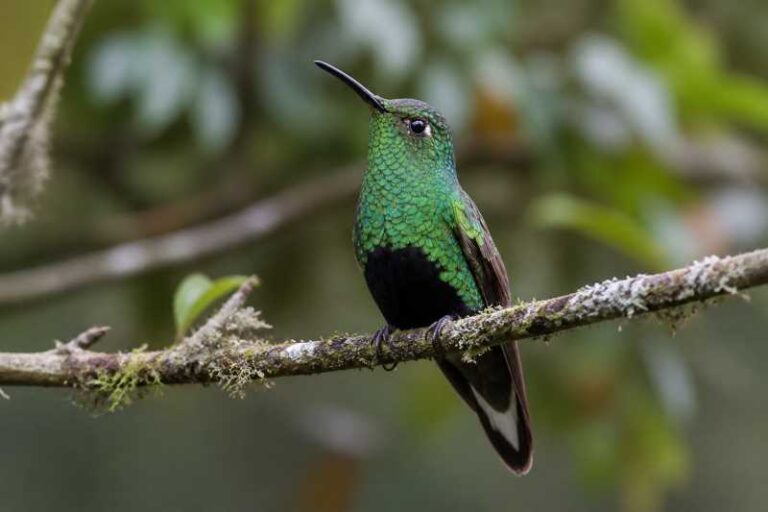
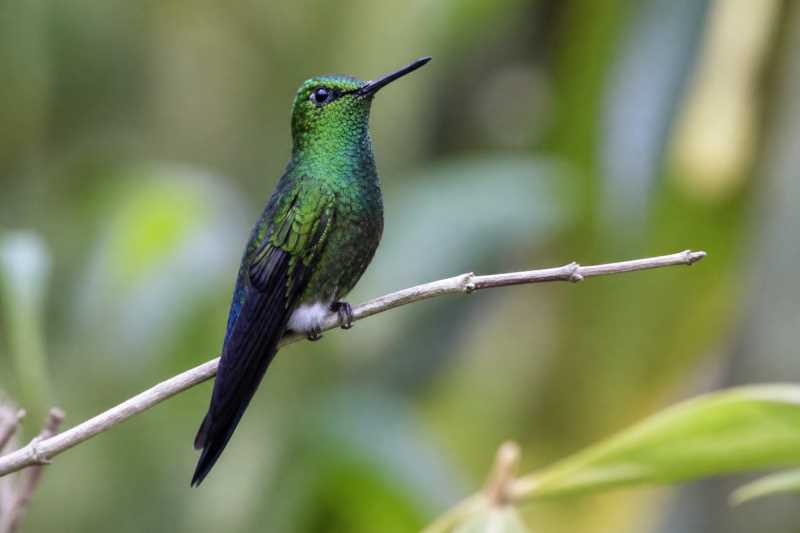
The Black-thighed Puffleg is a small bird, typically measuring between 9 to 10 centimeters in length. Its appearance is as dynamic as its habitat, characterized by vibrant iridescent green plumage, a contrasting black throat and thighs, and a glittering blue-green breast. The tail feathers are deeply forked, adding to its distinctive profile. The bird’s common name derives from the distinctive black coloration of its thighs, which contrasts sharply against the otherwise bright plumage.
This species is part of the Trochilidae family, which is renowned for its incredible diversity and specialization. Hummingbirds, including the Black-thighed Puffleg, are crucial pollinators in their ecosystems. Their long, slender bills and specialized tongues are adapted to feed on nectar from a variety of flowers, playing a vital role in the pollination process. This mutualistic relationship highlights the interconnectedness of species within these rich habitats.
Habitat and Distribution
The Black-thighed Puffleg thrives in humid montane forests and elfin woodlands, primarily at elevations between 2,500 to 3,500 meters. These cloud forests are characterized by high humidity, frequent mist, and a dense canopy, creating a unique microclimate that supports a wide array of plant and animal life. However, this specialized habitat also makes the species vulnerable to environmental changes.
The bird’s range is limited to the eastern Andean slopes of Colombia and Ecuador, regions noted for their extraordinary levels of biodiversity. Unfortunately, this limited distribution makes the Black-thighed Puffleg particularly susceptible to habitat loss. Deforestation for agriculture, mining, and infrastructure development poses a significant threat to its survival. Conservation efforts are crucial to preserving these habitats and ensuring the continued existence of this and many other species.
Behavior and Ecology
The Black-thighed Puffleg is a solitary and territorial bird, often seen darting between flowers in search of nectar. Its rapid wing beats, typically around 50 to 80 beats per second, allow it to hover with remarkable stability. This agility is essential for accessing nectar from flowers that are often positioned in challenging locations.
Besides nectar, the Black-thighed Puffleg also consumes small insects and spiders, which provide essential proteins. This dietary diversity helps meet the high energy demands of their fast metabolism. During feeding, pollen often adheres to their heads and bills, facilitating cross-pollination as they move from flower to flower.
Breeding typically occurs during the rainy season when floral abundance is at its peak. The female is solely responsible for nest building, incubation, and chick rearing. The nest is a small cup-shaped structure, usually made from moss and plant fibers, camouflaged among the dense foliage.
Conservation Status
The International Union for Conservation of Nature (IUCN) currently classifies the Black-thighed Puffleg as "Near Threatened" due to its restricted range and ongoing habitat loss. Conservation organizations emphasize the importance of protecting cloud forest habitats to ensure the survival of this species. Efforts are underway to establish protected areas and encourage sustainable land-use practices that minimize deforestation.
Community engagement and education are also vital components of conservation strategies. By involving local communities in conservation efforts, there is a greater chance of fostering sustainable practices that benefit both the ecosystem and the people who rely on it.
The Future of the Black-thighed Puffleg
The Black-thighed Puffleg serves as a reminder of the delicate balance within ecosystems and the importance of biodiversity. Its survival is intricately tied to the health of its cloud forest habitat. As we face escalating environmental challenges, the need for comprehensive conservation strategies becomes increasingly urgent.
By protecting the habitats of species like the Black-thighed Puffleg, we not only preserve the intricate web of life within these forests but also maintain the ecological services they provide, such as climate regulation, water purification, and carbon sequestration. In doing so, we ensure that future generations can continue to marvel at the beauty and diversity of life on Earth.
Conclusion
In conclusion, the Black-thighed Puffleg is not just a stunning bird but a crucial part of its ecosystem. Protecting its habitat is essential for the survival of countless species that call the Andean cloud forests home. Conservation efforts must prioritize habitat preservation, sustainable development, and community engagement to secure a future for the Black-thighed Puffleg and the vibrant ecosystem it represents.
Related posts