The Enigmatic Black-throated Hermit: A Jewel of the Neotropics
The Black-throated Hermit (Phaethornis atrimentalis) is a captivating species that adds to the diversity and splendor of the hummingbird family Trochilidae. Known for its striking plumage and remarkable adaptations, this bird is a fascinating subject for ornithologists and bird enthusiasts alike. Found primarily in the dense forests of the Amazon Basin, this small yet vibrant bird plays a crucial role in the ecosystem, serving as both pollinator and indicator of environmental health.
Taxonomy and Classification
Belonging to the genus Phaethornis, the Black-throated Hermit is one of the many ‘hermit’ hummingbirds characterized by their long, curved bills and distinctive tail feathers. The species name ‘atrimentalis’ is derived from Latin, meaning ‘black-throated,’ a direct reference to the bird’s distinctive dark throat patch. It shares its genus with other hermit species, each adapted to specific ecological niches across Central and South America.
Physical Characteristics
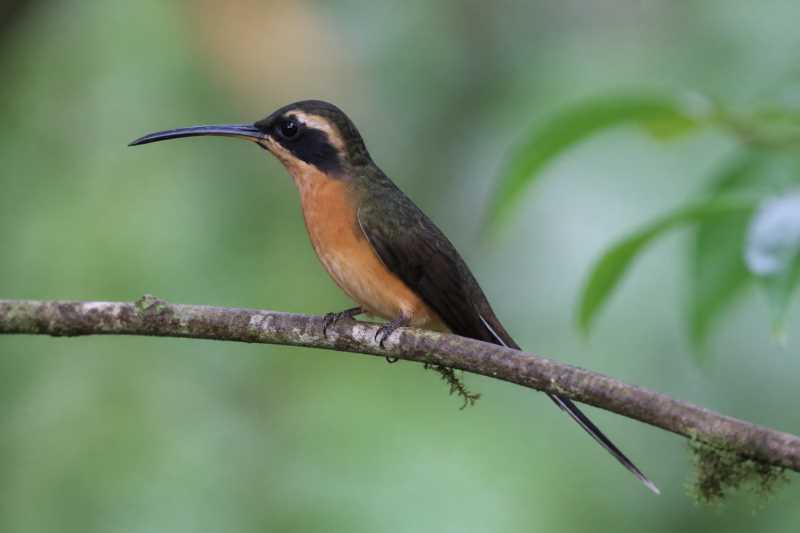
The Black-throated Hermit is a small bird, measuring approximately 10–12 centimeters in length and weighing between 3.5 to 4.5 grams. Despite its diminutive size, it boasts an impressive array of coloration, with iridescent green upperparts, a striking black throat, and buffy underparts. The long, decurved bill is perfectly adapted for accessing nectar deep within tubular flowers, while its tail feathers are elongated with a white tip, aiding in precision flight and balance.
Habitat and Distribution
This hummingbird is primarily distributed across the Amazon Basin, with populations present in countries such as Brazil, Peru, Ecuador, Colombia, and Venezuela. It inhabits lowland rainforests, forest edges, and occasionally, secondary forests, displaying a preference for areas with abundant flowering plants. Its presence in these regions underscores the importance of conserving tropical forests, as these habitats are increasingly threatened by deforestation and agricultural expansion.
Feeding and Behavior
The Black-throated Hermit is a nectarivore, feeding primarily on the nectar of flowers. It exhibits trap-lining behavior, following a regular route in search of flowering plants. This feeding strategy not only ensures a steady supply of nectar but also facilitates pollination, making the bird an essential component of its ecosystem. In addition to nectar, the Black-throated Hermit supplements its diet with small insects and spiders, which provide necessary protein and nutrients.
This species is known for its solitary nature, typically observed alone or in the company of other hummingbirds only when visiting highly productive flower patches. During the breeding season, males engage in elaborate displays to attract females, often involving flight maneuvers and vocalizations.
Reproduction and Lifecycle
The breeding season of the Black-throated Hermit varies depending on geographic location but generally aligns with periods of flower abundance. The female is solely responsible for nest construction, incubation, and chick rearing. The nest is a small cup made from plant fibers and spider silk, typically attached to the underside of large leaves or sheltered branches.
After the female lays two white eggs, she incubates them for about 15 to 19 days. Upon hatching, the chicks are altricial, requiring significant maternal care. They fledge approximately 20 to 25 days post-hatching, at which point they become independent, though they may remain in the vicinity of their natal area for several weeks.
Conservation Status and Threats
The Black-throated Hermit is currently classified as Least Concern by the International Union for Conservation of Nature (IUCN), thanks to its broad distribution and stable population numbers. However, ongoing threats such as habitat destruction, climate change, and human encroachment pose significant risks to its habitat. Conservation efforts aimed at preserving tropical forests are crucial for the long-term survival of this species and the myriad of other organisms that share its ecosystem.
Conclusion
The Black-throated Hermit, with its mesmerizing appearance and vital ecological role, embodies the beauty and complexity of Neotropical avian life. Protecting this species requires a concerted effort to conserve its habitat and address broader environmental challenges. Through increased awareness and sustainable practices, we can ensure that future generations continue to marvel at the Black-throated Hermit and the vibrant ecosystems it inhabits.
Related posts