Dollman’s Sulawesi Spiny Rat: Intriguing Insights into a Lesser-Known Rodent
Introduction
Dollman’s Sulawesi Spiny Rat, scientifically known as Crunomys dollmani, is a fascinating but lesser-known rodent species native to the Indonesian island of Sulawesi. This intriguing mammal is part of the Muridae family, which includes various species of rats and mice. Despite its obscure status in the animal kingdom, Dollman’s Sulawesi Spiny Rat plays a crucial role in its ecosystem, contributing to seed dispersal and soil aeration.
As a species endemic to Sulawesi, this spiny rat presents unique evolutionary traits and adaptations, making it a subject of interest for mammalogists and conservationists alike. This article delves into the physical characteristics, habitat, behavior, and conservation status of the Dollman’s Sulawesi Spiny Rat, offering a comprehensive overview for researchers and enthusiasts.
Physical Description
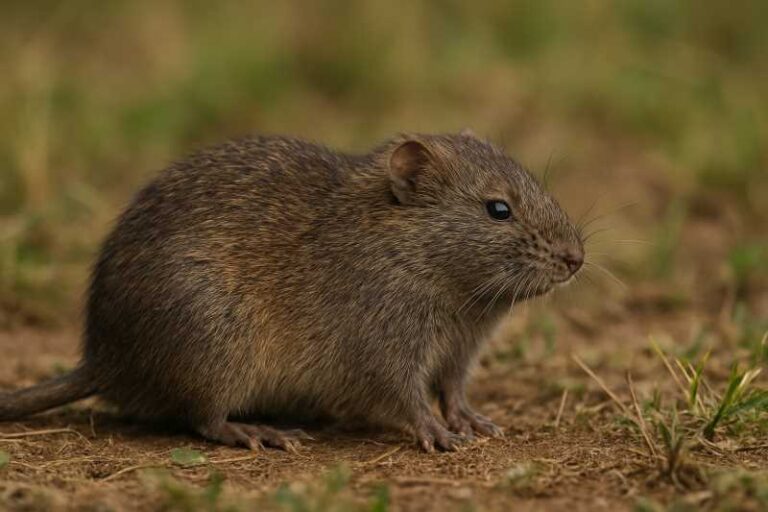
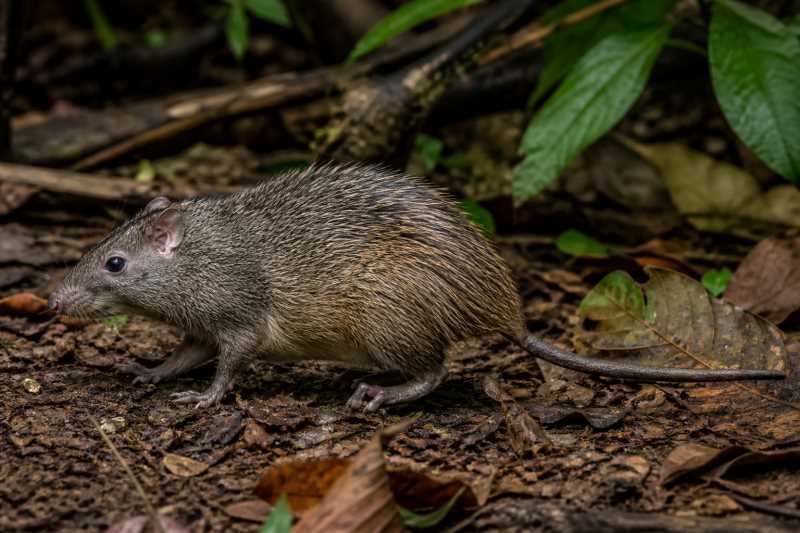
Dollman’s Sulawesi Spiny Rat exhibits a distinctive appearance that distinguishes it from other rodent species. This small mammal typically measures between 12 to 15 centimeters in body length, with a tail that extends an additional 10 to 12 centimeters. It possesses a robust build, characterized by its spiny fur, which consists of stiff, bristle-like hairs interspersed with softer underfur. This spiny coat provides the rat with protection against predators and environmental elements.
The coloration of Crunomys dollmani varies from dark brown to grayish tones, with a paler underbelly. Its eyes are relatively small, adapted for its nocturnal lifestyle, and its ears are rounded and covered in fine hair. The feet of Dollman’s Sulawesi Spiny Rat are well-adapted for digging and climbing, featuring sharp claws and padded soles that enhance its grip on various surfaces.
Range and Habitat
Dollman’s Sulawesi Spiny Rat is endemic to the lush tropical forests of Sulawesi, an island known for its rich biodiversity and unique fauna. This rodent predominantly inhabits lowland and montane forests, thriving in areas with dense vegetation and abundant leaf litter. Its preference for moist, shaded environments allows it to avoid the harsh tropical sun and evade potential predators.
The species has been documented in several locations across Sulawesi, though its precise distribution remains poorly understood due to the island’s challenging terrain and the rat’s elusive nature. Studies suggest that Crunomys dollmani may be more widespread than currently known, highlighting the need for further exploration and research.
Behavior and Diet
Dollman’s Sulawesi Spiny Rat is primarily nocturnal, spending its nights foraging for food and its days resting in burrows or dense foliage. This rodent exhibits solitary behavior, with individuals maintaining distinct territories that they defend from conspecifics. Communication among these rats is facilitated through vocalizations, scent markings, and body language.
The diet of Crunomys dollmani is omnivorous, consisting of a variety of seeds, fruits, insects, and small invertebrates. Its feeding habits play a vital role in seed dispersal, contributing to the health and regeneration of the forest ecosystem. The rat’s foraging strategy is opportunistic, allowing it to adapt to seasonal variations in food availability.
Identification Tips (Field Recognition Cues)
Identifying Dollman’s Sulawesi Spiny Rat in the field requires attention to several key characteristics:
- Spiny Fur: Look for the distinctive spiny fur that differentiates it from other rodent species in the region.
- Size and Shape: Note the rat’s body length (12-15 cm) and tail length (10-12 cm), as well as its robust build.
- Coloration: Observe the dark brown to grayish fur with a paler underbelly.
- Habitat: Focus on lowland and montane forests with dense vegetation, where these rats are most likely to be found.
- Behavior: Watch for nocturnal activity, as these rats are primarily active at night.
Conservation Status (with threats and protections)
Currently, the conservation status of Dollman’s Sulawesi Spiny Rat is not well-documented due to a lack of comprehensive studies. However, like many species native to Sulawesi, it faces potential threats from habitat destruction and fragmentation. Deforestation for agriculture, logging, and urban development poses significant risks to the rat’s natural habitat.
Efforts to protect Crunomys dollmani and its habitat are crucial for its survival. Conservation initiatives aimed at preserving Sulawesi’s forests, along with research to better understand the species’ distribution and ecology, are vital steps in ensuring the long-term viability of this unique rodent.
Frequently Asked Questions
What is the habitat of Dollman’s Sulawesi Spiny Rat?
Dollman’s Sulawesi Spiny Rat inhabits the tropical forests of Sulawesi, favoring lowland and montane regions with dense vegetation and abundant leaf litter.
How can I identify a Dollman’s Sulawesi Spiny Rat?
Identify Dollman’s Sulawesi Spiny Rat by its spiny fur, robust build, dark brown to grayish coloration, and nocturnal behavior in forested areas.
What threats does Dollman’s Sulawesi Spiny Rat face?
The primary threats to Dollman’s Sulawesi Spiny Rat include habitat destruction and fragmentation due to deforestation for agriculture, logging, and urban development.
Why is Dollman’s Sulawesi Spiny Rat important to its ecosystem?
This rat is important for seed dispersal and soil aeration, contributing to forest regeneration and ecological health.
Are there conservation efforts in place for Dollman’s Sulawesi Spiny Rat?
Conservation efforts include habitat preservation and research to better understand the species’ distribution and ecological role.
Related posts