The Enigmatic Cinnabar Boobook: A Closer Look at Ninox ios
In the lush and vibrant ecosystems of the Solomon Islands, an avian jewel graces the night skies with its presence. The Cinnabar Boobook (Ninox ios) is a captivating species of owl that embodies the beauty and mystery of its habitat. This article delves into the world of the Cinnabar Boobook, exploring its habitat, physical characteristics, behavior, and the conservation efforts aimed at preserving its existence.
Habitat and Distribution
The Cinnabar Boobook calls the Solomon Islands home, a chain of islands in the South Pacific known for their rich biodiversity and unique wildlife. More specifically, this owl is native to the islands of Bougainville and Guadalcanal. The dense forests and subtropical climates of these islands provide an ideal setting for the Cinnabar Boobook, offering abundant prey and secluded nesting sites.
These owls thrive in lowland forests and can also be found at higher elevations, adapting well to the varying topographies of their island environments. Unfortunately, the growing pressures of deforestation and habitat loss pose significant threats to their natural habitats, challenging their survival.
Physical Characteristics
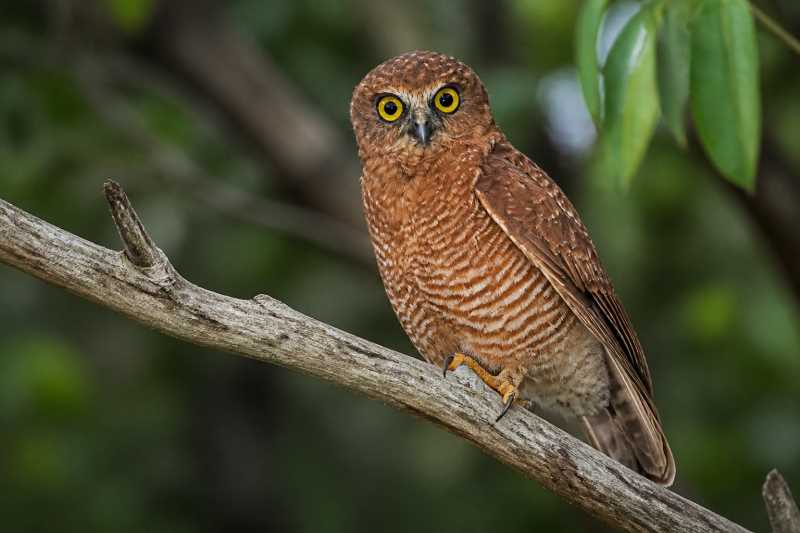
The Cinnabar Boobook is a medium-sized owl, measuring approximately 25-30 centimeters in length. Its most striking feature is its rich, reddish-brown plumage, from which it derives its name. This cinnabar hue provides excellent camouflage against the backdrop of forest foliage, aiding in its nocturnal hunting activities.
The owl’s facial disc is less pronounced than in other owl species, but it boasts large, expressive eyes that are well-adapted to low-light conditions. Its beak is short and robust, perfect for grasping and consuming prey. The Cinnabar Boobook’s wings are broad and rounded, allowing for agile flight through dense forest canopies.
Behavior and Diet
As a nocturnal predator, the Cinnabar Boobook is most active during the twilight hours of dawn and dusk. It relies on its acute hearing and keen eyesight to locate prey, which primarily consists of insects, small mammals, and occasionally small birds. The owl’s hunting strategy involves perching silently on a branch, surveying the surroundings, and swooping down with precision to capture its prey.
During the breeding season, which typically occurs from September to November, the Cinnabar Boobook engages in vocal displays and courtship rituals. Its calls, a series of soft hoots and whistles, serve not only to attract a mate but also to establish territory within the dense forest.
Conservation Status
The Cinnabar Boobook is currently classified as "Near Threatened" by the International Union for Conservation of Nature (IUCN). The primary threat to its survival is habitat loss due to logging, agriculture, and human settlement expansion. As forests are cleared, the availability of suitable nesting sites and prey diminishes, putting pressure on the population of this enigmatic owl.
Conservation efforts are underway to protect the Cinnabar Boobook and its habitat. Local and international organizations are working collaboratively to raise awareness about the importance of preserving the Solomon Islands’ unique ecosystems. These efforts include promoting sustainable land-use practices, establishing protected areas, and conducting research to better understand the needs and behaviors of the Cinnabar Boobook.
The Importance of Conservation
The preservation of the Cinnabar Boobook and its habitat is crucial not only for the survival of this particular species but also for the health of the broader ecosystem. Owls play a vital role in controlling populations of small mammals and insects, contributing to the balance of their ecological communities.
Moreover, the Cinnabar Boobook serves as an indicator species, reflecting the overall health of its environment. Protecting the owl and its habitat ensures the wellbeing of countless other species that share the same ecosystem, emphasizing the interconnectedness of nature.
Conclusion
The Cinnabar Boobook, with its striking plumage and mysterious allure, is a testament to the beauty and complexity of the natural world. As stewards of the planet, it is our responsibility to ensure the survival of such species, safeguarding their habitats for future generations. Through concerted conservation efforts and a commitment to sustainable practices, we can hope to preserve the enigmatic Cinnabar Boobook and the rich biodiversity of the Solomon Islands.
In conclusion, the Cinnabar Boobook is more than just an owl; it is a symbol of the intricate web of life that thrives in the Solomon Islands. Protecting this remarkable species and its habitat is a step toward preserving the natural heritage of our planet.
Related posts