The Andean Ibis (Theristicus branickii): An Enigmatic Avian Resident of the High Andes
The Andean Ibis, scientifically known as Theristicus branickii, is a remarkable bird that graces the high-altitude landscapes of the Andean mountain range. With its distinctive appearance and unique adaptations, this species has captured the interest of ornithologists and bird enthusiasts alike. This article delves into the fascinating world of the Andean Ibis, exploring its habitat, behavior, conservation status, and the challenges it faces in the wild.
Habitat and Distribution
The Andean Ibis is primarily found in the high Andes, a mountain range that extends across seven South American countries: Venezuela, Colombia, Ecuador, Peru, Bolivia, Chile, and Argentina. This bird thrives in high-altitude environments, typically ranging from 3,000 to 5,000 meters above sea level. Its preferred habitats include puna grasslands, wetlands, and high-altitude bofedales, which are peat bogs that provide essential feeding and nesting grounds.
The distribution of the Andean Ibis is relatively fragmented, with populations scattered across the highlands. This patchy distribution is largely due to the specific ecological requirements of the species, as it relies heavily on wetland areas for foraging. The bird’s presence in these isolated habitats highlights its remarkable adaptability to extreme environmental conditions.
Physical Characteristics
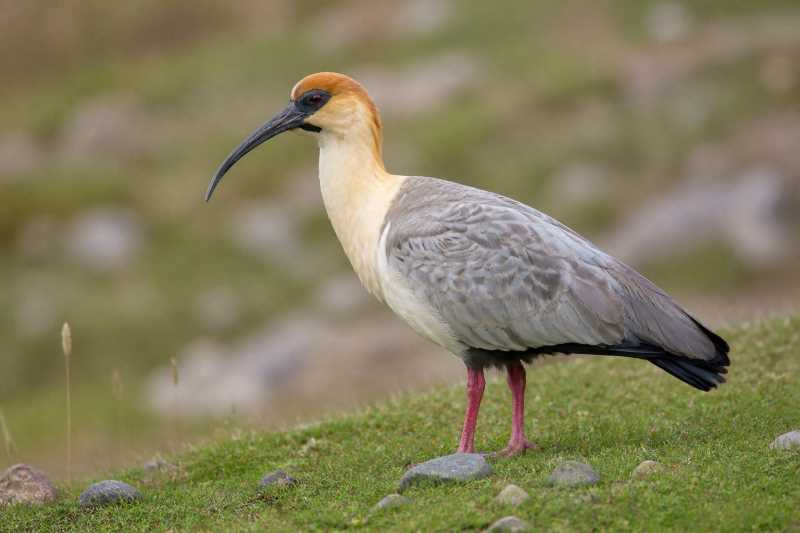
The Andean Ibis is a large bird, measuring approximately 75 to 85 centimeters in length, with a wingspan of 120 to 130 centimeters. Its plumage is predominantly grey, with a striking contrast of black on the wings and tail. One of its most distinguishing features is its long, curved bill, which is perfectly adapted for probing the soft soils of its wetland habitat in search of food.
The ibis’s legs are long and sturdy, allowing it to wade through water and traverse marshy terrains with ease. Its eyes are a vivid red, adding a splash of color to its otherwise muted palette. The combination of these physical attributes makes the Andean Ibis a distinctive and easily recognizable species among the avian community of the Andes.
Behavior and Diet
The Andean Ibis is a diurnal bird, meaning it is active during the day. It is often observed foraging in small groups, using its long bill to probe the mud and shallow waters for invertebrates, small amphibians, and other aquatic prey. This opportunistic feeding strategy allows the ibis to take advantage of the diverse food resources available in its habitat.
During the breeding season, which generally occurs from November to March, the Andean Ibis becomes more territorial. Pairs establish nesting sites in secluded areas, often on cliffs or in dense grasslands, where they can rear their young away from potential predators. The nest is constructed from a mix of grass, reeds, and mud, and the female typically lays two to three eggs.
Conservation Status and Threats
The Andean Ibis is currently classified as Near Threatened on the IUCN Red List of Threatened Species. This status reflects the ongoing challenges the species faces, including habitat loss and degradation, primarily due to agricultural expansion, mining activities, and infrastructure development in the Andes.
Wetland drainage and pollution pose significant threats to the ibis’s habitat, as they lead to the loss of essential feeding and breeding grounds. Additionally, climate change is altering the hydrology and ecosystem dynamics of the high Andes, further threatening the survival of the Andean Ibis.
Conservation Efforts
Efforts to conserve the Andean Ibis are underway, focusing on habitat protection and restoration. Conservation organizations and local communities are working together to establish protected areas and implement sustainable land-use practices that benefit the ibis and the broader ecosystem.
Public awareness campaigns are also crucial in promoting the importance of preserving the Andean Ibis and its habitat. By engaging local communities and stakeholders, conservationists aim to foster a sense of stewardship and encourage practices that minimize human impact on these fragile environments.
Conclusion
The Andean Ibis is a symbol of the unique biodiversity found in the high Andes. Its presence is a testament to the resilience of life in one of the world’s most challenging environments. However, the future of this remarkable bird depends on concerted efforts to mitigate the threats it faces and ensure the protection of its natural habitat.
By understanding and appreciating the ecological role of the Andean Ibis, we can contribute to its conservation and the preservation of the rich avian diversity that makes the Andes a natural wonder. As we continue to explore and study this enigmatic species, we gain valuable insights into the complex interplay between wildlife and their environments, underscoring the importance of safeguarding our planet’s natural heritage for future generations.
Related posts