The Akekee (Loxops caeruleirostris): A Jewel of Hawaiian Avifauna
Introduction
Nestled within the lush, verdant forests of Hawaii lies one of the planet’s most captivating avian species, the Akekee (Loxops caeruleirostris). This small, vibrant bird, a member of the Hawaiian honeycreeper family, is an emblem of the islands’ unique biodiversity. Unfortunately, like many of its relatives, the Akekee faces numerous threats to its survival. This article delves into the ecology, behavior, and conservation efforts surrounding this remarkable species.
Description and Identification
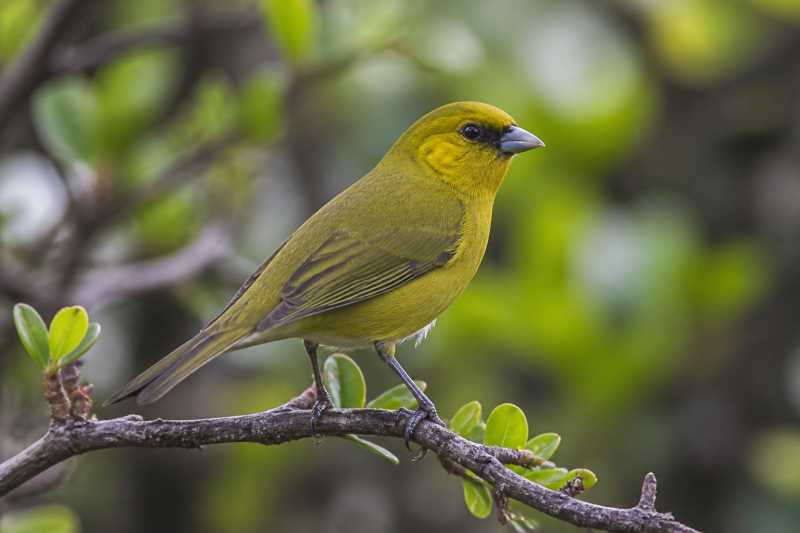
The Akekee is a small bird, measuring approximately 4.5 inches in length, with a distinctive appearance that makes it easily identifiable. Its plumage is predominantly a bright olive-green, complemented by striking yellow underparts. A characteristic feature of the Akekee is its slightly curved bill, adapted to its feeding habits. The males and females of the species exhibit similar coloration, although the females may appear slightly duller.
The Akekee’s eyes are framed by a subtle blue ring, lending it an enchanting appearance. The bird’s song is a series of high-pitched, melodious notes, often heard echoing through the forest canopy.
Habitat and Distribution
The Akekee is endemic to the island of Kauai, one of the oldest and northernmost islands in the Hawaiian archipelago. It primarily inhabits the high-elevation forests of the Alakai Plateau, a region known for its dense montane rainforest. These forests are characterized by a rich diversity of native plant species, providing essential resources and habitat for the Akekee.
Due to its limited geographical range, the Akekee is highly susceptible to changes in its environment. The fragmentation and degradation of forest habitats pose significant threats to its survival, exacerbated by the impacts of climate change and invasive species.
Diet and Feeding Behavior
The Akekee primarily feeds on insects and arthropods, which it gleans from the foliage of native trees such as ohia lehua (Metrosideros polymorpha) and koa (Acacia koa). This insectivorous diet is supplemented by the consumption of nectar and fruits, particularly during periods of insect scarcity.
Its specialized bill allows the Akekee to pry open leaf buds and flowers, accessing hidden insects and nectar. This feeding behavior not only sustains the bird but also plays a vital role in the pollination of certain native plant species, highlighting the interconnectedness of the island’s ecosystem.
Breeding and Reproduction
The breeding season of the Akekee typically spans from March to June. During this period, males engage in elaborate courtship displays, characterized by singing and aerial acrobatics, to attract mates. Once paired, the female constructs a small cup-shaped nest using twigs, moss, and lichen, usually situated high in the canopy.
Clutch size generally consists of two to three eggs, which are incubated solely by the female for about two weeks. Upon hatching, both parents participate in feeding and caring for the chicks until they fledge, approximately three weeks later.
Conservation Status and Efforts
The Akekee is classified as Critically Endangered by the International Union for Conservation of Nature (IUCN), primarily due to its small and declining population. Habitat destruction, invasive species, and diseases such as avian malaria pose significant threats to its survival.
Conservation efforts are underway to safeguard the future of the Akekee. Organizations and local authorities are working to restore native habitats, control invasive species, and implement captive breeding programs. Public awareness campaigns aim to engage local communities in conservation initiatives, fostering a collective responsibility for preserving Hawaii’s unique avian heritage.
Conclusion
The Akekee (Loxops caeruleirostris) is more than just a bird; it is a symbol of Hawaii’s rich natural heritage and a reminder of the delicate balance that sustains island ecosystems. As we continue to confront the challenges of biodiversity loss and environmental degradation, the story of the Akekee serves as a call to action to protect and conserve the natural wonders of our world.
Through collaborative conservation efforts, there is hope that future generations will continue to hear the melodious song of the Akekee echoing through the forests of Kauai. It is a testament to nature’s resilience and a beacon of hope for the ongoing battle to preserve our planet’s precious biodiversity.
Related posts