The Aquatic Warbler: A Beacon of Conservation Efforts
The Aquatic Warbler (Acrocephalus paludicola) is a small, delicate songbird that has garnered significant attention from ornithologists and conservationists alike. As the only globally threatened passerine bird found in mainland Europe, it represents both a symbol of biodiversity under threat and a beacon of hope for conservation success stories.
Description and Habitat
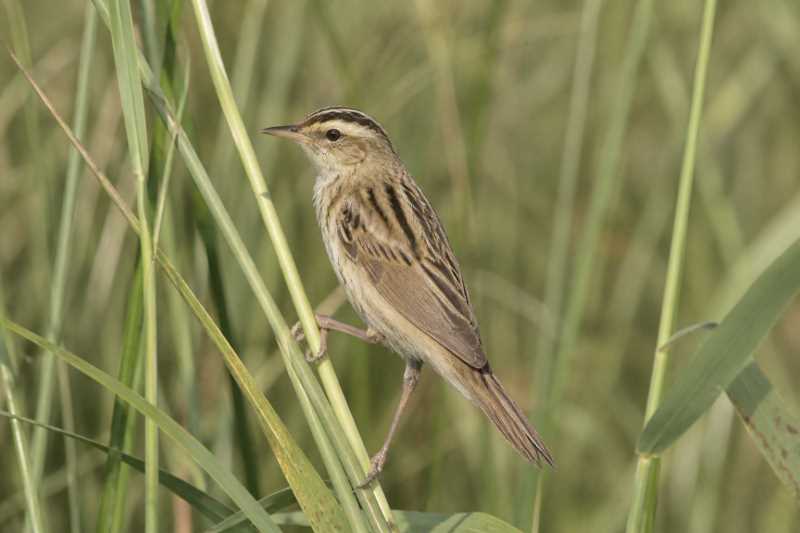
Measuring approximately 13 centimeters in length, the Aquatic Warbler is distinguished by its straw-colored plumage adorned with dark streaks. This cryptic coloration provides camouflage in its preferred wetland habitats, where it weaves its nests among sedges and reeds. Found primarily in the fen mires and sedge marshes of Eastern Europe, the bird’s range once spanned across much of central and eastern Europe, but has now been significantly reduced.
The primary breeding grounds for the Aquatic Warbler are located in the Polesian region, straddling Belarus and Ukraine, with smaller populations in Poland, Hungary, and Lithuania. These wetlands provide the ideal conditions for the bird’s breeding and feeding habits, which rely heavily on the presence of invertebrates found in these semi-aquatic environments.
Migration Patterns
The Aquatic Warbler is a long-distance migrant, undertaking a perilous journey to its wintering grounds in sub-Saharan Africa each year. This migration covers thousands of kilometers, with the birds crossing diverse landscapes and numerous international borders. This extensive journey underscores the need for international cooperation in conservation efforts, as the bird relies on a network of stopover sites that provide crucial resting and feeding opportunities along its migratory route.
Conservation Status
Classified as Vulnerable on the IUCN Red List, the Aquatic Warbler faces numerous threats that have led to a steep decline in its population over the past century. Habitat loss due to agricultural expansion, drainage of wetlands, and changes in land management practices are among the primary threats to its survival. Additionally, climate change poses an emerging threat, altering the delicate balance of the wetlands that these birds depend on.
Concerted conservation efforts have been initiated to halt and reverse this decline. The Aquatic Warbler Conservation Team (AWCT) and various NGOs, in collaboration with government bodies, have implemented strategies aimed at habitat restoration, protection of breeding sites, and awareness campaigns to engage local communities.
Conservation Efforts and Success Stories
One of the most significant conservation successes has been the restoration of degraded wetland habitats. Projects in Belarus and Poland have focused on re-wetting drained areas, which has led to a resurgence of suitable breeding conditions for the Aquatic Warbler. These efforts have not only benefited the warblers but also the entire ecosystem, supporting a wide range of biodiversity.
In 2007, a groundbreaking international action plan was adopted under the auspices of the African-Eurasian Waterbird Agreement (AEWA), further highlighting the global commitment to conserving this species. This plan outlines specific actions required to secure the future of the Aquatic Warbler, including habitat management, research, and monitoring programs.
Community engagement has also played a pivotal role in these conservation efforts. Educating local populations about the ecological importance of the Aquatic Warbler has fostered a sense of stewardship and pride. Ecotourism initiatives have been developed, offering economic incentives for local communities to protect and maintain wetland habitats.
Future Challenges and Opportunities
Despite these successes, challenges remain. Continued habitat destruction, the threat of climate change, and limited funding for conservation projects pose ongoing risks. However, the story of the Aquatic Warbler also presents opportunities for innovation in conservation science and policy.
Advancements in technology, such as satellite tracking and genetic research, offer new avenues for understanding the bird’s migratory patterns and genetic diversity. These insights can inform more targeted conservation strategies and enhance international cooperation.
Moreover, integrating conservation efforts with broader climate change adaptation strategies can create resilient landscapes that support not only the Aquatic Warbler but also human communities that rely on these ecosystems.
Conclusion
The Aquatic Warbler serves as a poignant reminder of the fragility and resilience of nature. Its story is one of both caution and hope, illustrating the profound impact of human activity on biodiversity and the power of collaborative conservation efforts. Protecting the Aquatic Warbler requires a commitment to preserving the intricate tapestry of life found in wetland ecosystems, ensuring that future generations can witness the beauty and song of this remarkable bird.
As we look to the future, the Aquatic Warbler challenges us to reimagine our relationship with nature and to strive for a world where both humans and wildlife thrive. Through sustained conservation efforts, there is hope that this small but mighty bird will continue to grace the wetlands of Europe and beyond, symbolizing the triumph of conservation over extinction.
Related posts