The Indian Nuthatch: A Jewel of the Indian Subcontinent
The Indian Nuthatch, scientifically known as Sitta castanea, is a small passerine bird that belongs to the family Sittidae. Known for its vibrant plumage and distinct behavior, this bird is a fascinating subject for ornithologists and bird enthusiasts alike. Native to the Indian subcontinent, the Indian Nuthatch captivates observers with its unique characteristics and ecological importance.
Physical Characteristics
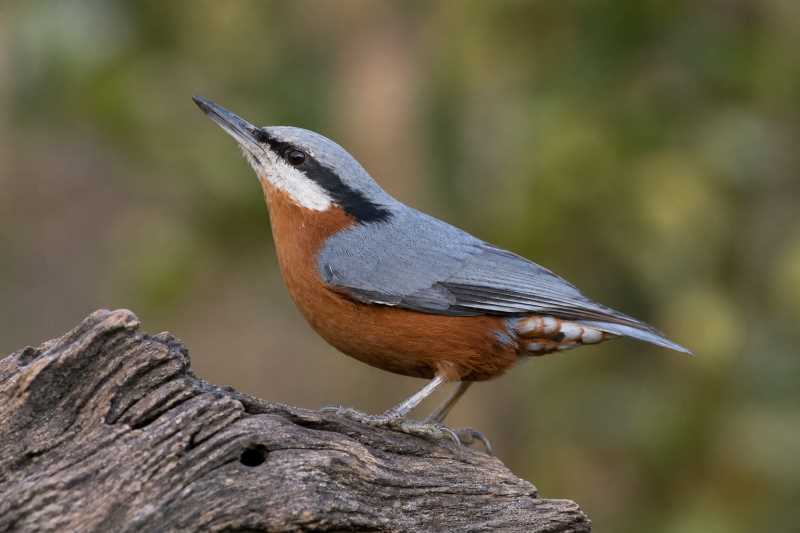
The Indian Nuthatch is a striking bird, measuring approximately 12-14 cm in length. It showcases a vibrant chestnut-colored underside, which contrasts with its slate-blue upperparts. The bird’s head is adorned with a black cap, extending down to a narrow eye line, providing a striking contrast against its white cheeks. Its strong, slightly curved bill is perfectly adapted for foraging insects and seeds.
Sexual dimorphism in Indian Nuthatches is subtle. Males typically exhibit slightly more intense coloration compared to females. Juvenile birds, on the other hand, display duller plumage, which becomes more vivid as they mature.
Habitat and Distribution
The Indian Nuthatch is predominantly found across the Indian subcontinent. Its range extends from the foothills of the Himalayas to the southern regions of India and Sri Lanka. Preferring deciduous and mixed forests, the bird is also commonly seen in gardens and wooded urban areas, where it finds ample food and nesting opportunities.
These birds are non-migratory and tend to reside within their established territories throughout the year. Their adaptability to different habitats makes them resilient to moderate environmental changes, although habitat destruction remains a significant threat.
Behavior and Diet
Indian Nuthatches are diurnal birds, most active during the early morning and late afternoon. They are known for their acrobatic foraging techniques, often seen climbing tree trunks and branches in search of food. Their strong legs and claws enable them to move nimbly, even upside down, as they probe the bark for insects and larvae.
Their diet primarily consists of insects, spiders, and other small arthropods. During the autumn and winter months, when insects are less abundant, they supplement their diet with seeds and nuts. Nuthatches are also known to store food in crevices, a behavior that aids in survival during lean periods.
Breeding and Nesting
The breeding season for Indian Nuthatches typically occurs between March and June. The nesting process is a collaborative effort between the male and female, with both participating in selecting a suitable site. Nuthatches often choose natural cavities in trees, which they line with soft materials such as feathers and plant fibers.
A typical clutch consists of 4-6 eggs, which are incubated primarily by the female for about 14 days. During this period, the male diligently supplies food to the female. Once hatched, both parents share the responsibility of feeding the chicks, which fledge after approximately 18-21 days.
Conservation Status
Currently, the Indian Nuthatch is classified as Least Concern by the International Union for Conservation of Nature (IUCN). Despite this status, habitat loss due to deforestation and urbanization poses ongoing threats to their population. Conservation efforts focused on preserving natural habitats and promoting biodiversity are crucial to ensuring the survival of this species.
Cultural and Ecological Significance
The Indian Nuthatch holds a special place in the cultural fabric of the regions it inhabits. Its presence is often considered a sign of a healthy ecosystem, as it plays a vital role in controlling insect populations. Furthermore, its captivating behavior and vibrant appearance make it a favorite among birdwatchers and nature photographers.
In conclusion, the Indian Nuthatch is not just a bird of aesthetic appeal but also an integral component of its ecosystem. Protecting this species and its habitat fosters biodiversity and maintains ecological balance. As urbanization continues to encroach upon natural landscapes, awareness and conservation initiatives become imperative to safeguard the future of the Indian Nuthatch and countless other species sharing its habitat.
For those interested in observing the Indian Nuthatch, various national parks and wildlife reserves across India offer excellent opportunities to witness these birds in their natural environment. Through responsible ecotourism and a commitment to conservation, we can ensure that future generations can continue to admire the beauty and ecological significance of this remarkable bird.
Related posts